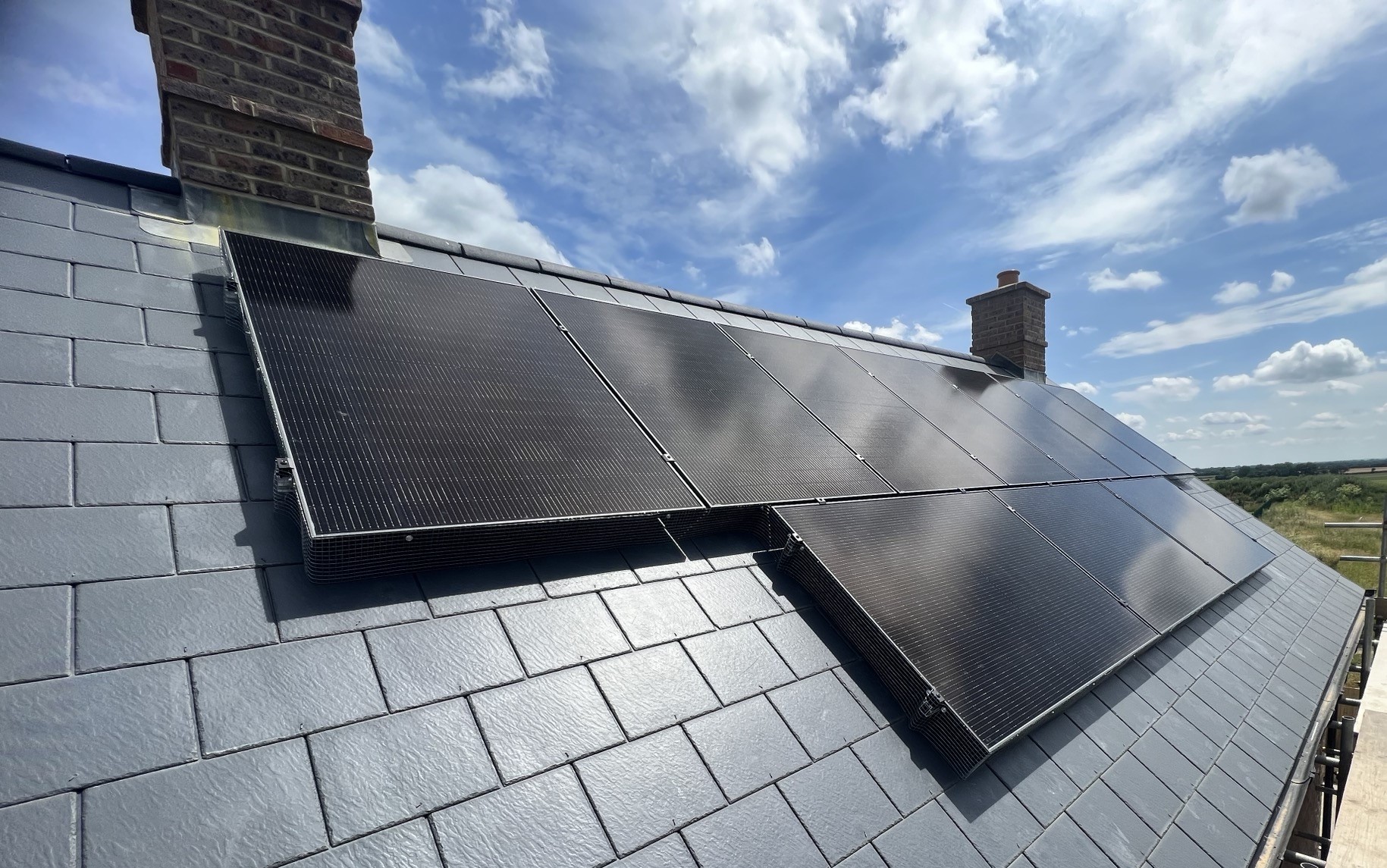
What To Know Before Installing Solar Panels
Investing in solar panels for your home or business is a long term decision that affects your energy costs, property value and environmental impact. However, choosing the right system involves far more than simply selecting a panel brand.
This comprehensive buyer’s guide from SolarTherm UK outlines everything you need to consider before installing a solar PV system – from system sizing and roof suitability to battery storage, grants and installer credentials.
How Do Solar Panels Work?
Solar panels generate electricity using the photovoltaic (PV) effect. Each panel contains silicon based solar cells. When daylight hits these cells, electrons are activated, producing direct current (DC) electricity. An inverter then converts this into usable alternating current (AC), which powers your lights, appliances and devices.
Surplus electricity can either be exported to the grid for payment under the Smart Export Guarantee (SEG), stored in solar batteries for use during peak evening rates or used to charge electric vehicles and heat your hot water.
A properly designed system by a professional installer like SolarTherm UK allows you to reduce grid reliance and protect yourself against rising energy costs.
Why Are You Considering Solar Panels?
Clarifying your objective helps determine the correct system size and configuration. Most UK homeowners install solar panels to achieve one or more of the following:
Lower Electricity Bills
Generating your own electricity reduces imported grid energy, especially during peak daytime hours. Every unit of your own electricity you use in your home is an unit of electricity you don’t need to purchase from expensive energy suppliers.
Protection from Rising Energy Prices
Energy markets remain volatile due to global political unrest and rising import charges. Solar provides predictable long term energy generation.
Reduce Carbon Emissions
Solar is a zero emission energy source at the point of generation, supporting the UK’s Net Zero targets.
Increase Property Appeal
Energy efficient homes with renewable technology often attract strong buyer interest. Recent studies have shown that a home with solar panels can attract offers up to 14% higher than homes without.
Improve Energy Independence
Pairing solar with battery storage gives greater control over when and how you use electricity.
Types of Solar Panels Explained
Understanding panel technology helps you choose the right balance between cost, efficiency and aesthetics.
Monocrystalline Solar Panels
- Efficiency: typically 18-25%
- Appearance: all black finish
- Best for: limited roof space
These are the most efficient and space effective panels. They are the most common used solar panels in modern residential installations.
Polycrystalline Solar Panels
- Efficiency: Around 15-17%
- Appearance: blue
- Best for: budget installations as lower upfront cost
They require slightly more roof space for the same output compared to monocrystalline panels.
Thin Film Solar Panels
- Lightweight and flexible
- Lower efficiency
- Common in commercial or large scale applications
Less common for residential installations due to space requirements.
Do Solar Panels Need Direct Sunlight?
Solar panels generate electricity from daylight, no just direct sunshine. Even on typical cloudy South East days, panels continue producing energy – although output is reduced compared to bright sunny conditions. Interestingly, cooler temperatures can improve panel efficiency compared to extreme heat.
Roof Considerations Before Installing Solar Panels
Your roof plays a critical role in system performance.
Orientation
South-facing roofs offer maximum yields, that being said, east- and west-facing can still perform well, generating a substantial portion of daily energy use. North-facing roofs are generally less suitable.
Pitch
The optimal roof angle is between 30-40 degrees, though systems can perform effectively outside of this range. The majority of UK domestic properties have a roof pitch that is optimal for solar panels.
Roof Condition
Solar panels last a minimum of 30 years, with most modern panels going on to generate power efficiently for 40 years or more, so it is imperative that your roof is in good condition before installation. Have any repairs that need carrying out completed before your solar PV system is installed.
Shading
Chimneys, dormers, trees and neighbouring buildings can cast shadows onto your roof, reducing output. Installers will assess this during a site survey and make suggestions to alleviate the impact of shading if required.
Roof Type
Solar panels can be installed on most types of roof – tile, slate, metal, flat roofs. The only roofs solar panels cannot be installed in under any circumstances are thatched roofs and glass roofs.
Alternative Solar Panel Installation Locations
Solar panels are not limited to pitched roofs. Panels can be installed on flat roofs using mounting systems that are angled to optimise generation. If you have limited roof space or your home is a listed building you can opt to have your solar panels installed on available ground space. These are installed on frames and angled at the perfect pitch and orientation for maximum yield.
How Many Solar Panels Do I Need?
System sizing depends on annual electricity consumption, roof size and orientation, panel efficiency and future goals. A professional installer will carry out a full assessment of your needs and property before designing a bespoke system that is tailored for you. As a guide, a typical 3 bedroom home requires a 3.5-5kWp system, equating to 8014 panels.
What Is Solar Battery Storage?
Battery storage allows you to use more of the electricity your system generates. During the day, surplus energy charges the battery. In the evening, stored energy powers your home instead of importing from the grid.
Modern battery systems integrate inverter technology and can significantly increase self-consumption rates.
Battery storage is optional, but can be beneficial if you are home in the evenings, want backup capability and aim to maximise independence from the grid.
How Much Do Solar Panels Cost in the South East?
Costs vary depending on system size, roof complexity, equipment selection and installer. Typical pricing of a 4kW system is £5,500-£7,500, with an additional £2,000-£5,000 for battery storage. Until April 2027, residential solar installation benefit from 0% VAT.
How Much Can You Save Per Year?
Your savings depend on electricity usage and patterns, export tariff rates, whether you have battery storage and your import tariff. Most South East homeowners see a reduction of up to 80% on their annual energy bill. Further benefits are seen through export payments for surplus that is sold back to the grid.
Solar Grants and Incentives
In 2027, the previous ECO4 scheme will be replaced with the Warm Homes Plan, and while full details are still unavailable it is believed the focus of this will be renewable energy such as solar panels and battery storage, with low interest Green Energy loans as the focus, rather than grants and incentives.
Do Solar Panels Require Maintenance?
While solar PV systems are low maintenance, they are not no maintenance. A regular visual check of your system will help keep your system working optimally. Check your panels for heavy dirt and debris and organise a professional clean every couple of years. Wiring and electrical visual checks need to be carried out looking for loose wiring, connectors becoming detached and any signs of damage to the electrical system. A system test every 5 years will ensure your system remains compliant, safe and in full working order.
How Long Do Solar Panels Last?
Modern solar panels last a minimum of 30 years, with many continuing to generate electricity efficiently for 40 years or more. Panels gradually degrade over time usually around 0.3-0.5% per year. Inverters generally require replacing after around 10-15 years, depending on the brand.
Ready to Explore Solar?
Installing solar panels is a strategic investment in long term energy stability and sustainability. The key is designing the right system for your property and goals.
If you’re considering solar PV installation in Essex, Kent, Suffolk, Hertfordshire or the wider South East and East Anglia, contact SolarTherm UK today for a free, no obligation quote and design, tailored for your property, usage and future energy needs. No hard sell, just honest, expert advice – and the time to make an informed decision.
Your home. Your energy. Your future.
FAQs
How do I know if my home is suitable for solar panels?
A site survey assesses roof condition, orientation, shading and electrical setup.
How long does installation take?
Most residential installations are completed within 1–2 days.
Are solar panels worth it in the UK climate?
Yes. Solar systems operate efficiently in UK daylight conditions year-round.
Is battery storage necessary?
No, but it increases self-consumption and energy independence.