Every year, World Sustainability Day encourages us to think about the choices we make today and how they will affect future generations. From reducing waste and protecting natural resources to improving energy efficiency, sustainability starts with practical changes that can make a meaningful difference.
One of the most effective ways homeowners and businesses can take action is by rethinking how they generate and use electricity. With energy costs remaining a concern for households and organisations across the UK, solar panels offer an opportunity to generate renewable electricity, reduce reliance on imported power and take a step towards a more sustainable future.
At SolarTherm UK, we help homeowners, businesses and organisations across Essex, Kent, Suffolk, Hertfordshire and the wider South East and East Anglia make informed decisions about solar energy. This World Sustainability Day, we explore how solar panel installation can support a greener future, the benefits of solar PV systems and the practical steps you can take to make your property more energy efficient.
What Is World Sustainability Day?
World Sustainability Day takes place on the last Wednesday of October and highlights the importance of building systems that support people, communities and the natural environment.
Sustainability is about more than reducing carbon emissions. It also means using resources responsibly, improving energy efficiency, supporting resilient communities and making decisions that remain beneficial over the long term.
Energy plays an important role in this. Traditional electricity generation can involve the burning of fossil fuels, which releases greenhouse gases. Moving towards renewable energy sources, including solar and wind power, can help reduce dependence on these fuels.
For homeowners and businesses, sustainability does not have to mean making dramatic lifestyle changes overnight. Improving insulation, reducing unnecessary electricity consumption and investing in renewable technologies are all practical steps towards a more energy efficient property.
Solar panels are one way to turn these ambitions into action. By generating electricity directly from daylight, a solar PV system allows you to produce some of the energy you need on-site, rather than relying entirely on electricity supplied through the grid.
How Do Solar Panels Support Sustainability?
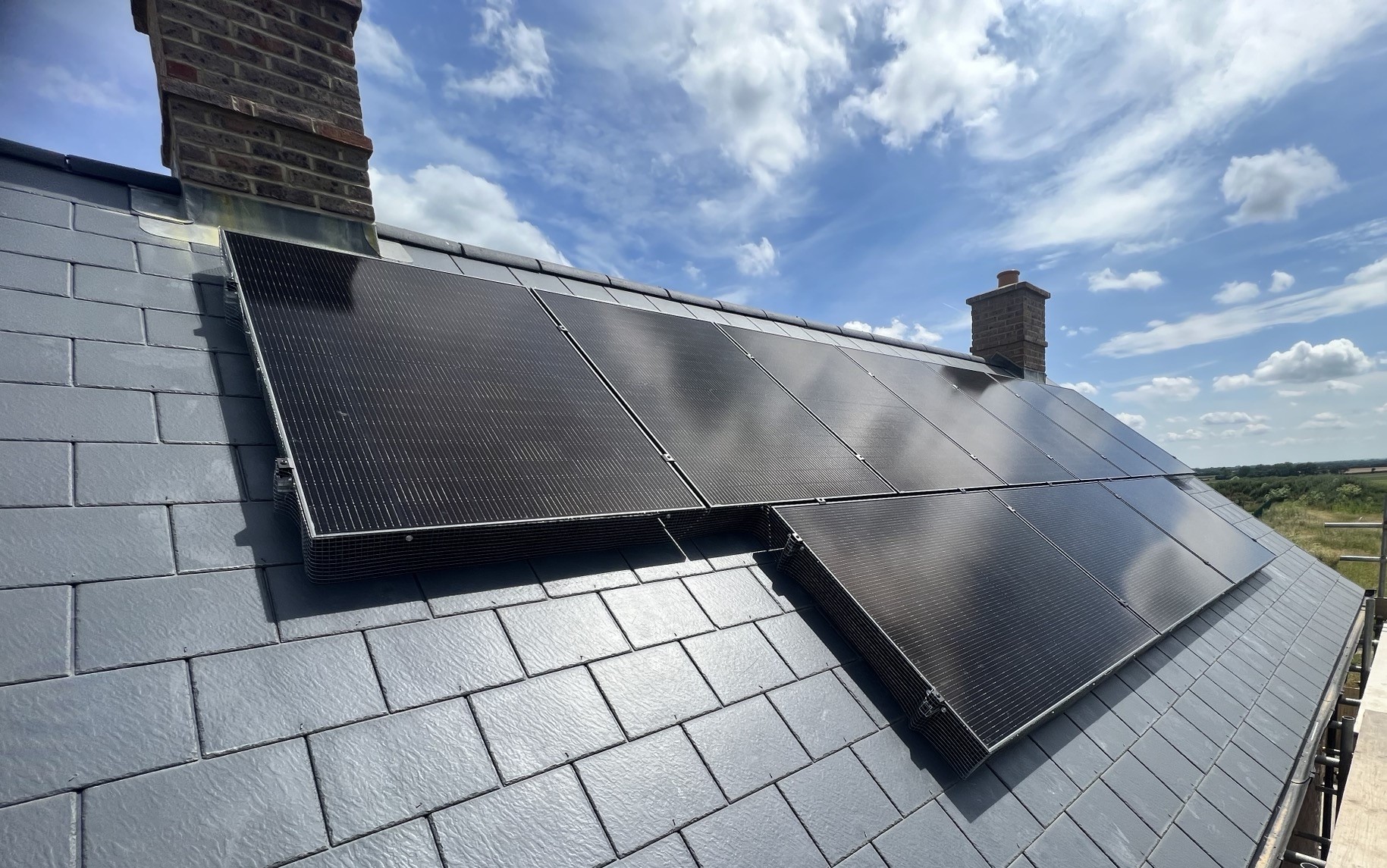
Solar photovoltaic (PV) panels convert daylight into electricity that can be used to power everyday appliances, lighting, heating controls and other electrical equipment.
Unlike electricity generated by burning fossil fuels, solar panels produce electricity without direct emissions during operating. Although manufacturing, transporting and installing solar equipment has an environmental footprint, solar panels can help reduce a property’s overall reliance on higher-carbon electricity over their working life.
Here are some of the main ways solar installation can contribute to a more sustainable property.
1. Generate Renewable Electricity at Home
Every property uses energy, whether for cooking, washing clothes, working from home, charging devices or running electrical appliances. Solar panels allow homeowners to generate a proportion of that electricity using an abundant natural resource: daylight.
The amount of electricity a system produces depends on several factors including:
- The number and efficiency of the solar panels installed
- Roof orientation, pitch and shading
- Local weather conditions and seasonal daylight hours
- The quality and configuration of the inverter and other system components
- The overall design and installation of the solar PV system
A professionally designed solar installation takes these variables into account to provide a realistic estimate of annual electricity generation. Solar panels can generate electricity throughout the year in the UK, including during winter. However, output is typically higher during spring and summer, when daylight hours are longer and solar irradiance is greater.
2. Reduce Reliance on Grid Electricity
One of the key benefits of installing solar panels is the opportunity to use your own generated electricity instead of purchasing as much from your energy supplier. For example, when your panels generate electricity during the day, that power can be used by appliances operating in your home. The more of your solar generation you can use directly, the less electricity you may need to buy from the grid.
Your potential savings depend on your electricity consumption, system size, installation costs, energy tariff and how much of your generation you use yourself.
Households that can run appliances during daylight hours may be particularly well placed to benefit. Timers, smart energy controls and appropriate battery storage can help households make better use of the electricity their solar panels produce.
Solar panels do not eliminate electricity bills entirely in every case. You may still need to import electricity when your system is not generating enough to meet demand, particularly overnight or during periods of low solar output.
Nevertheless, a correctly designed solar PV system can help reduce grid electricity consumption and improve your property’s energy efficiency.
3. Help Reduce Your Household’s Carbon Footprint
Reducing greenhouse gas emissions is an important part of tackling climate change. Generating renewable electricity on your roof can reduce the amount of electricity you need to purchase. The resulting emissions reduction depends on how much electricity your system generates and uses, and the carbon intensity of the electricity it displaces.
This means the environmental benefits of solar panels are closely linked to system performance and how effectively the electricity is used. Combining solar panels with energy-efficient appliances, good insulation and sensible energy management can further support a lower-carbon home.
For businesses, the same principles apply, just on a larger scale. Commercial solar installation on suitable offices, warehouses, factories and other buildings can generate renewable electricity on-site, helping organisations manage their energy use while supporting wider environmental objectives.
4. Make Better use of the Solar Energy with Battery Storage
Solar panels generate electricity during daylight hours, but many housheolds use a significant proportion of their electricity in the evening. A solar battery can help bridge this gap.
Solar battery storage allows surplus electricity generated during the day to be stored for later use, rather than exporting all of it to the grid. This can increase the proportion of your solar generation that you use within your own property.
A typical solar and battery system can be configured to:
- Power household appliances using solar electricity
- Store surplus generation for evening use
- Reduce electricity imports when stored energy is available
- Work alongside suitable smart tariffs, depending on the equipment and system configuration
- Support an electric vehicle charging strategy when the system is designed appropriately
Battery storage is not essential for every solar installation. Its suitability depends on your electricity consumption patterns, available budget, battery capacity, tariffs and the expected value of using stored electricity.
At SolarTherm UK, we help customers assess whether adding a battery to their solar panel installation makes sense for their individual circumstances.
5. Support More Sustainable Businesses and Communities
Sustainability is not just a residential issue. Businesses, schools, community facilities and public buildings all consume electricity and many have suitable roof space for solar PV.
A commercial solar installation can help an organisation generate electricity on-site, reduce exposure to some grid electricity costs and demonstrate a practical commitment to environmental responsibility.
For organisations with substantial daytime electricity demand, solar generation can be particularly useful because electricity is often consumed while the panels are producing power.
Solar PV can be considered for a wide range of commercial properties, including:
- Offices and business premises
- Warehouses and distribution centres
- Manufacturing facilities and factories
- Schools, colleges and educational buildings
- Leisure facilities and community buildings
- Agricultural and other suitable commercial properties
The right system depends on the building, available roof space, electrical infrastructure, energy demand and investment objectives.
For some organisations, purchasing a system outright may be appropriate. Others may wish to explore alternative funding arrangements, subject to eligibility and commercial terms.
Investing in solar energy can therefore form part of a wider sustainability strategy, alongside energy efficiency, responsible resource use and emissions reporting.
Is Solar Panel Installation Worth It in the South East?
Solar panels are increasingly considered by homeowners who want to reduce electricity costs and improve their property’s energy efficiency. However, whether a solar installation represents good value depends on the individual property and household.
Before installing solar panels, it is important to consider the following factors.
Your Roof and Available Space
A suitable roof needs enough usable space for the proposed system and an appropriate mounting arrangement. Orientation, pitch, shading, roof condition and structural considerations all influence the design.
South-facing roofs can offer strong annual generation potential, but east- and west-facing roofs can also work well. A professional assessment can help determine the most suitable layout for your property.
Your Electricity Consumption
Your electricity usage is just as important as the number of panels installed. A household with higher daytime electricity demand may use a greater proportion of its solar generation directly. A household that is usually empty during the day may benefit from reviewing appliance schedules, smart controls or battery storage.
The aim is to design a system around your actual energy requirements, rather than simply installing as many panels as possible.
Installation Costs and Expected Savings
The cost of solar panel installation varies according to system size, panel specification, inverter selection, roof access, scaffolding, electrical requirements and whether battery storage is included.
When comparing quotations, look beyond the headline price. Review the estimated annual generation, expected self-consumption, export assumptions, warranties, equipment specifications and any ongoing costs.
Savings estimates should be based on realistic assumptions about your electricity usage and tariff. A longer-term financial assessment can help you understand the potential payback period, although future energy prices and actual system performance will affect the outcome.
Exporting Surplus Electricity
When your solar panels generate more electricity than your property needs, surplus electricity may be exported to the grid. Under the Smart Export Guarantee (SEG), eligible generators can receive payments for exported electricity through participating licensed electricity suppliers. Tariffs and eligibility conditions vary, so it is worth checking the available options when planning your installation.
An MCS-certified installation can help meet the installation certification requirements commonly associated with SEG eligibility, although the supplier’s own application conditions also apply.
Export payments can contribute to the overall financial case for solar, but they should be assessed alongside the value of using electricity within your property.
Choosing a Solar Installer: Why Experience and Accreditation Matter
Solar panels are a long-term investment, so choosing the right installer is an important part of the process.
The equipment matters, but so do the system design, electrical work, installation quality, commissioning, documentation and aftercare. A poorly designed system may fail to make the best use of available roof space or may deliver less electricity than expected.
When comparing solar panel installers, look for clear quotations, realistic performance estimates, appropriate certification and evidence of relevant experience.
At SolarTherm UK, our approach is built around professional installation standards and helping customers understand the options available to them.
Our credentials include:
- MCS Certified Contractor: demonstrating that we work within recognised standards for renewable energy installations.
- NICEIC Certified: supporting confidence in our electrical installation competence and standards.
- EPVS Gold Standard Member: reflecting our commitment to transparent, appropriately calculated performance and financial estimates.
- HIES Accredited Member: providing an additional layer of consumer protection within the renewable energy sector.
These credentials are part of our commitment to quality, accountability and informed customer decisions.
We also provide the relevant installation documentation for each project, as applicable, which may include MCS certification, electrical certificates and network application documentation where required.
A reputable installer should explain the proposed system, expected performance, relevant approvals, warranties and any limitations before you commit.
Making Your Property More Sustainable This World Sustainability Day
Installing solar panels is one practical step towards reducing your reliance on grid electricity, but it is not the only way to improve a property’s environmental performance.
You can complement a solar installation with other measures, such as:
- Improving loft and wall insulation where appropriate
- Replacing inefficient lighting with LED alternatives
- Using energy-efficient appliances
- Running suitable appliances during periods of solar generation
- Reviewing your electricity tariff and energy consumption
- Considering battery storage or electric vehicle charging where suitable
The best approach is to consider how these measure work together. A well-insulated property with efficient appliances and a correctly designed solar PV system can make better use of the energy it consumes.
For businesses, monitoring energy use and assessing the suitability of roof-mounted solar can be useful starting points for a wider decarbonisation plan.
Sustainability is about making informed decisions that deliver lasting value for people and the environment. Every property is different, which is why an individual assessment is important before deciding which improvements are right for you.
Take the Next Step Towards a More Sustainable Future with SolarTherm UK
This World Sustainability Day, consider what your home or business could achieve by generating its own renewable electricity.
At SolarTherm UK, we specialise in solar panel installation and battery storage for residential and commercial properties across Essex, Kent, Suffolk, Hertfordshire and the wider South East and East Anglia.
With more than 15 years of experience and recognised industry accreditations, we design solar PV systems around your property, electricity consumption and individual requirements.
Whether you are considering solar panels for the first time, exploring battery storage or looking for a renewable energy solution for your business, our team can help you understand the options, expected performance and potential benefits.
Ready to Explore Solar Panel Installation for Your Property?
Contact SolarTherm UK today for a free, no obligation quote and design, tailored to your property, usage and future energy needs. No hard sell, just honest, expert advice – and the time you need to make an informed decision.
Your home. Your energy. Your future.
Frequently Asked Questions
Solar panels generate electricity from daylight without producing direct greenhouse gas emissions during operation. By generating renewable electricity on-site, they can reduce reliance on grid electricity and help lower a property’s carbon footprint. The overall environmental benefit depends on the system’s lifetime generation, manufacturing footprint and the electricity it displaces.
Solar panels can be a worthwhile investment for UK homeowners and businesses, helping reduce electricity purchases and potentially generate income from surplus electricity exports. The financial benefits depend on installation costs, roof suitability, annual electricity generation, energy consumption patterns and available electricity tariffs. A professional solar assessment can help establish whether a system is suitable for your property.
Yes. Solar panels generate electricity from daylight, not just direct sunshine, so they can still produce electricity on cloudy days and during winter. However, generation is generally lower when daylight hours are shorter or light levels are reduced. A well-designed solar PV system takes local conditions and seasonal variations into account.
Solar panels can reduce electricity bills by allowing you to use electricity generated on your property instead of buying as much from your supplier. Your potential savings depend on system size, electricity consumption, the proportion of solar generation you use directly and your energy tariff. Battery storage may help you use more of your solar electricity outside daylight hours.
No. Solar panels can operate without a battery, supplying electricity to your property when they generate it. A solar battery stores surplus generation for later use, which may increase self-consumption and reduce electricity imports during the evening. Whether a battery is worthwhile depends on your household’s energy usage, budget and available tariffs.
Look for an installer with relevant experience, appropriate industry certifications, transparent quotations and clear information about system performance, warranties and aftercare. Check that the proposed system suits your property and electricity needs, and ask what installation documentation will be provided. MCS certification is an important consideration when comparing renewable energy installers and may also be relevant to eligibility for certain export tariffs.