With energy prices continuing to fluctuate across the UK, more homeowners in the South East are turning to solar energy as a reliable, long term solution. But one of the most common questions we hear at SolarTherm UK is simple:
“How do solar panels work?”
This guide breaks it down clearly – without jargon – while giving you the technical understanding needed to make an informed decision.
What Are Solar Panels?
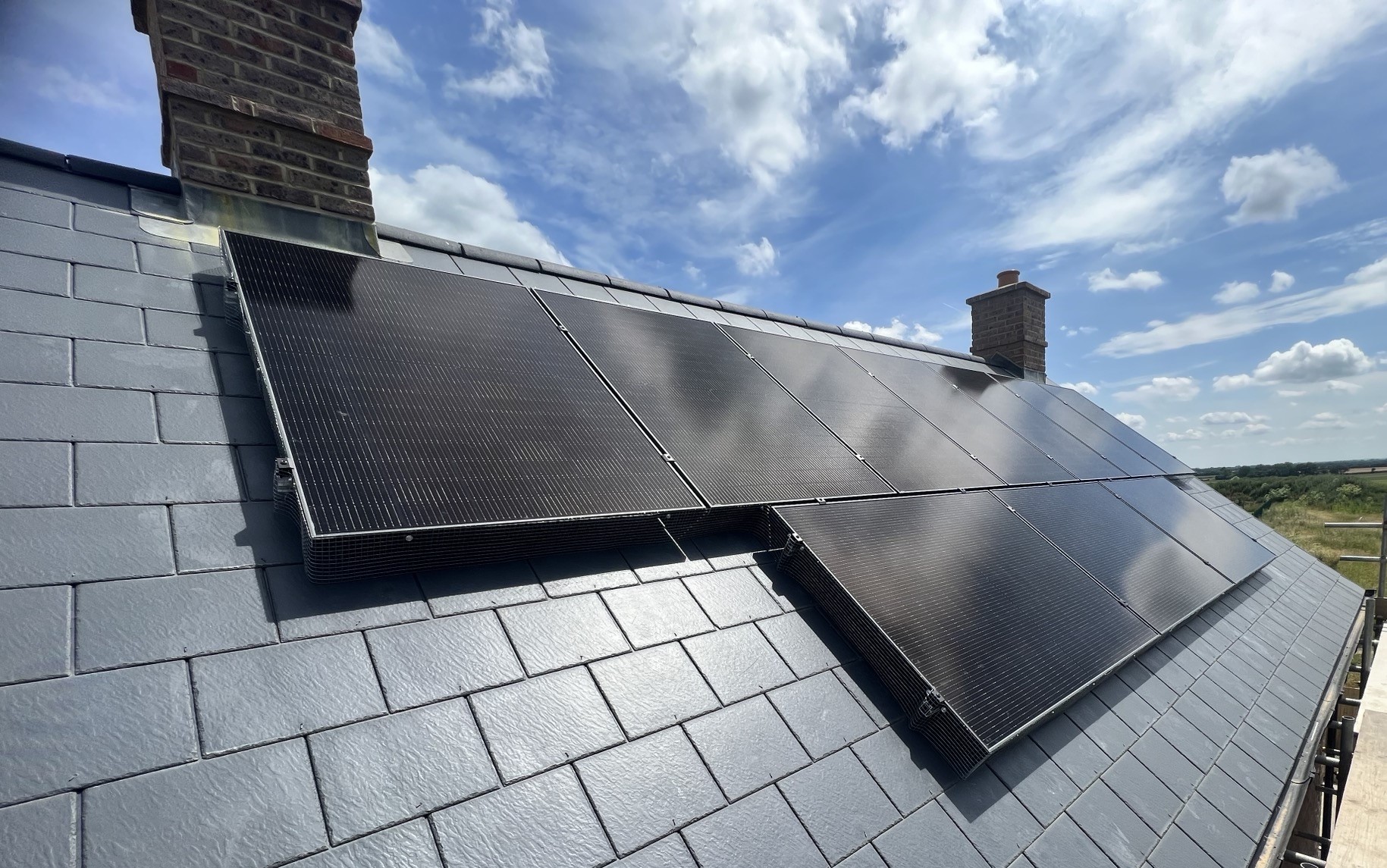
Solar panels, also known as photovoltaic (PV) panels, convert sunlight into electricity. They are typically installed on your roof and work throughout the year – even on cloudy days common in the South East.
Each panel is made up of photovoltaic cells, usually composed of silicon, a semiconductor material.
How Solar Panels Generate Electricity
At a technical level, solar panels work through the photovoltaic effect:
- Sunlight hits the panels: daylight (not just direct sun) reaches your solar panels
- Photons excite electrons: light particles (photons) knock electrons loose within the silicon cells
- Electric current is generated: this movement creates direct current (DC) electricity
- Inverter converts power: your inverter converts DC power into usable alternating current (AC) electricity for your home
- Power is used, stored or exported: used instantly in your home to power your lights and appliances, stored in a battery or exported to the grid for payment under the Smart Export Guarantee
Do Solar Panels Work in the South East?
Yes – and very effectively. The South East of England receives some of the highest solar irradiation levels in the UK. Even with the typical British weather:
- Solar panels generate electricity in daylight, not just sunshine
- Modern systems are highly efficient in diffused light
- Cooler temperatures can actually improve panel performance
A properly designed system in the South East can deliver significant annual savings and strong return on investment.
What Happens at Night or on Cloudy Days?
Solar panels don’t generate electricity at night, but you still have options. You can either draw electricity from the grid as normal or you can store surplus daytime electricity in a battery system that can run in the evenings and overnight. Battery storage is increasingly popular among homeowners looking to maximise self-consumption, take advantage of time of use tariffs and reduce reliance on energy suppliers.
Key Components of a Solar PV System
A complete residential solar system typically includes:
- Solar panels – to generate electricity
- Inverter – to convert DC to AC power
- Mounting system – secures panels to your roof
- Battery Storage (optional) – stores surplus electricity
- Monitoring system – used to track real time performance
At SolarTherm UK, we design systems tailored to your roof orientation, usage patterns and long term energy goals.
How Much Electricity Can You Generate?
This depends on several factors such as roof pitch and orientation, system size and shading. A well designed system can generate a substantial portion of your annual electricity demand – often 60-90% when paired with battery storage.
Why More South East Homeowners Are Choosing Solar
- Reduce electricity bills significantly
- Protect against rising energy prices
- Increase property value
- Lower carbon footprint
- Gain energy independence
With ongoing improvements in panel efficiency and battery storage, solar is now more accessible and cost effective than ever before.
Why Trust SolarTherm UK?
SolarTherm UK is a specialist solar installer serving homeowners across the South East. We focus exclusively on high quality solar PV and battery systems – ensuring expert knowledge and reliable performance.
Our expertise includes:
- Custom system design based on real usage data
- Installation using premium components
- Transparent performance projections
- Ongoing customer support
We don’t offer one size fits all solutions – every system is engineered for maximum efficiency and return.
Final Thoughts
Understanding how solar panels work is the first step toward making a smarter energy decision. For homeowners in the South East, solar represents a practical, proven way to reduce bills and gain long term energy security.
If you’re considering solar, the key is proper system design and expert installation – this is where SolarTherm Uk delivers measurable results. Contact us today for a free, no obligation quote and design, tailored to your property, usage and future energy needs. No hard sell, just honest, expert advice – and the time you need to make an informed decision.
Your home. Your energy. Your future.
Frequently Asked Questions
Do solar panels work on cloudy days?
Yes. Solar panels generate electricity from daylight, not just direct sunlight. Output is lower on cloudy days but still productive.
How long do solar panels last?
Most panels come with 25–30 year performance warranties and can continue generating electricity beyond that.
Do I need a battery with solar panels?
No, but batteries significantly increase savings by allowing you to store and use your own energy instead of exporting it.
How much maintenance is required?
Very little. Occasional cleaning and system checks are usually sufficient.
Can I sell excess electricity back to the grid?
Yes. Through the Smart Export Guarantee (SEG), you can earn money for surplus energy exported.