If you’re researching ways to reduce installation costs, you may be asking:
“Can I install solar panels myself?”
The short answer is yes, physically installing solar panels yourself is possible, but there are several important legal, safety, technical and financial considerations that UK homeowners should understand before attempting a DIY solar installation.
While mounting solar panels on a roof may seem straightforward, a fully functioning solar PV system involves electrical design, inverter installation, grid connection requirements, building regulations and ongoing performance considerations.
For most homeowners in the UK, professional installation provides significantly greater long term value, safety and return on investment than a DIY approach. In this guide, we’ll explain what you can legally do yourself, the risks involved and whether DIY solar installation is actually worth it.
Is It Legal to Install Solar Panels Yourself in the UK?
There is currently no law preventing a homeowner from physically installing solar panels on their own property. However, solar PV systems must comply with:
- UK Building Regulations
- Electrical safety standards
- Network operator requirements
- Manufacturer installation requirements
- Structural loading considerations
While you may be able to mount panels yourself, connecting a solar system to your home’s electrical system introduces additional requirements. Many aspects of solar installation require specialist knowledge and should only be undertaken by qualified professionals.
What Is Involved in Installing Solar Panels?
A complete solar panel installation includes far more than simply attaching panels to a roof. Key stages include:
- Site Assessment: a professional installer evaluates roof orientation and pitch, structural integrity, shading levels, available roof space and existing electrical infrastructure. Mistakes at this stage can significantly reduce energy generation for decades.
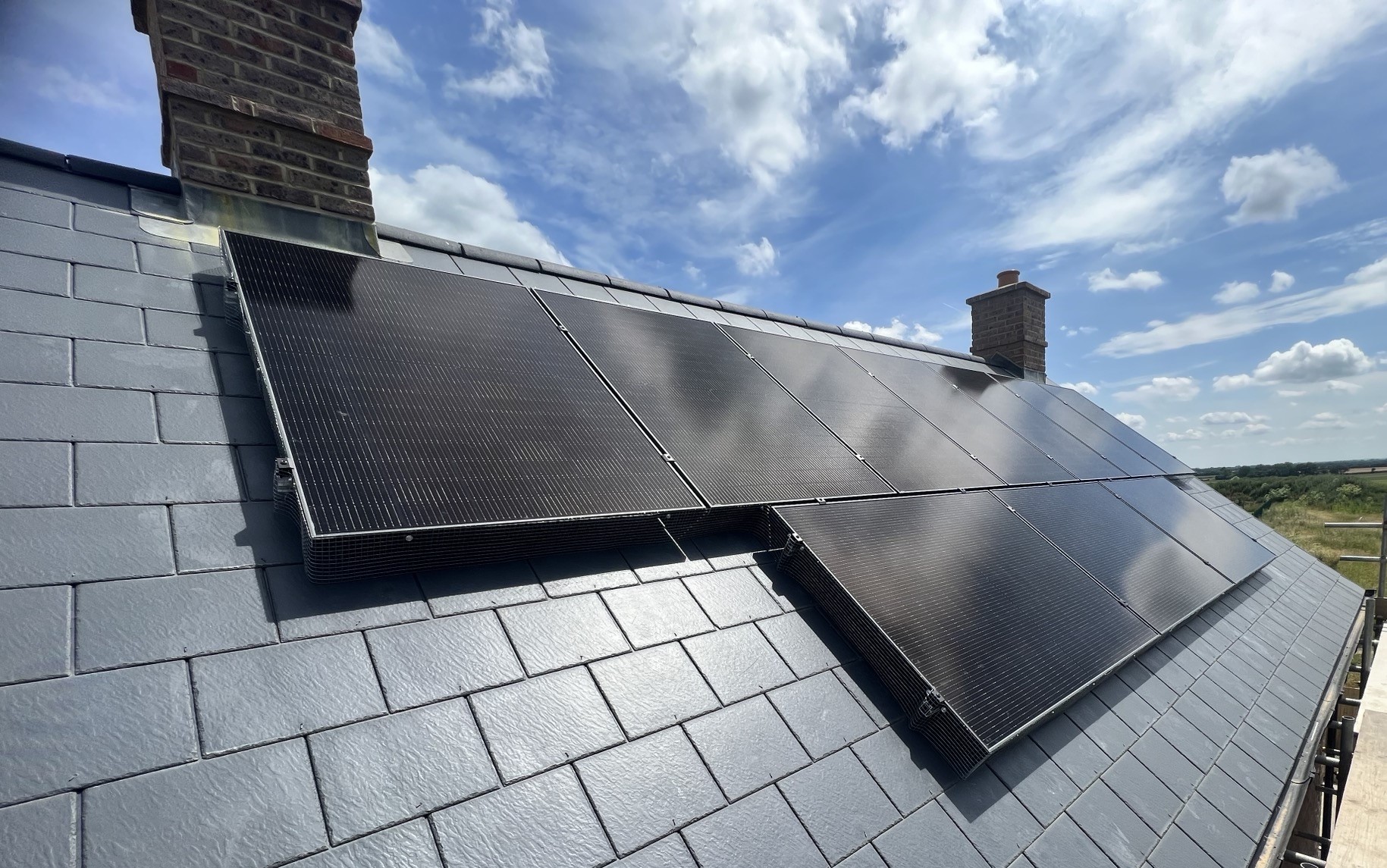
- Mounting System Installation: solar mounting systems must be securely fixed, weatherproofed, wind-load tested and compatible with the roof structure. Incorrect installation can lead to leaks, roof damage and panel movement during severe weather.
- Electrical Installation: the electrical side of a solar system includes DC cabling, isolation switches, inverters, generation meters, consumer unit connections, earthing and protection systems. This is where the majority of safety risks exist.
- Testing and Commissioning: professional installers conduct extensive testing to verify electrical safety, system performance, grid compliance and correct inverter operation. Without proper commissioning, faults may go unnoticed until they become costly problems.
The Biggest Risks of DIY Solar Panel Installation
Many homeowners initially consider DIY solar installation as a way to save money. However, the risks often outweigh the potential savings.
- Working at Height: falls from roofs remain one of the biggest causes of serious injuries in construction and home improvement projects. Professional installers use scaffolding, fall protection systems, specialist access equipment and safe working procedures.
- Electrical Hazards: solar panels generate electricity whenever daylight hits them. This means live DC voltages can be present even when systems are switched off elsewhere. Improper electrical work can result in electric shock, fire risks, equipment damage, invalidated warranties.
- Roof Damage: incorrect mounting techniques can lead to broken roof tiles, water ingress, structural damage and expensive repairs. These problems may not be apparent until months or years later.
Will DIY Solar Panels Save Money?
Many homeowner assume DIY installation dramatically reduces costs. While labour costs are removed, there are often hidden expenses including:
- Scaffolding hire
- Specialist tools
- Electrical testing equipment
- Additional materials
- Replacement parts if mistakes occur
More importantly, a poorly designed system may generate significantly less electricity over its lifetime. Even a small reduction in efficiency can cost thousands of pounds in lost savings over 25 years.
Can You Connect DIY Solar Panels to the National Grid?
Grid connected solar systems must comply with network requirements. Homeowner considering DIY installations should understand that:
- Systems must be correctly designed
- Electrical work must meet relevant standards
- Distribution Network Operator (DNO) requirements may apply
- Incorrect installations can create safety issues
Professional installers manage these requirements as part of the installation process.
What About Solar Panel Warranties?
Many manufacturers offer warranties ranging from 20 to 30 years. However, warranty claims can become more complicated if installation instructions were not followed, components were incorrectly fitted and commissioning records are unavailable. Professional installation often provides additional protection through workmanship guarantees alongside manufacturer warranties.
Why Most UK Homeowners Choose Professional Solar Installers
Professional solar installers bring experience that extends beyond fitting equipment. Benefits typically include:
- Optimised System Design: professional calculate expected annual generation, roof suitability, battery storage options and future energy requirements
- Better Long Term Performance: a well designed system can maximise self-consumption, energy bill savings, battery efficiency and return on investment
- Compliance and Documentation: professional installation include testing certificates, system documentation, performance monitoring setup and ongoing support
- Peace of Mind: knowing your system has been installed correctly provides reassurance that your investment will perform safely and efficiently for decades
Is DIY Solar Installation Worth It?
For most homeowners, the answer is no. While it may be technically possible to install solar panels yourself in the UK, the potential risks associated with roofing work, electrical installation, system design and long term performance often outweigh the upfront costs.
A professionally installed solar PV system is typically safer, more efficient and better protected by warranties and guarantees. When considering an investment designed to last 30 years or more, installation quality matters just as much as the equipment itself.
Why Homeowners Across the South East and East Anglia Trust SolarTherm UK
At SolarTherm UK, we specialise in designing and installing high performance solar PV and battery storage systems for homeowners across Essex, Suffolk, Kent, Hertfordshire and the wider South East and East Anglia.
Our team assesses every property individually to ensure homeowners receive a system designed around:
- Energy consumption patterns
- Roof characteristics
- Future energy requirements
- Battery storage opportunities
- Maximum financial return
We believe informed homeowners make better decisions, which is why we provide honest advice and transparent recommendations on every project. Whether you’re comparing DIY solar installation with professional installation or simply exploring your options, our experienced team is happy to help.
Contact SolarTherm UK today for a free, no obligation quote and design, tailored to your property, usage and future energy needs. No hard sell, just honest, expert advice – and the time you need to make an informed decision.
Your home. Your energy. Your future.
Frequently Asked Questions
Can I legally install solar panels myself in the UK?
Yes, homeowners can physically install solar panels themselves, but electrical connections, compliance requirements and safety considerations make professional installation the preferred option for most properties.
Do I need planning permission to install solar panels?
Most residential solar panel installations fall under permitted development rights, although exceptions can apply to listed buildings, conservation areas and certain property types.
Can I connect solar panels directly to my consumer unit?
Solar systems require appropriate electrical design, protection devices and compliance with relevant standards. Improper connections can create serious safety risks.
Will DIY solar installation void warranties?
It can in some circumstances. Manufacturers may require installations to follow specific guidelines, and incorrect installation can affect warranty claims.
Is professional solar installation worth the cost?
For most UK homeowners, professional installation provides greater safety, system performance, compliance and long-term value than a DIY installation.