UK households are facing another squeeze on their finances, with inflation rising and energy bills expected to increase again from October.
The latest figures show that UK inflation rose to 2.9% in July 2026, up from 206% in June. This was the fastest rate of inflation for four months, with higher household energy costs identified as the main driver of the increase.
And there is now further concern for households heading into winter. Energy market analysts at Cornwall Insight are forecasting that the next energy price cap, which will apply from October 2026, could rise by around 4%. Under Ofgem’s new Typical Domestic Consumption Values, this would put the average annual bill at approximately £1,729, up from the current £1,663 figure.
On a like for like basis, Cornwall Insight says this would represent the highest energy price cap since July 2023. For homeowners, the latest news is another reminder that energy costs can be difficult to predict.
However, there is one way to reduce your exposure to rising electricity prices: generate more of your own electricity.
Inflation is Rising – and Energy Bills are a Major Reason Why
Inflation measures how quickly the overall price of goods and services is increasing. The UK’s Consumer Prices Index (CPI) rose to 2.9% in July, moving further away from the Bank of England’s 2% target.
According to Sky News, the increase was largely driven by the 13% rise in household energy bills that took effect in July, when the previous energy price cap was increased. That is significant because energy doesn’t just affect your electricity and gas bills.
Higher energy costs can feed into the wider economy. Businesses face higher operating costs, while energy intensive industries can see their costs increase. Those increases can eventually influence the prices consumers pay for goods and services.
So when energy prices rise, the impact can extend well beyond the monthly energy bill. And now households are being warned that another increase could be on the way.
Energy Prices Are Expected to Rise Again from October
The energy price cap is reviewed every three months by Ofgem. The current cap applies from July until the end of September. The next cap will take effect from 1 October 2026, with Ofgem expected to announce the confirmed figure shortly.
Before that announcement, Cornwall Insight is forecasting an increase of around 4%. Its latest calculation puts the October-December cap at £1,729,31 for a typical dual fuel household using the new consumption figures introduced by Ofgem.
That compares with the current £1,663 figure under the new Typical Domestic Consumption Values.
It is important to remember that the energy price cap is not a maximum annual bill. It limits the unit rates and standing charges suppliers can apply to customers on default tariffs. The amount an individual household actually pays depends on how much energy it uses.
Nevertheless, the forecast is significant. It confirmed, it would mean energy bills reaching their highest level since July 2023 on a unit for unit basis.
Why Are Energy Prices Still So Vulnerable?
One of the most important points coming out of the latest forecasts is that UK household energy prices remain heavily influenced by the international energy market.
Cornwall Insight has highlighted the impact of international conflict and rising wholesale prices, with wholesale prices for the coming winter reaching their highest level in almost four years.
The situation in the Middle East is also affecting global gas markets and making it more difficult for European gas storage operators to refill stocks ahead of winter. For homeowners, this creates a frustrating situation. You can control how much electricity your household uses. You cannot control the international wholesale price of gas. And you certainly cannot control geopolitical events thousands of miles away.
Yet those factors can ultimately influence the price that you pay to heat and power you home.
This is Where Solar Can Make a Difference
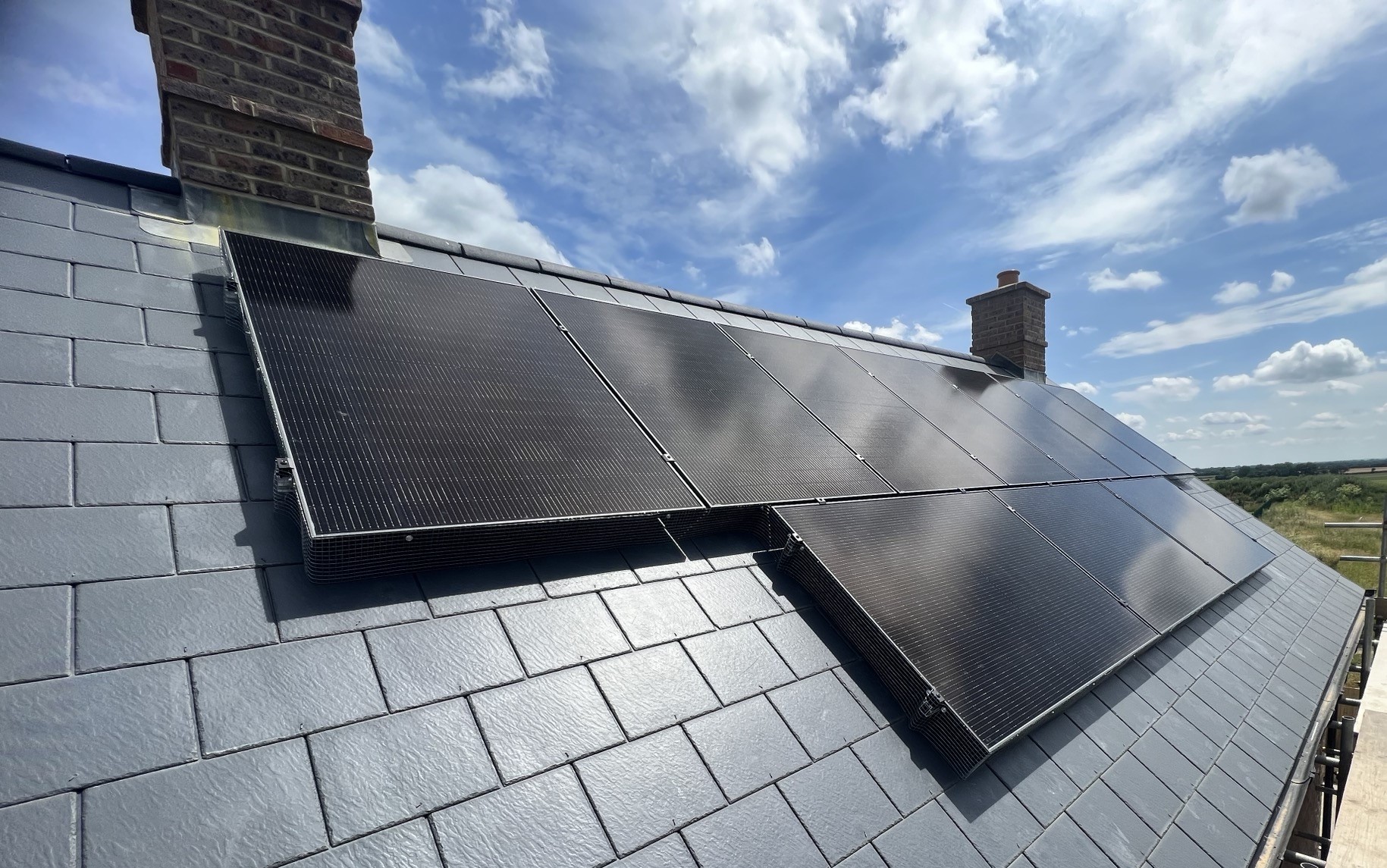
Solar PV gives homeowners an alternative source of electricity. Rather than purchasing every unit of electricity from an energy supplier, solar panels allow you to generate electricity directly from your own roof.
When your panels are generating electricity, your home can use that generation to power appliances, lighting, electronics, heating systems and other electrical loads. That means you don’t need to purchase those units from the grid.
Unlike electricity purchased from your supplier, the cost of the sunlight reaching your solar panels isn’t affected by wholesale energy prices. Once your solar PV system has been installed, the cost of generating electricity from it is considerably more predictable.
Solar Won’t Eliminate Your Energy Bill
It’s important to be realistic about what solar can do. Installing solar panels doesn’t mean you will never receive an electricity bill again. Your home will still be connected to the grid, and there will be times when your solar system isn’t producing enough electricity to meet your demand.
During winter, for example, solar generation can be considerably lower, while your household may simultaneously be using more electricity. You’ll also continue to have standing charges associated with your electricity supply.
However, solar can reduce the amount of electricity you need to buy from the grid. That distinction becomes increasingly valuable when grid electricity prices are rising.
The More Solar Electricity You Use, the Less You’re Exposed to Price Rises
Imagine your household uses 4,000kWh of electricity a year. Without solar, you need to purchase that electricity from your supplier. If the price you pay for electricity increases, your exposure to that increase applies across your complete consumption.
Now imagine a solar PV system generates a significant proportion of your annual electricity needs. You may be able to use some of that electricity directly in your home rather than purchasing it from the grid.
If your solar system also includes battery storage, you can potentially use even more of your own generated electricity.
The result is simple:
The less electricity you need to buy from the grid, the less exposed your household is to future increases in electricity prices.
That’s where soalr can offer something beyond financial savings. It can provide greater energy cost predictability.
Adding a Battery Can Make Your Solar System Even More Useful
One of the challenges with solar is that generation and electricity consumption don’t always happen at the same time. Your panels may produce their highest output around the middle of the day. Many households however, use more electricity during the morning and evening.
Without battery storage, surplus electricity that isn’t being used it immediately exported to the grid for payment under the Smart Export Guarantee (SEG). With a battery, that excess generation is stored for use later in the day, when your panels have stopped generating for the day.
This can increase the proportion of your solar generation that you use yourself – known as self-consumption.
Solar and Battery Storage Can Give Homeowners More Flexibility
Battery storage can also provide additional flexibility when combined with an appropriate tariff. Some tariffs, like Octopus Flux, offer cheaper electricity at certain times of the day.
A suitably configured battery can potentially take advantage of cheaper periods, while solar generation can provide additional energy during daylight hours.
The precise financial benefits depend on your household’s electricity consumption, tariff, solar generation and battery capacity. That’s why getting the system designed for your property is important.
A good solar installation isn’t simply about putting as many panels as possible on a roof. It’s about understanding how the household uses energy and designing a system around your needs, lifestyle and energy usage patterns.
What About Electricity You Don’t Use?
There will be times when your solar panels generate more electricity than your home and battery can use. Depending on your circumstances and chosen tariff, you may be able to export some of the surplus electricity to the grid and receive payment through the Smart Export Guarantee (SEG).
This means your solar system can potentially provide value in several ways:
- Generate your own electricity
- Use that electricity in your home
- Store surplus electricity in a battery
- Export excess electricity to the grid
- Reduce the amount of electricity you need to purchase
The ideal balance between these options will vary from one household to another.
Why Predictability Could Become One of Solar’s Biggest Benefits
The latest inflation figures and energy price forecasts demonstrate a problem homeowners have faced repeatedly over recent years. Energy prices can change dramatically.
The July 2026 price cap increase was enough to contribute significantly to the UK’s rise in inflation. Now, before the next price cap has even been officially announced, analysts are forecasting another increase for October. And if Cornwall Insight’s forecast is correct, the resulting price cap would put bills at the highest on a like for like basis since July 2023.
For households trying to plan their finances, that uncertainty matters. Nobody knows exactly what energy prices will look like in two, five or ten years – and certainly not in 30 or 40 years time. But homeowners with solar can potentially reduce the amount of electricity they need to purchase at those future prices.
That makes solar about more than simply saving money on today’s energy bill.
It’s about taking greater control of your home’s future energy costs.
Solar Gives You an Alternative to Simply Accepting Rising Prices
You can’t control the energy price cap. You can’t control wholesale gas prices. You can’t control international energy markets. But you can control how much energy you need to purchase from expensive energy suppliers and make decisions about how your home generates and uses electricity.
Solar panels allow you to generate your own electricity. Battery storage allows you to keep more of that electricity for use when demand is higher and prices rise. Smart energy management can help you make better use of the electricity you generate and, where appropriate, take advantage of cheaper periods on your tariff.
Together, these technologies can reduce your dependence on the grid and make your household less vulnerable to future electricity price increases.
Could Solar Make Your Energy Costs More Predictable?
The latest news is a timely reminder that energy prices remain outside the control of individual households. With inflation now at 2.9%, another energy price cap increase expected from October and bills potentially reaching their highest level since July 2023, homeowners may understandably be looking for ways to reduce their exposure to rising energy costs.
Solar PV and battery storage cannot completely eliminate your electricity bill. They can change where your electricity comes from. By generating and storing more of your own electricity, you can potentially reduce the amount you need to purchase from the grid – helping make a greater proportion of your household energy costs more predictable.
Take Control of Your Home’s Energy Future
At SolarTherm UK, we design and install solar PV and battery storage systems across homes in Essex, Kent, Suffolk, Hertfordshire and the wider South East and East Anglia. We supply systems featuring leading technologies including Hanchu ESS, Tesla Powerwall 3 and Sigenergy SigenStor, with system design based on your property and household energy requirements.
With over 16 years of experience and being MCS certified and NICEIC approved installers, ensuring your system is of the highest quality and safety standards is of utmost importance to us. We only use components that have stood the test of time.
If you’re concerned about rising energy prices and want to find out how solar and battery storage could reduce your reliance on grid electricity and lower your energy bills, contact SolarTherm UK today for a free, no obligation quote and design, tailored to your property, usage and future energy needs. No hard sell, just honest, expert advice – and the time you need to make an informed decision.
Your home. Your energy. Your future.
Frequently Asked Questions
Yes. Cornwall Insight is forecasting around a 4% increase in the energy price cap from October 2026. If the forecast is correct, the cap would reach its highest level since July 2023 on a like-for-like basis.
UK energy prices are influenced by wholesale gas and electricity markets, which can be affected by international events, supply concerns and geopolitical uncertainty. These costs can ultimately feed through to household energy bills.
Solar cannot completely protect a household from energy price increases, but it can reduce your reliance on grid electricity. The more electricity you generate and use yourself, the less electricity you need to purchase from your energy supplier.
It can. A battery allows surplus solar electricity generated during the day to be stored and used later, such as in the evening when your panels are producing little or no electricity. This can increase the amount of your solar energy you use yourself.
Not usually. Most homes will still need to import some electricity from the grid, particularly overnight and during periods of low solar generation. However, a correctly designed solar and battery system can significantly reduce the amount of electricity you need to buy.
Potentially, yes. Eligible homeowners can export surplus electricity to the grid and receive payments through the Smart Export Guarantee (SEG), depending on their chosen tariff and supplier.
For many homeowners, rising energy prices make the potential benefits of solar and battery storage more attractive. Generating more of your own electricity can reduce your exposure to future grid price increases and give you greater control over your household energy costs.