As energy bills rise across the South East, homeowners are looking for efficient, cost effective ways to heat their homes. At SolarTherm UK, we specialise in helping homeowners across Essex, Kent, London and beyond harness the power of the sun for heating and hot water.
One increasingly popular option is solar powered underfloor heating. A modern, energy efficient system that can be powered by solar panels. In this guide we’ll explain how it works, the costs, pros and cons and whether it’s the right choice for your South East home.
What is Solar Powered Underfloor Heating?
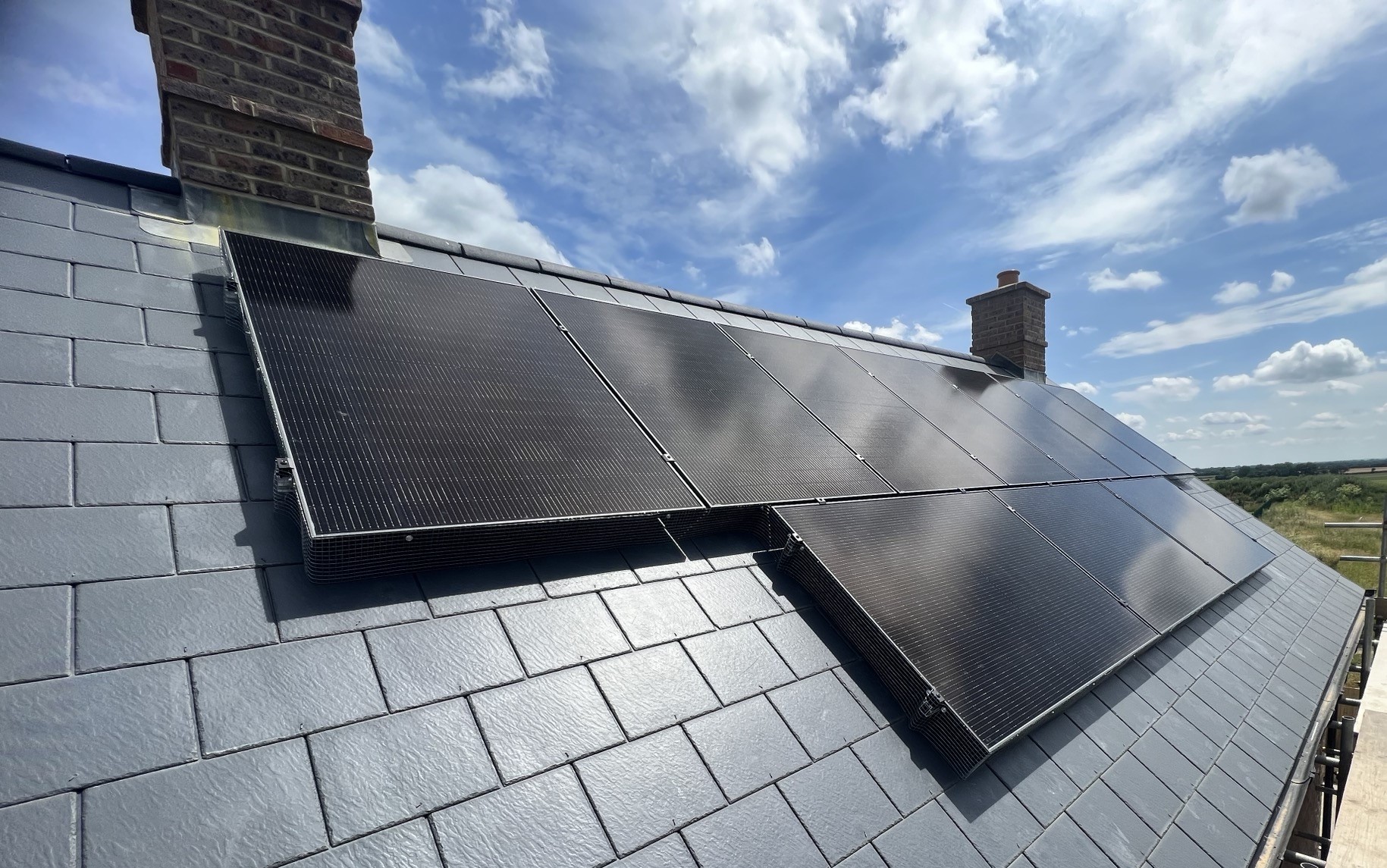
Solar powered underfloor heating uses energy from the sun to heat your home via panels on your roof. There are two main ways this can be done; electric underfloor heating powered by solar PV panels or wet underfloor heating powered by solar thermal panels. Both systems allow you to make use of free electricity generated by the sun, reducing your reliance on the grid and cutting your carbon footprint.
Types of Solar Powered Underfloor Heating
Electric Underfloor Heating with Solar PV Panels
This system uses electric heating mats or cables installed beneath your flooring. The electric to run them is generated by your solar PV panels on your roof or supplied by stored energy in your solar battery.
- Pros: simple installation, works well in smaller rooms.
- Cons: solar PV only generates throughout the day. To heat your home in the evenings and through the night you’ll either need grid electricity or a solar battery.
Wet Underfloor Heating with Solar Thermal
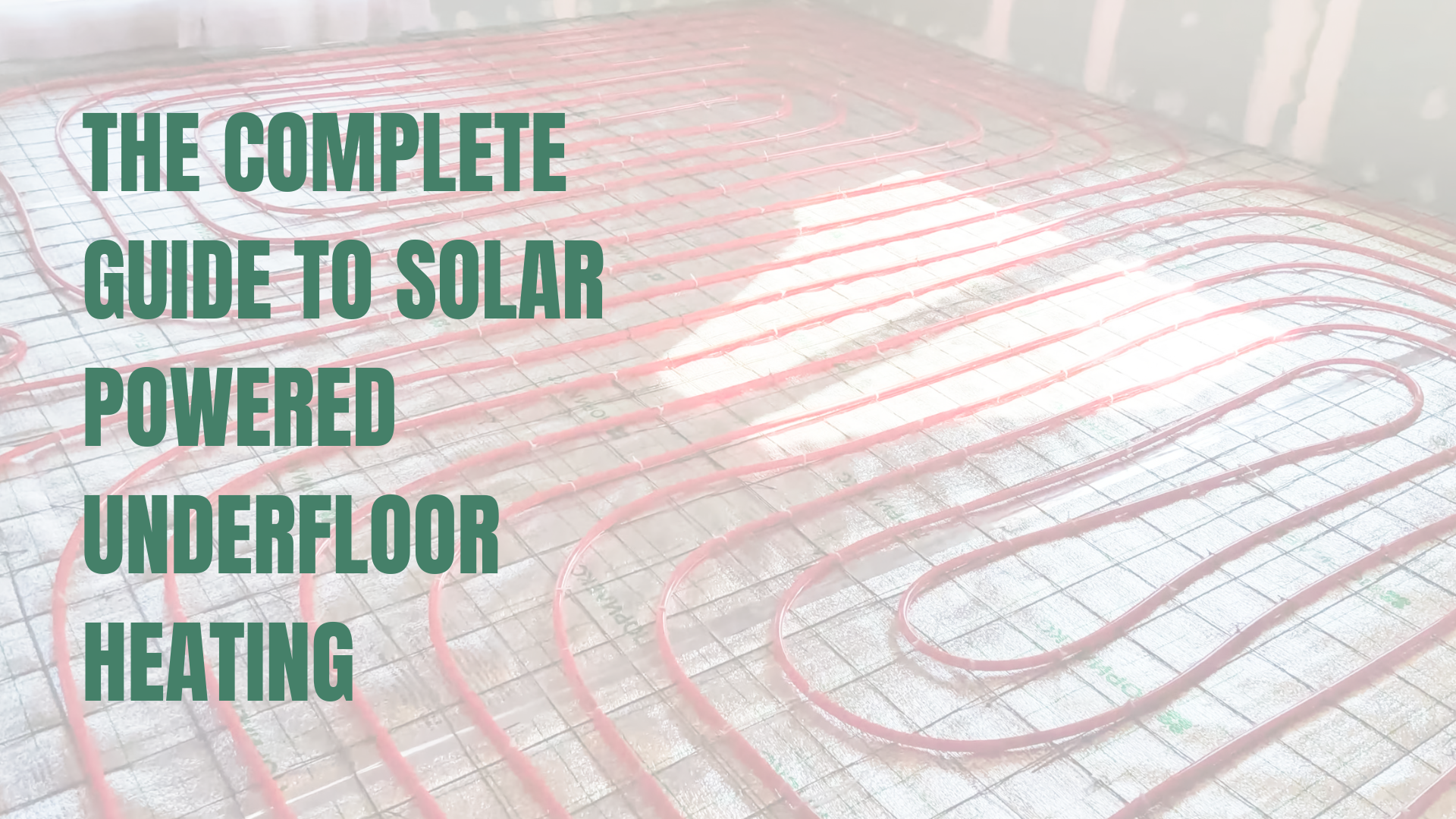
Wet underfloor heating runs hot water through a network of pipes under the floor. The water can be heated by solar thermal panels on your roof or via an electric water heater powered by solar PV panels.
- Pros: very efficient and ideal for whole-house heating.
- Cons: works best with a backup boiler or heat pump, particularly in the colder months when solar energy is less abundant.
How Do Solar Panels Power Underfloor Heating?
Solar panels can help power underfloor heating by generating electricity that can be used to heat your home. The amount of heating you can run using solar energy depends on your solar PV system size, electricity consumption, underfloor heating type and the time of day you use it.
Understanding how the system works can help you decide whether solar-powered underfloor heating is suitable for your property.
How Solar PV Works with Underfloor Heating
Solar photovoltaic (PV) panels convert daylight into electricity. This electricity can be used to power electrical appliances and heating systems within your home, including electric underfloor heating and the heat pump that supplies a wet underfloor heating system.
The process works as follows:
- Solar panels generate electricity: Your roof-mounted solar panels produce electricity during daylight hours, with output varying according to the weather, season and roof orientation.
- Your home uses the electricity: The electricity generated can power electric underfloor heating, thermostats and other household appliances, reducing the amount you need to buy from your energy supplier.
- A battery can store surplus energy: If your solar panels generate more electricity than your home needs, a compatible battery can store some of the surplus for use later, including in the evening.
- The grid supplies any shortfall: When your home needs more electricity than your solar panels and battery can provide, you can draw the remainder from the grid.
Solar panels do not need to connect directly to your underfloor heating system. Instead, they supply electricity to your property’s electrical system, where it can be used by compatible heating equipment.
Electric vs Wet Underfloor Heating with Solar Panels
The type of underfloor heating you have determines how solar electricity can support it.
Electric underfloor heating
Electric underfloor heating uses heating cables, mats or other electrical heating elements installed beneath the floor. Solar PV electricity can help power these elements directly, reducing the amount of electricity imported from the grid when the system is operating during periods of solar generation.
This arrangement can be particularly useful in individual rooms, extensions, bathrooms and other areas where electric underfloor heating is installed. However, electric resistance heating can consume substantial amounts of electricity, so the heating demand needs to be considered when sizing your solar PV and battery system.
Wet underfloor heating
Wet, or water-based, underfloor heating circulates warm water through pipes beneath the floor. The water must be heated by a suitable heat source, such as a boiler or heat pump.
Solar PV panels can supply electricity to a compatible electric heat pump, helping to reduce the cost of running the heating system. A battery may provide additional flexibility by storing surplus solar electricity for later use.
The solar panels do not directly heat the water in a conventional wet underfloor heating system. The overall performance depends on the heat source, system design and the property’s heating requirements.
Can Solar Panels Power Underfloor Heating All Year Round?
Solar panels can generate electricity throughout the year, but their output varies considerably between summer and winter.
During spring and summer, longer daylight hours can provide more opportunities to use solar electricity for heating, particularly in well-insulated properties or when heating is required for shorter periods. In winter, when heating demand is often highest, shorter days and reduced solar generation can mean that less of the required electricity comes directly from your panels.
A battery can help you use surplus daytime generation later in the day, but it cannot guarantee enough stored electricity to meet your heating needs during prolonged periods of low solar generation. Most households should plan for supplementary grid electricity or another suitable heat source.
Pros and Cons of Solar Underfloor Heating
Underfloor heating powered by solar reduces your running costs for heating your home, as the electricity you are using is generated for free from your roof. It’s also a good way to reduce your carbon emissions and play your part in helping the UK meet its Net Zero targets. Underfloor heating is also efficient and safe, heating your home evenly without the need for unsightly radiators taking up valuable space on your walls.
Unfortunately, underfloor heating can increase your investment costs when having solar installed, your system will need to be large enough to cover the additional power that is needed to run underfloor heating. As solar panels generate less power throughout the winter months, a backup boiler or grid supply will also be needed, unless your also install a solar battery that stores surplus electricity for use when generation is lower. When choosing your underfloor heating system, you need to decide if you want speed or stability, a wet system takes longer to heat up but will provide a more stable warmth once heated.
Insulation, Floor Types and Choosing the Right Underfloor Heating System
Solar-powered underfloor heating is not equally suitable for every property. Insulation, floor construction, floor coverings and the amount of heat each room needs all influence how effectively the system will work.
Before installing underfloor heating alongside solar panels, it is important to consider the building as a whole rather than looking at solar generation in isolation.
Why Is Underfloor Insulation Important?
Underfloor heating works by distributing heat across a large area beneath the floor surface. Appropriate insulation helps reduce unwanted heat loss, allowing more of the heat to warm the room rather than escaping into the ground or the structure below.
Without suitable insulation, the heating system may need to operate for longer to achieve the desired temperature. This can increase energy consumption and reduce the amount of heating that can be supported by your available solar electricity.
The insulation requirements depend on the floor construction and the type of underfloor heating being installed. New-build properties and major renovations may offer opportunities to incorporate insulation during construction, while retrofitting an existing floor can be more complicated and expensive.
Improving insulation in the wider property, including walls, roofs and windows where necessary, can also help reduce overall heating demand.
How Do Floor Coverings Affect Underfloor Heating?
The floor covering influences how readily heat passes from the heating system into the room.
Tiles and stone generally transfer heat effectively and are commonly used with underfloor heating. They can also retain heat, depending on the floor construction and materials used.
Engineered wood and laminate may be suitable when the specific product is approved for underfloor heating. Maximum permitted floor temperatures and installation requirements should be checked with the flooring manufacturer.
Carpet and underlay can restrict heat transfer, particularly when their combined thermal resistance is high. Check the manufacturer’s suitability guidance and ensure the complete floor covering is compatible with the proposed heating system.
Vinyl and other resilient floor coverings may also be suitable, provided the product is approved for underfloor heating and its temperature limits are respected.
The overall floor build-up matters as much as the visible surface. A suitable design should account for insulation, screed or subfloor construction, the heating elements or pipes, and the thermal properties of the chosen flooring.
Electric or Wet Underfloor Heating: Which Is Best?
The right system depends on the property, the area being heated and whether you are installing a new heating system or upgrading an existing one.
Electric underfloor heating uses cables, mats or other electrical heating elements beneath the floor. It can be a practical option for individual rooms, such as bathrooms, kitchens or extensions, particularly where a relatively straightforward retrofit is required. Installation can be less disruptive in some situations, although the existing floor construction and electrical requirements still need to be assessed.
Because electric resistance heating converts electricity into heat at the point of use, its electricity demand should be carefully considered when planning a solar PV and battery system.
Wet underfloor heating circulates warm water through pipes beneath the floor. It is often considered for new-build properties, major renovations and whole-home heating projects, where the floor construction and heating distribution can be designed together.
Wet systems can work particularly well with a suitably designed heat pump, which uses electricity to move heat rather than generating all the heat through electrical resistance. Solar PV can help supply the heat pump’s electricity demand, while battery storage may provide additional flexibility.
However, neither system is automatically the better option. The installation cost, floor construction, heat demand, existing heating equipment and expected running costs all need to be considered.
Assessing Heat Loss and Room-by-Room Requirements
Each room has a different heating requirement depending on its size, insulation, window area, exposure to outside walls and other factors. A larger room does not necessarily need more heating per square metre than a smaller one, and rooms with greater heat loss may require more output to maintain a comfortable temperature.
A room-by-room heat-loss assessment helps establish how much heat is required and whether the proposed underfloor heating system can provide it. The design should also consider the floor covering, available installation depth, pipe or cable layout and the operating temperature of the system.
This assessment is particularly important when combining underfloor heating with solar panels. The heating system’s electricity demand needs to be compared with the expected solar generation and any available battery storage.
A properly designed system should provide comfortable heating while making sensible use of available solar electricity, rather than relying on solar panels alone to meet every heating requirement throughout the year.
For homeowners considering underfloor heating as part of a wider energy-efficiency upgrade, assessing insulation and floor suitability before installation can help avoid unnecessary costs and improve the performance of the finished system.
Battery Storage and Smart Controls for Solar Underfloor Heating
Solar panels generate the most electricity during daylight hours, but underfloor heating is often needed in the early morning and evening, when solar generation may be lower. Battery storage and smart heating controls can help you make better use of the electricity your solar panels produce.
How Does Battery Storage Help with Underfloor Heating?
A solar battery stores surplus electricity generated during the day so it can be used later. Instead of exporting all your excess solar generation to the grid, you can store some of it and use it to power household appliances and compatible electric heating equipment when your panels are generating less electricity.
For example, if your solar panels generate more electricity than your home needs around midday, a battery can store some of that surplus. You may then be able to use the stored electricity to support your heating requirements in the evening.
However, battery storage has limitations. Its usable capacity determines how much electricity it can deliver, and it cannot store energy that your panels have not generated. During winter, when solar generation is often lower and heating demand is higher, you may still need to import electricity from the grid.
How Do You Choose the Right Solar Battery Size?
The right battery size depends on your household’s electricity consumption, solar generation and typical energy usage patterns. It should not be based solely on the rated power of your underfloor heating system.
When choosing a battery, consider:
- Household electricity consumption: Look at how much electricity your home uses during the day and evening, including heating, cooking, appliances and any electric vehicle charging.
- Heating demand: Consider how many rooms you heat, how long the heating operates and how much electricity it typically consumes.
- Solar generation: Assess how much surplus electricity your panels are likely to generate after meeting daytime household demand.
- Usable battery capacity: Check how much stored electricity is available for use, rather than relying solely on the battery’s headline capacity.
- Seasonal variation: Account for the difference between summer solar generation and winter heating requirements.
- Electricity tariffs: Depending on your tariff and battery settings, charging from the grid at cheaper rates may also be an option, although this is separate from storing surplus solar generation.
A larger battery is not automatically the best choice. The aim is to find a suitable balance between available solar generation, your household’s demand, the amount of electricity you can use from storage and the overall installation cost.
Using Smart Thermostats, Zoning and Scheduling
Smart heating controls can help you coordinate your underfloor heating with your household’s energy use. Although they do not increase the amount of electricity your solar panels generate, they can help you manage when and where heat is delivered.
Smart thermostats allow you to set temperatures and heating schedules, with some systems offering remote control and energy monitoring. Compatible controls may also allow you to coordinate heating with solar generation or other energy management equipment.
Zoned heating lets you control different rooms or areas independently. Rather than heating the entire property to the same temperature, you can prioritise occupied rooms and avoid unnecessary heating in areas that are rarely used.
Heating schedules can help you make use of available solar electricity by bringing forward some heating during periods of expected daytime generation, where this suits your household’s needs. However, underfloor heating can respond slowly, particularly in floors with substantial thermal mass. It is therefore important to account for the time needed for the floor and room to warm up.
The most effective approach is to combine suitable heating controls with good insulation, an appropriately sized solar PV system and a battery where it makes financial and practical sense.
Solar battery storage and smart controls can improve how you use your own solar electricity, but the potential savings will depend on your heating demand, equipment, energy tariff and seasonal solar generation.
Is Solar Underfloor Heating Right for Your Home?
Solar-powered underfloor heating can be a useful way to reduce reliance on grid electricity, but the best solution depends on your property and how you use energy.
Before choosing a system, consider:
- Insulation: A well-insulated property generally needs less heat to maintain a comfortable temperature.
- Heating requirements: Consider whether you want to heat individual rooms or the whole house.
- Solar PV capacity: Your roof space, orientation and expected electricity generation affect how much solar energy is available.
- Battery storage: A battery may help shift surplus daytime generation into the evening, depending on its usable capacity and your household demand.
- Existing heating equipment: If you already have wet underfloor heating, the suitability of a heat pump and its compatibility with your existing system should be assessed.
A properly designed system should account for both your household electricity consumption and your heating demand, rather than relying on solar generation estimates alone.
For homeowners considering a wider renewable heating upgrade, combining solar panels with suitable battery storage and an efficient heating system may help reduce electricity costs. However, the potential savings will depend on the equipment installed, energy tariffs, seasonal generation and how much of your solar electricity you can use yourself.
How Much Does Solar Powered Underfloor Heating Cost?
Costs vary on the size of your property and the type of system you choose. If you already have solar PV panels installed, you are looking at around £500-£1,200 per room for electric underfloor heating and £1,200-£3,000 per room for a wet system. If you are combining your underfloor heating with a solar installation, you would be looking at around £5,500 to £7,500 for a solar PV installation and £3,000 to £6,000 for solar thermal panels for a typical three bedroom property.
💡Using solar electricity to support your underfloor heating can reduce the amount of electricity you buy from the grid. Your potential savings will depend on your heating demand, solar PV system size, battery storage, energy tariff and how much of your solar generation you use at home.
Does Solar Powered Underfloor Heating Work in the Winter?
Solar PV systems typically generate less electricity during winter because days are shorter and sunlight levels are lower. The difference varies according to location, roof orientation, shading and system design. As heating demand is often higher during winter, most homes will still need grid electricity or another heat source to supplement solar generation.
Why Choose SolarTherm UK for Solar
At SolarTherm UK, we’ve been installing solar PV systems across Essex, Kent, London and the wider South East for over 15 years.
- Local experts with experience in South East homes, planning requirements and local knowledge.
- Bespoke system design tailored to your property.
- MCS certified installers for maximum efficiency and compliance.
- Aftercare and servicing to keep your system running smoothly.
Solar powered underfloor heating is a smart, sustainable option for homeowners across Essex, Kent, Suffolk, Hertfordshire and the wider South East and East Anglia who want to reduce their bills and carbon emissions. While it requires an upfront investment, the long-term savings and comfort benefits make it a popular choice across the region.
Ready to Join the Solar Revolution?
If you’re having underfloor heating installed and want an efficient, reliable way to power it, contact SolarTherm UK today for a free, no obligation quote and design, tailored to your property, usage and future energy needs. No hard sell, just honest, expert advice.
Your home. Your energy. Your future.
Frequently Asked Questions
Yes. Solar PV panels generate electricity that can supply electric underfloor heating, reducing the amount of electricity imported from the grid. A grid connection or suitable storage and backup arrangement is still important when solar generation is insufficient.
No. Underfloor heating can use solar electricity as it is generated without a battery. A battery can store surplus daytime generation for later use, although its capacity and the available winter generation limit how much heating it can support.
Solar panels continue to generate electricity in winter, but shorter days and lower solar irradiance reduce output. Most households should plan for supplementary grid electricity or another heat source during periods of low generation.
It depends on the property and the wider heating system. Electric underfloor heating can be practical for individual rooms, while wet underfloor heating paired with a heat pump can be suitable for whole-home heating. The best option depends on installation costs, insulation, heat demand and running costs.
Often, yes. Solar PV can supply electricity to the property and offset some of the electricity used by electric underfloor heating or a heat pump. The expected benefit depends on the heating system’s electrical demand and when it operates.