Smart thermostats give you greater control over your home’s heating, helping you manage temperatures, create heating schedules and adjust settings remotely. Used correctly, they can reduce wasted energy and help lower your heating bills.
But do smart thermostats actually save money, and are they worth the upfront cost?
The answer depends on your existing heating controls, household routine, insulation and how efficiently you heat your home. A smart thermostat can be particularly useful if your heating currently runs when nobody is home or you regularly forget to adjust the temperature.
For homeowners considering solar panels, battery storage or a heat pump, smart heating controls can also form part of a wider home energy management strategy. Here, we explain how smart thermostats work, what to consider before buying one and how to get the most from your investment.
What is a Smart Thermostat?
A conventional programmable thermostat can already save energy by following a set heating schedule. A smart thermostat adds features such as remote control, app-based scheduling, geolocation, learning functions or integration with other smart home devices, depending on the model.
These extra features are most useful when your routine changes regularly, you need to adjust your heating while away from home, or you want to coordinate heating with other energy-saving technology. If you already use your existing controls efficiently, the additional financial savings from upgrading may be smaller.
How Do Smart Thermostats Save Energy?
Smart thermostats can help reduce heating waste by giving you more control over when your heating operates and which temperatures you maintain. The actual savings depend on your existing heating habits and the features of your chosen system.
1. Heating Only When You Need It
Set schedules around your daily routine so your home is not heated unnecessarily when everyone is out. You can adjust the schedule when your plans change.
2. Controlling Heating Remotely
If you are delayed returning home or leave the house unexpectedly, you can use an app to adjust your heating without returning to the property.
3. Avoiding Excessively High Temperatures
Keeping your heating at a comfortable, appropriate temperature can reduce unnecessary energy use. Even small changes to your heating schedule and settings may make a difference over time.
4. Heating the Rooms You Use
Some smart heating systems support smart radiator valves or room sensors, allowing greater control over individual rooms. These features may be useful in larger homes or properties where rooms are used at different times.
5. Understanding Your Heating Habits
Depending on the model, usage reports and heating insights can help you identify when your heating operates and where adjustments may be worthwhile.
Do smart thermostats guarantee lower bills?
No. A smart thermostat does not automatically make a heating system more efficient simply because it is connected to the internet. Savings depend on how the controls are used, the type of heating system, the home’s insulation and the amount of energy consumed before and after installation.
How Much Money Can a Smart Thermostat Save?
The amount you could save with a smart thermostat depends on how you currently heat your home. There is no single saving that applies to every household.
If your heating regularly runs while the house is empty, or you frequently heat rooms you do not use, better scheduling and remote control may help reduce unnecessary consumption. If you already use a well-programmed thermostat and efficient heating controls, the additional savings could be more modest.
What Affects Your Potential Savings?
- Your current heating habits: Households that regularly heat an empty property may have more scope to reduce waste.
- Your heating system: The potential benefits differ between gas boilers, heat pumps and other heating systems.
- Your home’s insulation: A poorly insulated property loses heat more quickly, which can increase heating demand.
- Your thermostat settings: Scheduling and temperature adjustments affect how much energy you use.
- The cost of installation: The purchase price and any professional installation costs determine how quickly savings could offset the investment.
How to Work Out Your Potential Return
Before buying a smart thermostat, compare its total installed cost with a realistic estimate of your annual savings.
For example, if a thermostat and installation cost £200 and you save £50 per year, the simple payback period would be four years. If you save £100 per year, it would be two years.
These figures are illustrations, not predicted savings. Your actual result will depend on your property, heating system and usage.
The best approach is to identify where your heating currently wastes energy, check whether a smart thermostat can address that problem and compare the likely savings with the upfront cost.
What to Check Before Buying a Smart Thermostat
Before choosing a smart thermostat, make sure it is compatible with your existing heating system and offers the features you will actually use.
Heating System Compatibility
Check whether the thermostat supports your heating setup, including your boiler, heat pump or other heating controls. Not every product works with every system, and some installations may require additional components or professional configuration.
Installation Requirements
Some smart thermostats can replace existing controls relatively easily, while others require wiring changes, a receiver or additional equipment. Check the manufacturer’s compatibility guidance and consult a qualified heating professional if you are unsure.
Wi-Fi and App Requirements
Many smart thermostats use an internet connection and a smartphone app for remote control. Check the manufacturer’s requirements and whether the product continues to provide basic heating control if your internet connection is unavailable.
Smart Home Integration
If you already use Alexa, Google Home, Apple Home or another smart home platform, check the specific model’s compatibility rather than assuming every thermostat supports every ecosystem.
Room Sensors and Smart Radiator Valves
Some systems offer additional sensors or smart radiator valves to help manage temperatures in different rooms. These can be useful, but they may increase the overall purchase and installation cost.
Ongoing Costs and Support
Check whether the features you want require a subscription, whether software support is maintained and whether replacement parts or additional accessories are available.
Is it Easy to Use?
Most smart thermostats are designed to be straightforward to use once installed. You can usually set a heating schedule, adjust temperatures and manage supported features through the thermostat itself or a smartphone app.
Take time to configure your schedule and understand any automatic learning or presence-detection features. You do not need to use every available function to benefit from better heating control.
Can a Smart Thermostat Work with Solar Panels?
A smart thermostat and a solar PV system can complement each other, but they perform different jobs.
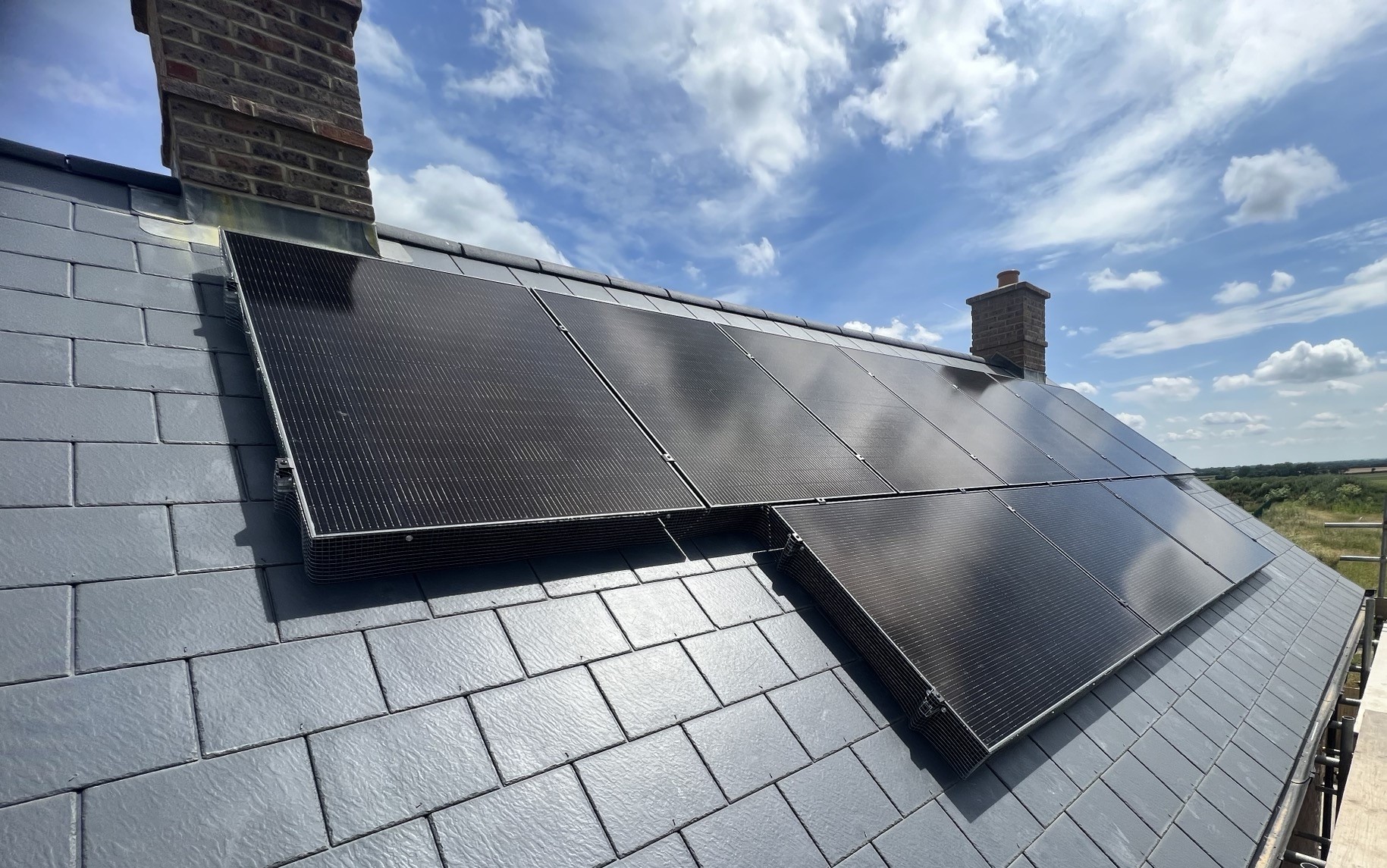
Solar panels generate electricity from daylight, while a smart thermostat controls when your heating operates. Depending on the equipment and its compatibility, smart controls may help you coordinate some energy use with periods of solar generation.
For example, if your heating system supports suitable controls, you may be able to adjust heating schedules to make better use of available solar electricity. However, a standard smart thermostat does not automatically detect surplus solar generation or divert electricity into your hot water system.
What If You Have Solar Panels and a Battery?
A home battery stores electricity for use later. If your battery is full while your panels are still generating, additional electricity may be exported to the grid or used by other operating household loads.
To direct surplus solar electricity into an immersion heater, you would normally need a compatible solar power diverter or energy management system. A smart thermostat alone cannot perform this function.
Similarly, using stored battery electricity for heating depends on your heating system, inverter, battery controls and the way your home energy system is configured.
How Can You Make the Most of Solar Energy?
- Run suitable household appliances during periods of solar generation where practical.
- Use compatible energy monitoring to understand when your home generates and consumes electricity.
- Consider a suitable solar diverter if you want to use surplus generation to heat stored hot water.
- Explore compatible heating controls if you have a heat pump or another electrically powered heating system.
The most appropriate solution depends on your existing equipment, household energy demand and whether you have battery storage. Smart heating is one part of a wider energy management strategy, rather than a standalone way to use all your surplus solar electricity.
How to Choose the Best Smart Thermostat in the UK
The best smart thermostat for your home depends on your heating system, budget and the level of control you want. Rather than choosing on price or brand alone, compare the following features.
| What to compare | Why it matters |
|---|---|
| Heating compatibility | Ensures the thermostat works with your boiler or heat pump |
| Upfront cost | Helps you assess whether the extra features justify the investment |
| Remote control | Allows you to adjust heating while away from home |
| Scheduling and automation | Helps align heating with your routine |
| Room-by-room control | May improve comfort and control in different areas of the property |
| Smart home integration | Determines whether it works with your existing devices |
| Solar and energy management integration | Matters if you want to coordinate heating with a wider home energy system |
Choosing a Smart Thermostat on a Budget
If you mainly want remote control and programmable heating schedules, a simpler model may be sufficient. Check which features are included before paying extra for learning functions, room sensors or advanced automation.
Choosing a Smart Thermostat for a Solar-Powered Home
If you have solar panels, check whether the thermostat integrates with your specific energy management equipment. Do not assume that a smart thermostat can monitor surplus solar generation, control a battery or divert electricity to hot water without additional compatible hardware.
Before buying, compare the total installed cost, compatibility, available features and ongoing charges. The right choice is the model that meets your needs without paying for functions you will not use.
Popular Smart Thermostat Options in the UK
- Nest Thermostat – Nest was one of the first smart thermostats on the UK market and is still one of the best. The Nest Smart Thermostat (gen 3) uses AI to create customised heating and cooling schedules to save you money. It is easily integrated with other smart technology and comes with a remote room sensor to ensure even temperatures throughout the house.
- Honeywell Home T9 Smart Thermostat – Honeywell have been making thermostats forever, and their commitment to making high end affordable smart thermostats shows. The T9 comes with an additional room sensor allowing you to monitor two parts of your home at once and integrates well with Alexa, Google Assistant and IFTTT. It does have it’s limitations on integrating with other smart technology so if you have multiple smart products, it may be worth looking at a different option.
- Hive Thermostat – although one of the cheaper models on the market, the Hive Thermostat reduces the costs by excluding technology that is needed to make the most of the system. Radiator valves, motion detection and automatic controls are not included as standard. The Hive Thermostat is however good for those looking for an easy to use smart thermostat that can be connected to a smart speaker such as Alexa, Google Home or Apple Homekit.
Are Smart Thermostats Worth the Money?
Smart thermostats can be a worthwhile upgrade if you want better control over your heating, more flexible scheduling and the ability to adjust settings remotely.
They are most likely to provide value when their features address a real problem, such as heating an empty home or struggling to maintain an effective schedule. If your current controls already manage your heating efficiently, the financial case for upgrading may be less compelling.
For homeowners planning to install solar panels, battery storage or a heat pump, it is worth considering how heating controls fit into the wider energy system. Compatibility matters, and not every smart thermostat offers the same level of integration.
Before investing, compare the upfront cost with your likely savings, check your heating system’s compatibility and choose features that suit your household.
Take the First Step to a Smarter Home
A solar PV installation from SolarTherm UK can help you save even more on your energy bills when paired with a smart thermostat and other smart technology. Contact SolarTherm UK today for a free bespoke quote and design, tailored to your property, usage and future energy needs. No hard sell, just honest, expert advice.
Your home. Your energy. Your future.
Frequently Asked Questions
Smart thermostats can help reduce heating costs by improving schedules, allowing remote adjustments and reducing unnecessary heating. The amount saved depends on your existing heating habits, heating system, insulation and how you use the thermostat.
There is no guaranteed saving for every household. Potential savings depend on how much unnecessary heating you currently use and whether the thermostat changes your energy consumption. Compare the installed cost with a realistic estimate of annual savings to assess whether it is worthwhile.
The best smart thermostat depends on your heating system, budget and preferred features. Check compatibility, scheduling, remote control, room sensors and smart home integration before choosing a model.
An affordable smart thermostat can be good value if it supports your heating system and provides the features you need. Check installation costs, compatibility and whether advanced functions require additional equipment or a subscription.
Many smart thermostats allow you to control your heating, adjust temperatures and change schedules through a smartphone app. Remote features generally require a compatible device and internet connectivity, so check the manufacturer’s requirements.
Some smart thermostats work with gas boilers, while others support particular heat pumps or heating configurations. Compatibility varies by model, so check the manufacturer’s guidance and your existing heating controls before purchasing.
A smart thermostat can complement solar panels by helping you manage heating schedules, provided your equipment supports the relevant controls. However, a standard thermostat does not necessarily monitor solar generation or automatically use surplus electricity.
Not on its own in most standard installations. Automatically directing surplus solar electricity to an immersion heater normally requires a compatible solar diverter or energy management system. The correct setup depends on your hot water system and existing solar equipment.