Installing solar panels is no longer just an environmentally conscious decision. For many homeowners across the South East and East Anglia, solar has become a practical long term investment that can reduce electricity bills, improve energy independence and increase property appeal.
If you are actively researching solar quotes, comparing installers or searching terms like “best solar panel installer near me” or “how much do solar panels cost in 2026”, you are likely in the ready to buy stage.
This guide explains what homeowners should consider before choosing a solar installer, how to avoid common mistakes and why system design matters more than simply finding the cheapest quote.
Why More UK Homeowners Are Ready to Invest in Solar
Energy prices remain unpredictable, and homeowners are becoming more aware of the long term value solar can provide. In areas across Essex, Kent, Suffolk and the wider South East and East Anglia, homeowners are increasingly looking for ways to reduce reliance on the grid.
Modern solar systems are also significantly more efficient than older installations. Higher panel outputs, improved battery storage technology and smart energy monitoring now allow homeowners to maximise self-consumption throughout the day.
For many households, the decision to install solar is driven by:
- Rising electricity costs
- Long term savings
- Battery storage availability
- Better return on investment
- Increased property value
- Greater energy independence
- Reduced carbon emissions
Homeowners who are ready to buy are often looking for reassurance that they are choosing the right installer and the right system specification for their property.
What Makes a Good Solar Installation?
Not all solar installations are equal. Two homes with similar roofs can achieve very different performance levels depending on panel placement, inverter choice, shading analysis and battery setup.
At SolarTherm UK, every system is designed around the individual property rather than using an off the shelf one size fits all approach.
A professionally designed system should consider:
- Roof Orientation and Pitch: south-facing roofs generally provide the highest generation in the UK, but east-west systems can still deliver excellent returns when designed correctly
- Household Energy Use: understanding when a household uses electricity is essential for sizing both the solar array and any battery storage
- Future Energy Demand: many homeowners are planning for future EV chargers, heat pumps or increased electricity usage
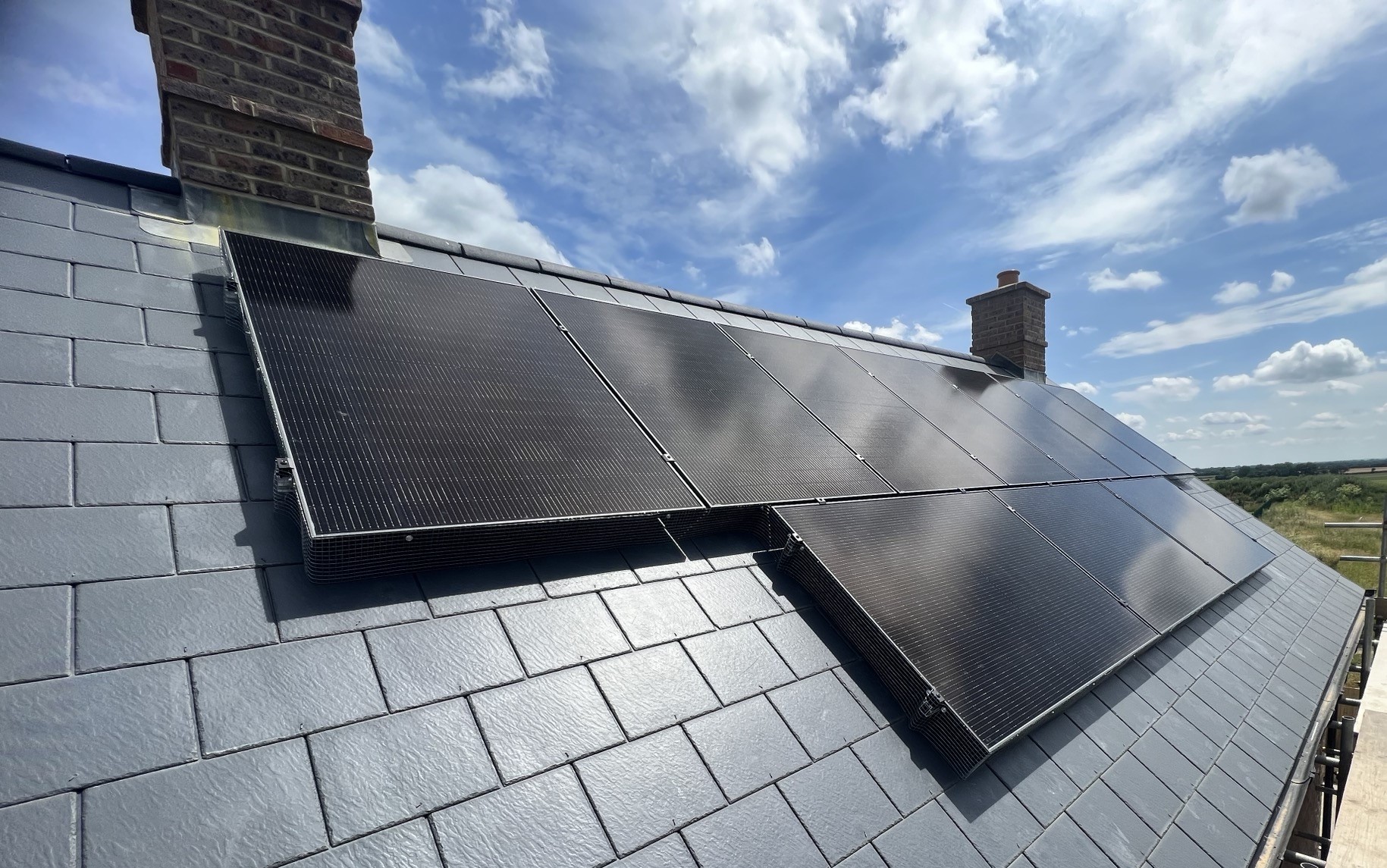
- Shading Analysis: nearby trees, chimneys and neighbouring properties can affect generation. Proper system design helps minimise losses
- Battery Storage Compatibility: battery systems can significantly improve self-consumption rates and help homeowners store unused electricity for evening use.
Choosing the Right Solar Panels
Many homeowners search for “best solar panels UK” or “which solar panels last longest”. While panel efficiency is important, overall system design and installation quality usually have a greater impact on long term performance.
Key factors to compare include:
| Feature | Why It Matters |
| Efficiency | Higher efficiency panels generate more power in limited roof space |
| Warranty | Longer warranties provide greater long term confidence |
| Manufacturer reputation | Established brands often offer better reliability |
| Temperature performance | Important during warmer summer months |
| Product certifications | Indicates compliance with UK standards |
Premium panels are not always necessary for every property. The best system is usually the one that balances budget, roof space and long term energy goals.
Is Battery Storage Worth It?
Battery storage remains one of the fastest growing parts of the UK solar market. Without a battery, unused solar electricity is typically exported to the grid. With battery storage, homeowners can keep more of their generated electricity for use later in the evening.
For households with higher evening usage, batteries can improve savings and reduce grid reliance.
Battery storage may be especially beneficial if you:
- Are away from home during the day
- Charge an electric vehicle
- Use more energy in the evening
- Want backup energy security
- Plan to add a heat pump later
SolarTherm UK helps homeowners assess whether battery storage is financially worthwhile based on their usage patterns and property layout.
Common Mistakes Homeowners Make When Buying Solar
Homeowners researching solar for the first time often focus heavily on price. While budget is important, the cheapest quote is not always the best value.
- Choosing Based on Price Alone: low cost systems may use lower quality components or fail to account for future expansion
- Ignoring Installer Experience: an experienced installer can prevent performance issues, poor aesthetics and future maintenance problems
- Oversizing or Undersizing the System: a properly sized system should match both current and future electricity demand
- Not Understanding Monitoring Systems: modern systems should include clear monitoring apps that allow homeowners to track generation and savings
- Failing to Check Warranties: both workmanship and manufacturer warranties are important
Why Local Experience Matters
Choosing a local installer often provides better long term support and strong understanding of regional property types.
SolarTherm UK works with homeowners throughout Essex, Kent, Suffolk and the surrounding South East and East Anglia. Regional experience matters because roofing styles, planning considerations and grid connection requirements can vary significantly.
Working with a trusted local company also means homeowners can access faster site surveys, ongoing support, clear communication, local references and better aftercare.
The Importance of MCS Certification and Compliance
When choosing a solar installer, homeowners should always check for proper certifications and compliance.
An MCS certified installation is important because it:
- Demonstrates industry standard installation practices
- Helps ensure system safety and performance
- Allows eligibility for Smart Export Guarantee (SEG) payments
- Provides consumer protection
Homeowners should also confirm that installers follow current UK electrical regulations and provide clear documentation after installation.
How Much Do Solar Panels Cost in 2026?
Solar panel pricing depends on system size, roof complexity, panel type, battery storage inclusion, scaffolding requirements and inverter specification. Most residential solar PV systems in the South East and East Anglia cost from around £5,500 to £12,000+ depending on the configuration.
Battery storage will increase upfront costs, but can improve long term energy savings for suitable households. The most accurate way to assess pricing is through a professional survey and tailored quotation.
What to Expect During Installation
Many homeowners are surprised by how quickly modern solar installations can be completed.
A typical residential installation process follows this pattern:
- Initial consultation and feasibility assessment
- Site survey and roof inspection
- System design and quotation
- Installation scheduling
- Scaffold setup
- Panel and inverter installation
- Electrical testing and commissioning
- System handover and monitoring setup
Most residential installations are completed within one to three days depending on system size.
Why Homeowners Across the South East Choose SolarTherm UK
SolarTherm UK provides tailored solar solutions for homeowners across the South East and East Anglia. Rather than offering generic package systems, SolarTherm UK focuses on:
- Property specific system design
- Quality components
- Honest advice
- Long term performance
- Professional installation standards
- Clear communication from survey to completion
Homeowners benefit from local expertise, practical guidance and systems designed around real world energy usage.
Get a Professional Solar Assessment
If you are researching solar panels and are ready to explore installation options, speaking with an experienced local installer is the best next step.
SolarTherm UK provides residential solar installations across the South East and East Anglia, helping homeowners choose systems that match their property, energy usage and long term goals.
Contact SolarTherm UK today for a free, no obligation quote and design, tailored to your property, usage and future energy needs. No hard sell, just honest, expert advice – and the time you need to make an informed decision.
Your home. Your energy. Your future.
Frequently Asked Questions
How many solar panels does a typical UK home need?
Most UK homes install between 8 and 16 panels depending on electricity usage, roof size, and desired output.
Are solar panels worth it in the South East of England?
Yes. The South East receives some of the highest solar generation levels in the UK, making solar a strong long-term investment for many homeowners.
How long do solar panels last?
Most modern solar panels are designed to last 25 years or more, with gradual efficiency reduction over time.
Do I need planning permission for solar panels?
Most residential solar installations fall under permitted development, although exceptions may apply for listed buildings or conservation areas.
Can solar panels work on cloudy days?
Yes. Solar panels still generate electricity in daylight conditions, although output will be lower than during direct sunlight.
Is battery storage necessary?
Not always. Battery storage is most beneficial for households that use more electricity during evenings or want greater energy independence.