What Homeowners Need to Know
If you’re considering solar panels for your home in Suffolk or the wider South East, one of the first questions you’ll likely ask is:
“Do I need planning permission?”
The good news is that in most cases, solar panel installations fall under permitted development rights, meaning your won’t need formal planning approval. However, there are important exceptions and local considerations that homeowners in Suffolk should understand before proceeding.
This guide explains the rules clearly, helping you install solar with confidence while staying compliant.
Do You Need Planning Permission for Solar Panels in Suffolk?
For most residential properties in Suffolk, solar panels are classed as permitted development rights under UK planning laws. This allows homeowners to install solar panels without applying for planning permission, provided certain conditions are met.
Key Conditions for Permitted Development
To qualify your solar installation must:
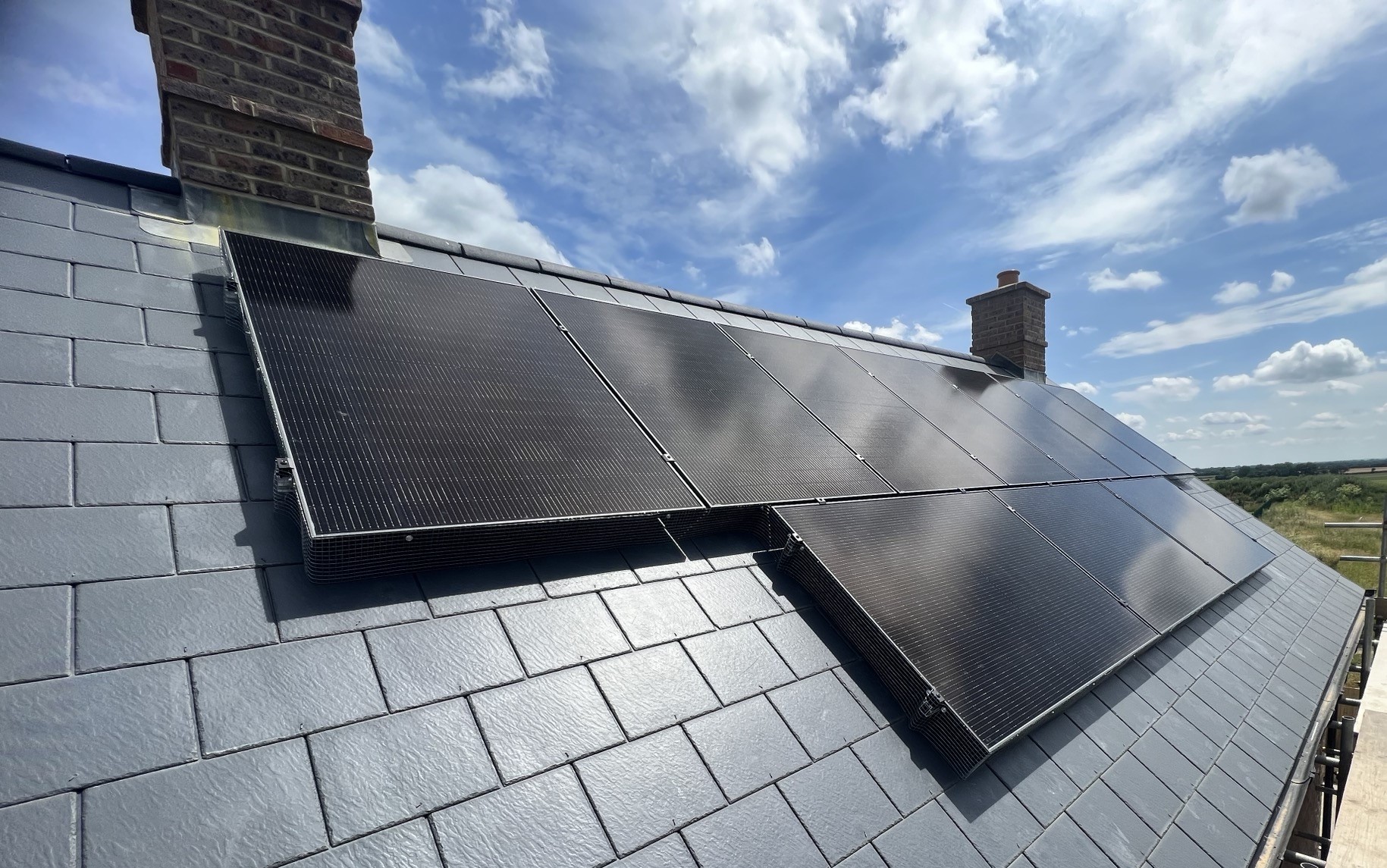
- Not protrude more than 200mm from the roof surface
- Be installed as close to the roof as possible
- Not be higher than the highest part of the roof (excluding chimneys)
- Minimise visual impact on the building and surrounding area
For most standard homes in Suffolk, this means you can install solar panels quickly, without delays from the local planning authority.
When Planning Permission Is Required
There are specific scenarios where planning permission may be needed.
1. Listed Buildings
If your property is listed, you will almost certainly need Listed Building Consent. Suffolk has a high number of heritage properties, particularly in villages and historic towns.
2. Conservation Areas
If you live in a conservation area, restrictions may apply – especially if panels are installed on a roof slope facing a public highway.
3. Flat Roof Installations
Solar panels on flat roofs are allowed, but they must not protrude more than 1 metre above the roof surface.
4. Ground Mounted Systems
Larger ground mounted systems may require planning permission, particularly if they exceed 9m² in size or significantly alter the visual landscape.
Local Considerations in Suffolk
Suffolk’s planning authorities generally support renewable energy, but local nuances can affect approval.
What to Watch For:
- Heritage sensitivity in rural and historic areas
- Visual impact in Ares of Outstanding Natural Beauty (AONB), such as the Suffolk Coast and Heaths
- Neighbour considerations, particularly for ground mounted systems
Working with an experienced local installer like SolarTherm UK ensures these factors are considered early, reducing risk and delays.
Building Regulations vs Planning Permission
Even if planning permission is not required, your installation must comply with UK Building Regulations. This includes structural integrity of your roof, electrical safety (Part P compliance) and fire safety considerations. At SolarTherm UK, all installations are carried out to current standards, giving you peace of mind that your system is safe and compliant.
Do You Need Approval from Your DNO?
Yes – before installation, your installer must notify or gain approval from you Distribution Network Operator (DNO). This ensures your system can safely connect to the local electricity grid and exported electricity won’t overload local infrastructure. Most residential systems fall under a simple notification process (G98), but larger systems may require prior approval (G99).
Why Choosing the Right Installer Matters
When it comes to planning and compliance, expertise is critical. SolarTherm UK provides experienced, qualified engineers with in-depth knowledge of UK regulations. Our team has local expertise across Suffolk and the South East, knowing local planning requirements. From start to finish your project manager will handle everything, from DNO application to compliance check and certification.
We don’t just install solar panels – we ensure your system is fully compliant, efficient and future proof.
Benefits of Installing Solar Panels in Suffolk
Despite planning considerations, solar remains one of the most effective upgrades for homeowners. Key benefits include:
- Lower electricity bills
- Reduced reliance on the grid
- Increased property value
- Lower carbon footprint
- Protection against rising energy prices
With Suffolk’s mix of rural and suburban properties, many homes are ideally suited for solar energy systems.
Final Thoughts
For most homeowners in Suffolk, installing solar panels is straightforward and does not require planning permission. However, exceptions exist – particularly for listed buildings and conservation areas.
Getting the details right at the start can save time, money and stress. If you’re unsure about your property, SolarTherm UK can assess your home, advise on planning requirements and handle the process from start to finish.
Contact SolarTherm UK today for a free, no obligation quote and design, tailored to your property, usage and future energy needs. No hard sell, just honest, expert advice – and the time you need to make an informed decision.
Your home. Your energy. Your future.
FAQs
Do I need planning permission for solar panels in Suffolk?
In most cases, no. Solar panels are usually permitted development, provided they meet specific criteria.
Can I install solar panels on a listed building?
Yes, but you will need Listed Building Consent, and restrictions may apply.
Are solar panels allowed in conservation areas?
Yes, but limitations apply—especially on front-facing roofs visible from the road.
Do I need building regulations approval?
You don’t need to apply separately, but your installer must ensure compliance with all regulations.
How long does planning permission take if required?
Typically 8–10 weeks, depending on your local council.