The hospitality industry is energy intensive. From hot water and heating to lighting, laundry and commercial kitchens, hotels and guest accommodation rely heavily on electricity every day.
For hotels, B&Bs and Airbnb property owners in Essex, Kent, Suffolk and the wider South East, rising energy prices are placing increasing pressure on operating costs. One of the most effective ways to reduce long term electricity expenses and improve sustainability credentials is installing commercial solar panels.
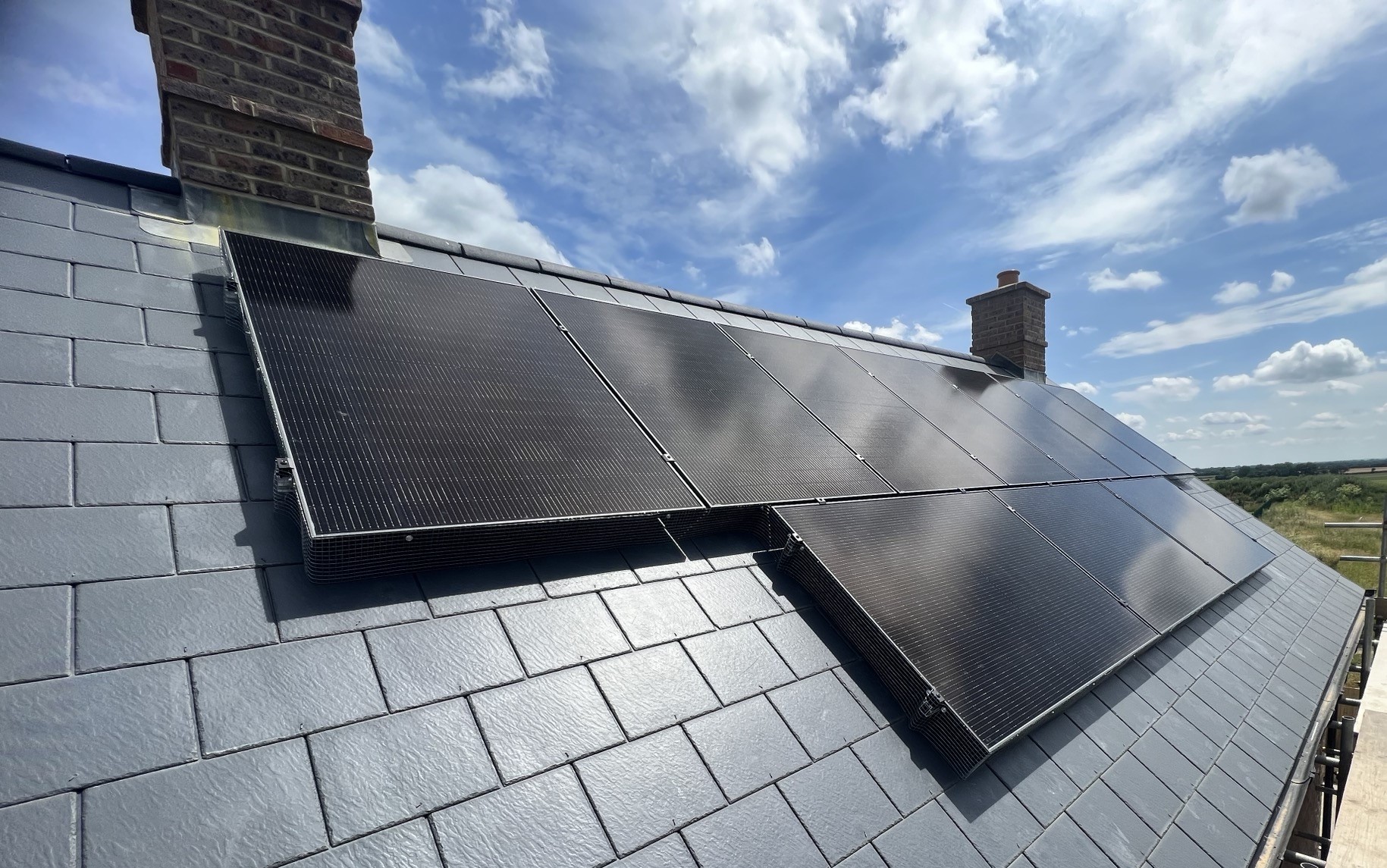
Solar PV systems allow hospitality businesses to generate their own electricity on-site, significantly reducing reliance on the grid while lowering carbon emissions.
In this guide, we explain how solar panels work for hotels, the benefits for hospitality businesses and how SolarTherm UK helps accommodation providers across the South East transition to renewable energy.
Why Hotels and Guest Accommodation Are Ideal for Solar Panels
Hotels and hospitality venues often operate 24 hours a day, 365 days a year, meaning electricity demand is consistently high. This makes solar energy particularly effective for hospitality businesses because:
- Electricity generated during the day is immediately used on site
- High daytime usage increases solar self-consumption
- Large roof spaces are often available for installations
- Long term property ownership suits solar investment
For hotels with restaurants, spas, laundry facilities or electric vehicle charging points, solar energy can significantly reduce operational costs.
Many hospitality businesses in the South East – including Essex, Kent and Suffolk – are now installing commercial solar PV systems to control energy expenses and improve their environmental reputation.
The Financial Benefits of Solar Panels for Hotels
Energy costs are one of the largest overheads for hospitality businesses. Installing solar panels can provide significant financial benefits.
Lower Electricity Bills
Solar panels generate free electricity during daylight hours. Hotels typically use a large portion of this electricity immediately, reducing the amount purchased from the grid. Many hospitality businesses can reduce electricity costs by 30-60% depending on system size and energy usage patterns.
Protection Against Rising Energy Prices
Electricity prices in the UK have been volatile in recent years. Generating your own electricity provides long term cost stability and protection against future energy price increases.
Attractive Return on Investment
Commercial solar systems typically deliver a return on investment within 3-6 years, depending on systems size and energy usage. With solar panel systems lasting 30 years or more, hotels can benefit from decades of reduced electricity costs.
Additional Revenue Through Export
If your solar system produces surplus electricity, it can often be exported back to the grid through the Smart Export Guarantee, allowing you to gain additional revenue.
Sustainability Matters to Modern Travellers
Sustainability is becoming an important factor in travel decisions. Many guests now actively choose accommodation providers that demonstrate environmental responsibility. Installing solar panels can help hospitality businesses:
- Reduce carbon emissions
- Promote eco-friendly accommodation
- Improve brand reputation
- Appeal to environmentally conscious travellers
- Support corporate sustainability goals
Hotels using renewable energy can highlight their green credentials on booking platforms and marketing materials.
How Much Roof Space Do Hotels Need for Solar?
One of the most common questions we receive from hotel owners is whether their building is suitable for solar. Most hospitality properties have excellent solar potential due to their large roof areas. Every project is different, so SolarTherm UK conducts a detailed feasibility study to determine the optimal system size.
We assess:
- Roof orientation and pitch
- Available roof space
- Energy usage patterns
- Structural suitability
- Grid connection requirements
This ensures the system is designed to maximise financial returns.
Battery Storage for Hotels
Some hospitality businesses also install commercial battery storage alongside solar panels. Battery systems store surplus solar electricity generated during the day so it can be used later in the evening when demand remains high. This is particularly useful for hotels with evening restaurant demand, properties with spas or leisure facilities and accommodation with EV charging. Battery storage increases self-consumption of solar energy, further reducing electricity bills.
Why Hospitality Businesses in the South East Choose SolarTherm UK
SolarTherm UK works with commercial clients across Essex, Kent, Suffolk and the wider South East to design and install high performance solar energy systems. Our team has extensive experience delivering commercial solar installations for businesses, helping organisations reduce operational costs while meeting sustainability goals.
What Sets Us Apart
- Commercial solar specialists
- Tailored system design for each property
- High efficiency solar technology
- Fully accredited installations
- Ongoing system support and maintenance
We understand that every hospitality business operates differently, which is why we design solar PV and battery storage systems around your building and energy usage.
Start Your Solar Journey
If you run a hotel, B&B or Airbnb in the South East, solar panels can dramatically reduce energy costs while strengthening your sustainability credentials. SolarTherm UK provides feasibility assessments, system design and full installation services for hospitality businesses looking to invest in renewable energy.
Contact SolarTherm UK today for a free, no obligation quote and design, tailored for your property, energy usage profile and future energy goals. No hard sell, just honest, expert advice – and the time you need to make an informed decision.
Your home. Your energy. Your future.
How long does a commercial solar installation take?
Most commercial solar installations for hotels take 1–3 weeks, depending on system size and roof complexity.
Will solar panels affect the appearance of my hotel?
Solar panels are typically installed on flat or rear-facing roofs, meaning they are often barely visible to guests.
Do hotels need planning permission for solar panels?
Most commercial rooftop solar installations in England fall under permitted development, although larger or listed buildings may require approval.