From heated clothes airers and smart plugs to solar panels and battery storage, there are plenty of ways to take control of your household energy consumption and reduce your electricity bills. But which energy-saving investments really make a difference?
With household energy bills continuing to put pressure on family finances, finding ways to reduce electricity consumption has become increasingly important. While switching energy suppliers or changing tariffs can sometimes help, there are also practical changes you can make around your home to reduce the amount of electricity you use.
From inexpensive gadgets that help eliminate wasted energy to larger investments that could deliver savings for years to come, we’ve looked at nine ways to make your home more energy efficient.
Some involve relatively small upfront costs, while others require a bigger initial investment. However, the potential long-term savings could make them well worth considering.
1. Heated Clothes Airer – A Cheaper Alternative to Your Tumble Dryer
Tumble dryers are among the more energy-intensive appliances in the average household. If you’re regularly drying clothes, switching to a heated clothes airer could help reduce your electricity consumption.
A typical heated clothes airer uses considerably less electricity than a conventional tumble dryer. For example, a 300W heated clothes airer costs approximately 8p per hour to operate, based on an electricity unit rate of 26p/kWh. Compare this with a conventional tumble dryer, which can consume considerably more electricity over the same period.
2. Dehumidifier – Dry Clothes Without Running the Tumble Dryer
Drying clothes indoors can be a practical alternative to using a tumble dryer, particularly during the colder months. However, it can also introduce excess moisture into your home, potentially contributing to condensation, damp and mould.
A dehumidifier can help address this problem while making indoor laundry drying more effective. With a power consumption of approximately 185W, their estimated running cost is around 5p per hour at 26p/kWh. So four hours of operation would therefore cost approximately 20p.
As well as helping to dry laundry, a dehumidifier can help maintain more comfortable humidity levels within your home.
3. Smart Plugs – Stop Wasting Electricity on Standby
How many electrical appliances in your home are left switched on or sitting on standby when they aren’t being used?
Televisions, games consoles, chargers and other household electronics can all contribute to unnecessary electricity condumption.
Smart plugs can offer a simple way to manage this. Smart plugs allow you to control connected appliances remotely through an app on your smartphone. You can also create schedules and timers, automatically switching appliances off when they aren’t needed.
Some smart plugs also provide energy monitoring, allowing you to see hoe much electricity individual appliances are consuming. Small savings can quickly add up, particularly if you have several appliances that are regularly left on standby.
4. Smart Bulbs – Make Your Lighting More Efficient
Lighting is another area where relatively small changes can help reduce household electricity consumption. Traditional incandescent bulbs use considerably more electricity than modern LED alternatives.
Smart LED bulbs take this a step further, allowing you to control your lighting remotely, dim bulbs and schedule when lights switch on and off. One example from the Amazon Basics range – the Smart Dimmable Light Bulb – consumes just 8W while offering smart functionality including dimming and scheduling. At an electricity rate of 26p/kWh, that works out at approximately 0.2p per hour of operation.
Smart lighting apps also help you ensure lights are switched off when not in use or left on in empty rooms and homes.
5. Electric Blankets – Keep Warm Without Heating the Whole Room
Heating your entire home when you’re only using one room can be an expensive way to stay comfortable. Electric blankets offer an alternative, providing targeted warmth when you’re sitting on the soda or getting into bed.
Choosing a blanket with a power consumption of approximately 100W will cost you around 3p to run the blanket for an hour at 26p/kWh. By warming yourself directly, you may be able to reduce your thermostat setting or avoid using additional heating in certain circumstances. However, it is important to maintain appropriate background heating during colder months to help prevent condensation and damp.
6. Electric Heaters – Heat the Space You’re Actually Using
Electric heaters can provide additional warmth without necessarily needing to heat every room in your home. However, they’re not always the cheapest option.
Electricity generally costs more per unit than gas, so relying on electric heaters instead of an existing central heating system could increase your energy bills. Infrared panel heaters are designed to provide targeted warmth, and depending on the setting can give estimated running costs ranging from 4p to 18p per hour.
Infrared heating works by warming nearby surfaces and objects rather than simply heating the air. This can make it useful for providing additional warmth in specific areas, although it shouldn’t necessarily be viewed as a replacement for your home’s central heating.
7. Air Fryers – A More Efficient Way to Cook
Cooking is another area where you could reduce your electricity consumption without making significant lifestyle changes. Air fryers have become increasingly popular because they can cook many meals more quickly and efficiently than conventional ovens.
The cost of cooking a meal is often much lower than a conventional oven because air fryers typically operate for shorter periods than conventional ovens. For example, a 15-minute cooking cycle in a 1,500W air fryer would cost approximately 10p, compared with around 33p for a 30-minute cooking cycle in a 2,500W conventional oven.
8. Energy-Efficient Kettles – Don’t Boil More Water Than You Need
It’s something most of us do several times a day without thinking: putting the kettle on. However, repeatedly boiling more water than you actually need can contribute to unnecessary energy consumption.
A typical 3,000W kettle takes around two and a half minutes to boil one litre of water, costing approximately 3p per boil at 26p/kWh. If you boil a kettle four times a day, that’s about £43.80 per year.
9. Solar Panels and Battery Storage – The Investment That Could Make the Biggest Difference
While all the products we’ve covered can help reduce household electricity consumption, there is one solution that takes energy saving to another level: generating and storing your own electricity.
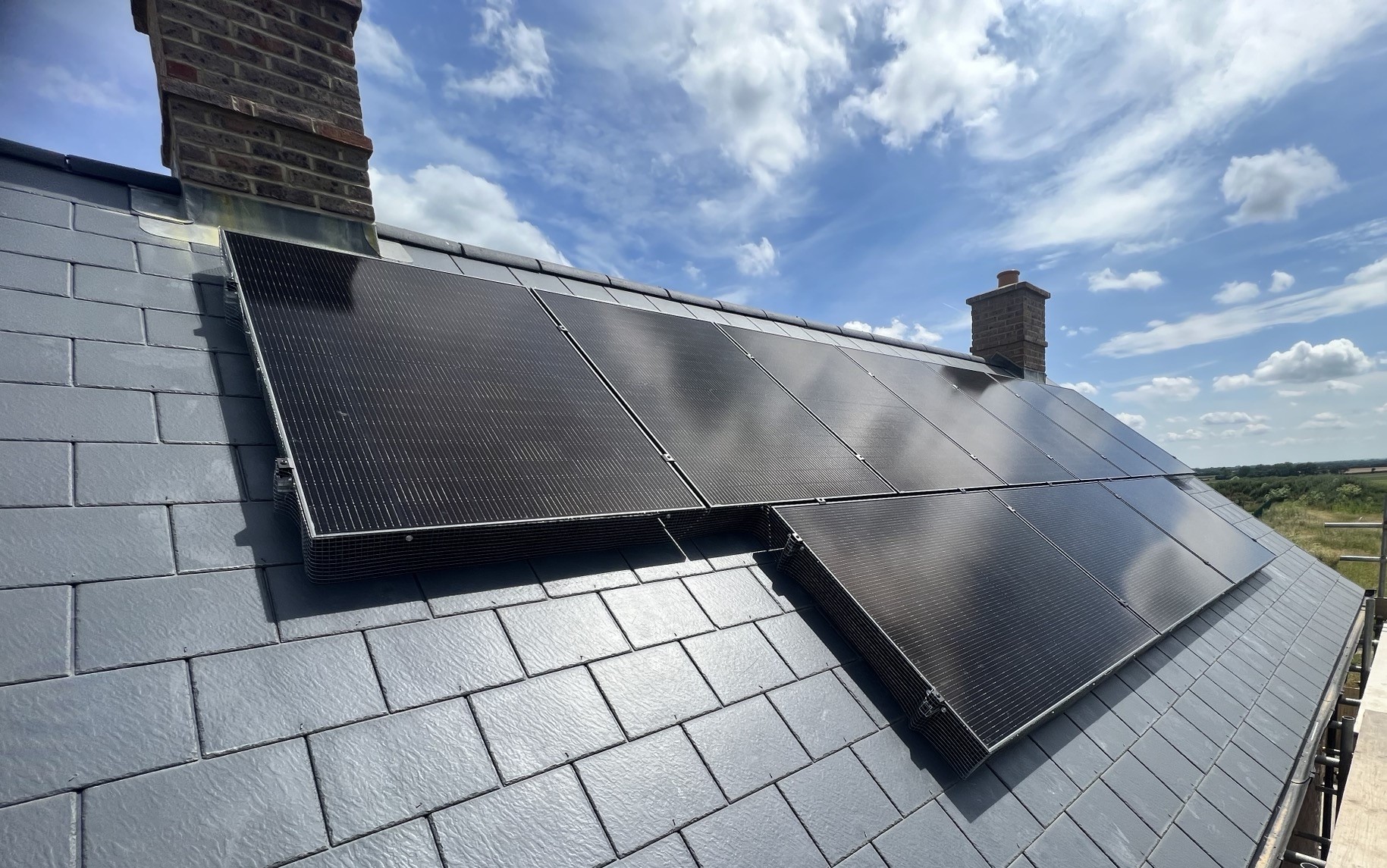
Rather than simply looking for ways to use less electricity, solar panels allow you to generate electricity directly from sunlight and use it to power your home. And, when you combine solar PV with battery storage, you could make even more effective use of the electricity your system generates.
Generate Your Own Electricity with Solar Panels
Solar panels convert daylight into electricity, allowing you to power household appliances without having to purchase all your electricity from expensive energy suppliers.
During daylight hours, your system can generate electricity to run everyday household essentials, including your washing machine, television, lighting and most importantly, the kettle.
Any surplus electricity that isn’t immediately used can be diverted into a compatible battery storage system.
Store Your Electricity for When You Need It
One of the biggest advantages of adding battery storage is that you don’t have to use your solar electricity as soon as it’s generated. Without a battery, surplus electricity is typically exported to the National Grid for payment under the Smart Export Guarantee (SEG). While it is good that you do get paid for this, not surprisingly, energy suppliers will pay you at a much lower rate than what you are purchasing electricity from them at – typically 12-15p/kWh.
With battery storage, you can store that surplus electricity and use it later, such as during the evening when your solar panels are no longer generating. This means you can make better use of the electricity your system produces, reducing the amount you need to import from your energy supplier.
Depending on your system, electricity tariff and household consumption, battery storage can also provide opportunities to charge your battery from the grid during cheaper off-peak periods to use when unit rates are higher – typically in the evenings and early mornings.
What About the Potential Savings?
The financial benefits of solar panels and battery storage depend on several factors, including:
- The size and orientation of your roof
- The number and type of solar panels installed
- Your household’s annual electricity consumption
- How much of your generated electricity you use yourself
- The capacity of your battery storage system
- Your electricity tariff and export payments
As a general guide, a household with solar panels alone might use approximately 40-60% of the electricity it generates. Adding battery storage can potentially increase self-consumption to around 70-90%.
The more of your own electricity you use, the less you need to purchase from your energy supplier, saving you money on your energy bills.
Is Solar Worth the Initial Investment?
Unlike smaller energy-saving gadgets, solar panels and battery storage require a more substantial upfront investment. However, they also have the potential to deliver savings over many years – up to 40 years for most modern solar panels.
With a typical estimated payback period of around 6-10 years, a well-designed solar and battery system could provide decades of reduced electricity costs beyond its initial payback period.
You may also be able to receive payments for surplus electricity exported to the grid through an eligible Smart Export Guarantee (SEG) tariff. With electricity prices continuing to fluctuate, generating and storing your own electricity can provide greater control over your household energy costs and reduce reliance on expensive grid electricity from suppliers.
So, Which Energy-Saving Investment Offers the Best Returns?
There is no doubt that small changes can make a difference. A smart plug can help eliminate unnecessary standby consumption. An LED lightbulb can reduce lighting costs. A heated clothes airer or air fryer could help reduce the electricity used by some of your most frequently operated appliances.
But if you’re looking beyond small savings and considering how to make a more substantial, long-term difference to your household energy bills, solar panels and battery storage deserve serious consideration.
Rather than simply finding cheaper ways to consume electricity, you’re investing in the ability to generate and store your own. And that’s a very different proposition.
Take Control of Your Energy Bills with SolarTherm UK
At SolarTherm UK, we specialise in designing and installing solar PV and battery storage systems for homes across Essex, Kent, Suffolk, Hertfordshire and the wider South East and East Anglia.
As an MCS Approved Contractor and NICEIC Registered Installer, we provide professionally designed and certificated systems, bespoke to your property.
Whether you’re considering solar panels for the first time or looking to maximise your savings with battery storage, our team can help you find the right solution. Contact SolarTherm UK today for a free, no obligation quote and design, tailored to your property, usage and future energy needs. No hard sell, just honest, expert advice – and the time you need to make an informed decision.
Your home. Your energy. Your future.
Frequently Asked Questions
There are several ways to reduce electricity bills, including switching to energy-efficient appliances, using LED lighting, reducing standby consumption and being more mindful of energy usage. However, installing solar panels with battery storage can offer more substantial long-term savings by allowing you to generate and store your own electricity.
Yes, many energy-saving gadgets can help reduce electricity consumption. Smart plugs, LED bulbs, heated clothes airers and electric blankets can all help reduce unnecessary energy use. However, the savings will depend on how frequently they’re used and what appliances they replace.
Some of the most electricity-intensive household appliances include tumble dryers, electric ovens, washing machines, dishwashers and electric heaters. Their actual consumption depends on their power rating, efficiency and how frequently they’re used.
Yes. Solar panels can generate electricity throughout the year in the UK, including during the winter months. Although generation varies depending on daylight hours, weather conditions and roof orientation, a properly designed solar PV system can help reduce reliance on electricity from the grid and lower household energy bills.
Battery storage isn’t essential, but it can significantly improve how much of your solar-generated electricity you use yourself. Without a battery, surplus electricity is generally exported to the grid. With battery storage, you can store excess daytime generation and use it later, particularly during the evening when your panels aren’t producing electricity.
Savings depend on your household electricity consumption, system size, roof orientation, battery capacity and electricity tariff. As a general guide, solar panels alone can allow households to use around 40–60% of their generated electricity, potentially increasing to 70–90% when combined with battery storage. A typical estimated payback period is around 6–10 years, although individual installations will vary.
Yes. Under the Smart Export Guarantee (SEG), eligible homeowners can receive payments from participating electricity suppliers for surplus electricity exported to the National Grid. Export rates vary between suppliers and tariffs, so it’s worth comparing available options.
Yes. Many modern battery storage systems allow you to charge your battery from the grid during cheaper off-peak electricity periods, depending on your battery, inverter, tariff and system configuration. You can then use that stored electricity when electricity prices are higher, potentially reducing your overall energy costs.
Solar panels are designed to operate for decades, with many manufacturers offering performance warranties of 25 years or more. Battery lifespan varies depending on the manufacturer, technology, usage and operating conditions. Both should be considered long-term investments, with warranties and product specifications checked before installation.
Yes. SolarTherm UK provides professionally designed and installed solar PV and battery storage systems for homeowners across Essex, Kent, Suffolk, Hertfordshire and the wider South East. Every system is designed around the property’s characteristics and the household’s electricity requirements.