UK households are facing another period of uncertainty over energy bills, with early forecasts suggesting that the cost of gas and electricity could rise significantly again in January 2027.
The latest warnings come as wholesale gas prices remain elevated, following continued volatility in global energy markets. With the next Energy Price Cap review underway and due to take effect on 1 January, analysts and energy suppliers are already warning that households could face substantially higher bills during the winter months.
For homeowners looking to reduce their exposure to rising energy prices, the developments highlight the importance of considering how much electricity can be generated and stored at home.
Energy Bills Are Already Rising in October
The immediate increase will come on 1 October 2026, when Ofgem’s Energy Price Cap rises by around 4%. The cap for a typical dual fuel household paying by Direct Debit will increase from £1,663 to £1,723 per year – an increase of around £60 if the household’s energy consumption remains at the typical level.
The Energy Price Cap is not a limit on the amount a household can spend. It sets the maximum unit rates and standing charges suppliers can apply to customers on standard variable or default tariffs. The amount an individual household actually pays depends on how much energy it uses.
Around 22 million households are covered by the price cap, although households on fixed rate tariffs are generally not directly affected by this particular change.
January 2027 Could Bring Another Substantial Increase
The bigger concern is what happens when the next price cap period begins in January. Cornwall Insight’s latest forecast puts the January-March 2027 price cap at approximately £1,872 per year for a typical dual fuel household paying by Direct Debit. This would represent a further increase from the October cap, although forecasts can change considerably before Ofgem confirms the final figure.
Other forecasts are considerably higher. Energy suppliers have recently published predictions suggesting that the January cap could potentially excess £2,000, with some forecasts putting it around the £2,100-£2,160 level.
That means there is still considerable uncertainty over exactly where January bills will land. The important point for homeowners is that the direction of wholesale energy prices remains a significant risk.
Why Are Energy Prices Rising?
One of the biggest factors is the wholesale cost of natural gas. Although Britain is generating an increasing amount of electricity from renewable sources, has remains an important part of the energy system and wholesale gas prices continue to influence electricity prices.
Ofgem says wholesale energy costs account for around 40% of a typical energy bill. The regulator has also highlighted continuing volatility in wholesale gas markets during 2026.
Energy UK reported in September that wholesale gas prices had reached their highest level since December 2022, with prices around 50% higher than before the current period of conflict and market disruption.
This matters because electricity prices in Great Britain are still heavily influenced by the cost of gas generation when gas fired power stations are needed to meet demand.
In other words, even households that use relatively little gas can still be affected by movements in the wholesale gas market through their electricity prices.
The Cost of the Grid is Also Increasing
Wholesale energy isn’t the only factor behind higher bills. The UK’s electricity network is undergoing significant investment to increase capacity, connect new renewable generation and strengthen the grid.
Ofgem has previously approved a major programmme of investment in Britain’s energy networks, with some of those costs ultimately being recovered through energy bills. According to the BBC, network investment is expected to add around £108 to a typical household’s bills by 2031, with approximately £6 per month already being added from April 2026.
This means that even if wholesale energy prices eventually fall, there are other components of household energy bills that can continue to put upward pressure on costs.
What Does This Mean for Homeowners?
For homeowners, the latest forecasts reinforce an important point: reducing the amount of electricity you need to buy from the grid can provide greater control over your household energy costs.
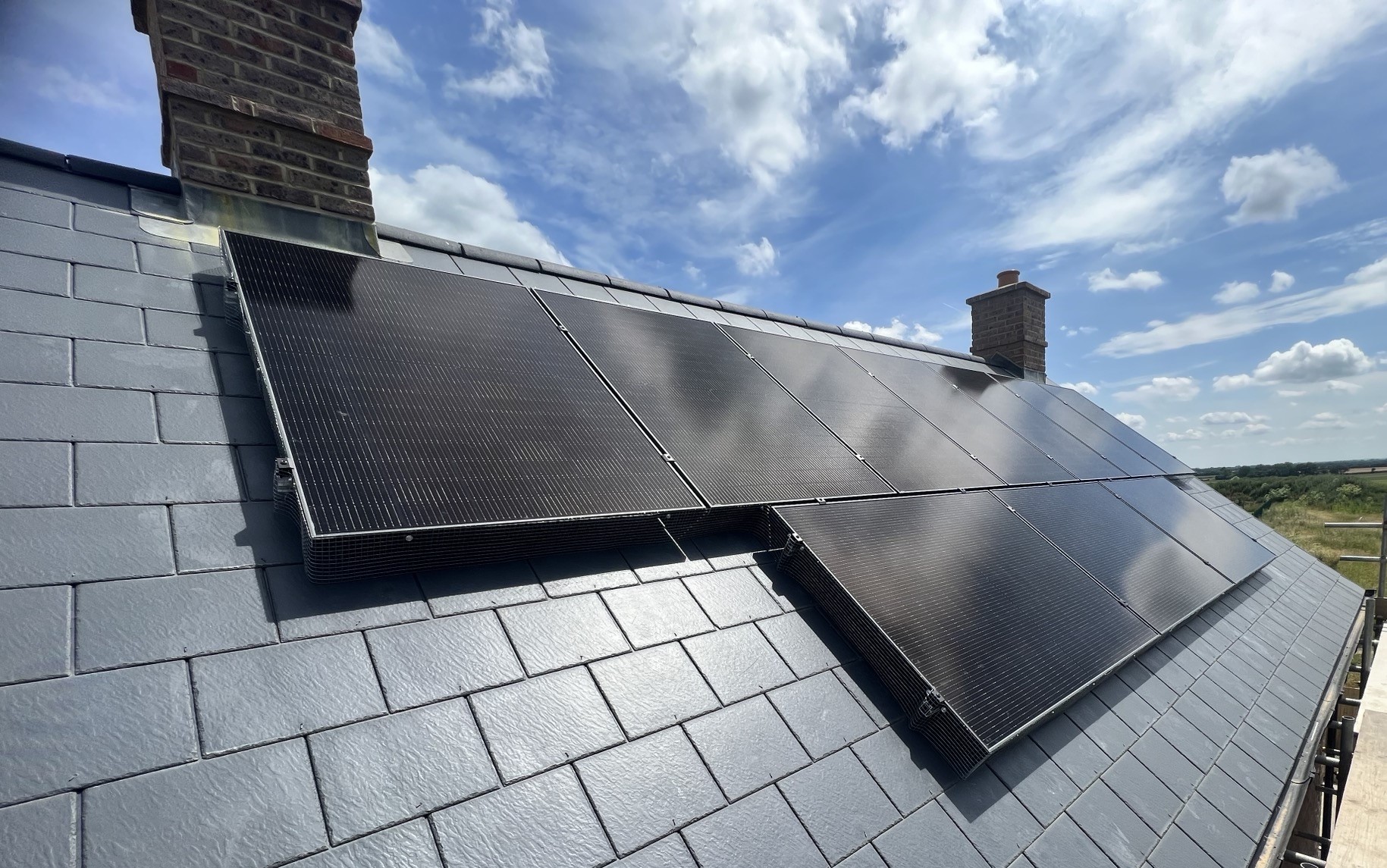
Solar PV allows homeowner to generate electricity on their own property rather than purchasing all of their electricity from an energy supplier. During daylight hours, solar panels can generate electricity for appliances, heating systems, EV chargers and other household loads.
Any surplus electricity can potentially be exported to the grid through a Smart Export Guarantee tariff, while a battery can store surplus solar generation for use later in the day, resulting in less electricity needing to be purchased from the grid.
Solar Panels and Battery Storage
A solar PV system combined with battery storage can help increase the amount of generated electricity that a household uses itself. For example, rather than exporting surplus solar electricity during the middle of the day and buying electricity from the grid in the evening (usually when rates are at their highest), a battery can store some of that surplus energy for use when you need it.
This can be particularly useful for households with higher evening electricity consumption. Battery storage can also provide greater flexibility around electricity tariffs, allowing homeowners to potentially charge the battery from the grid during cheaper periods and use the stored energy when electricity prices are higher, depending on the battery system and tariff.
Solar Doesn’t Eliminate Energy Bills
It’s important to be realistic.
Installing solar panels does not mean a household will never have an electricity bill again. Solar generation varies throughout the year, with production generally much higher during the spring and summer than during the darker winter months. Most homes will still need to import electricity from the grid at certain times.
However, generating and using more of your own electricity can reduce the amount you need to purchase from your supplier. The combination of solar PV, battery storage, energy efficient appliances and an appropriate electricity tariff can therefore form part of a longer term strategy for reducing exposure to energy price volatility.
The January Forecast is Not Yet the Final Price Cap
It’s worth stressing that the figures currently being reported for January 2027 are forecasts rather than confirmed Ofgem rates. The Energy Price Cap is recalculated every three months, and forecasts can change as wholesale energy prices move.
Cornwall Insight’s current forecast is around £1,872 for a typical dual fuel household, while some supplier forecasts are considerably higher. The final January-March 2027 cap will only be confirmed by Ofgem closer to the start of the period.
For homeowners, however, the underlying issue remains relevant regardless of the final figure: energy prices remain exposed to international markets and wholesale gas continues to play an important role in determining the cost of electricity.
Could Solar Help Protect Your Household from Future Energy Price Rises?
Nobody can predict exactly where energy prices will be in five, ten or fifteen years. What homeowners can do is consider how much electricity they currently purchase from the grid and whether generating more of their own energy could make sense for their property.
A correctly designed solar PV system can reduce grid electricity purchases during daylight hours, while battery storage can increase the proportion of solar energy that can be used within the home.
For households considering solar, it’s therefore important to look beyond the headline cost of installation and consider factors such as:
- Current annual electricity consumption
- Roof orientation and available roof space
- Expected annual solar generation
- Current and future electricity tariffs
- Battery storage requirements
- Potential Smart Export Guarantee payments
- Changes in household electricity usage
- The expected lifetime of the system
A Changing Energy Market
The latest energy price forecasts are another reminder that the UK household energy costs remain influenced by factors far beyond the individual home. Global gas markets, geopolitical events, network investment and changes to energy policy can all feed through into household bills.
Solar PV and battery storage cannot remove all of those risks, but they can allow homeowners to generate, store and use more of their own electricity. For households concerned about rising energy costs, that ability to generate more of their own power could become increasingly valuable as the UK energy market continues to evolve.
Thinking About Solar and Battery Storage for Your Home?
SolarTherm UK designs and installs solar PV and battery storage systems across Essex, Kent, Suffolk, Hertfordshire and the wider South East and East Anglia.
Contact our team for a free, no obligation quote and design, tailored to your property, usage and future energy needs. No hard sell, just honest, expert advice – and the time you need to make an informed decision.
Your home. Your energy. Your future.
Frequently Asked Questions
They could. Current forecasts suggest the January 2027 Energy Price Cap may increase, although the final figure will not be confirmed by Ofgem until closer to the start of the new cap period.
Wholesale gas prices remain a major factor, while network costs and other components of household energy bills are also contributing to price increases.
Yes. Solar panels generate electricity for your home, reducing the amount of electricity you need to buy from the grid. The savings depend on your system size, electricity usage, roof and generation conditions.
Yes. A battery can store surplus electricity generated during the day so it can be used later when your solar panels aren’t generating as much, such as during the evening.
Solar cannot eliminate your electricity bill or completely protect you from price changes. However, generating and storing more of your own electricity can reduce your reliance on grid electricity and therefore your exposure to future energy price increases.
No. Figures currently being reported are forecasts. Ofgem will announce the confirmed January–March 2027 Energy Price Cap closer to the time.