2026 Guide for Homeowners
UK energy costs have surged in recent years – rising by roughly 50% since 2020, and peaking at more than double during the 2022-23 crisis. Today, the typical household still spends around £1,600+ annually on gas and electricity, with significantly higher costs in poorly insulated homes.
For many homeowners across Essex, Kent and the wider South East, energy is now one of the biggest monthly expenses.
Here’s the key point: a large portion of that spend is avoidable.
Heat escapes through uninsulated lofts, outdated windows, inefficient heating systems and uncontrolled draughts. Improving your home’s energy efficiency allows you to retain that heat, reduce waste and cut bills – while making your home noticeably more comfortable.
At SolarTherm UK, we’ve been helping homeowners optimise their energy use since 2010, and have built on our experience and expertise over the years. This guide breaks down exactly what energy efficiency means, how your home is measured and which upgrades deliver the strongest returns.
What Is an Energy Efficient Home?
An energy efficient home is designed to maintain a comfortable indoor environment using the least amount of energy possible. That means staying warm in winter without excessive heating and keeping cool in summer. Hot water and power needs to be reliable with energy wastage minimised at every stage.
There are two core principles:
Reduce Energy Demand
This focuses on preventing heat loss in the first place. Installing loft and cavity wall insulation, high performance, double or triple glazed windows and blocking all draughts helps retain heat, meaning you use less energy.
Improve Energy Efficiency
This ensures that the energy you do use works harder. Modern heating systems like heat pumps, with smart controllers and thermostats installed can reduce the amount of energy used to keep your home warm. Installing renewable energy systems like solar PV and battery storage can also help improve the energy efficiency of your home.
The most efficient homes combine both – low energy demand and high performance systems, ideally supported by renewable energy like solar.
What Is a Net Zero Home?
A net zero home produces as much energy as it consumes over a year. In practice, this means lowering energy demand through insulation and efficiency upgrades and generating electricity at source via solar panels, with battery storage to store surplus electricity.
While still relatively uncommon in older UK housing, many properties are now moving closer to this standard – especially with solar and battery systems installed. From 2028, all new build homes will need a solar PV system as standard installed during construction stage.
How Is Energy Efficiency Measured?
In the UK, home energy performance is measured using an Energy Performance Certificate (EPC). Each property is rated from A (most efficient) to G (least efficient) based on insulation levels, heating system performance, window efficiency, lighting and renewable energy presence.
EPC Rating Overview
| Rating | Description |
| A–B | Highly efficient (typically modern or fully upgraded homes) |
| C | Good efficiency (target standard by 2030) |
| D | Average UK home |
| E–G | Inefficient, higher running costs |
Most UK homes currently sit at EPC D, meaning there is substantial room for improvement.
What Is Considered “Energy Efficient” in the UK?
An EPC of C or above is generally considered energy efficient. This is the UK government’s target by 2030, a key benchmark for buyers and mortgage lenders and the point where savings and comfort improvements become significant. Homes rated A or B go further, typically including solar panels, battery storage and advanced heating systems.
How to Check Your Home’s Energy Efficiency
Look Up Your EPC
Search the UK EPC register using your postcode to see current rating, potential rating and recommended improvements.
Get a Professional Assessment
A full energy survey provides deeper insight into heat loss, insulation gaps and renewable potential.
Quick Self Check
Your home may be inefficient if you have:
- Less than 270mm loft insulation
- Uninsulated walls
- Single glazing
- A boiler over 15 years old
- Noticeable draughts
- No renewable energy system
If several of these apply, your property is likely costing more to run than it should.
The 7 Biggest Factors Affecting Energy Efficiency
Insulation – poor insulation is the biggest cause of heat loss. Loft insulation alone can dramatically reduce wasted energy.
Heating system – older gas boilers are far less efficient than modern systems. Upgrading heating can significantly lower energy usage.
Windows and doors – single glazing and draughty frames allow heat to escape quickly.
Airtightness – small gaps around floors, doors and pipework add up to major heat losses.
Hot water efficiency – hot water can account for up to 20% of energy use – inefficient systems waste a lot.
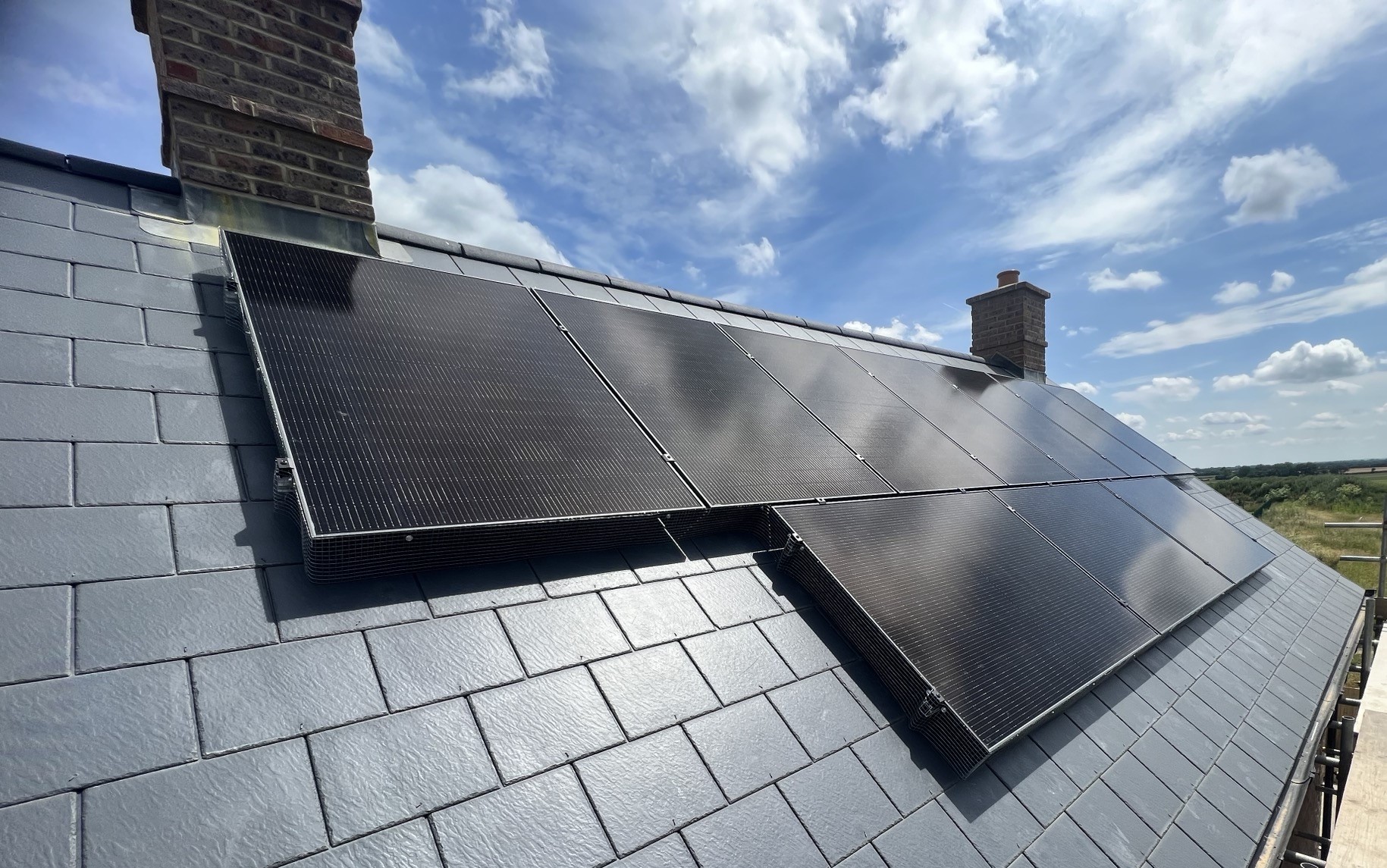
Solar panels and battery storage – installing solar is one of the most impactful upgrades available. At SolarTherm UK, we design bespoke solar and battery systems, tailored to each property – not off the shelf packages. This ensures maximum performance, higher savings and long term reliability.
Smart controls and behaviour – smart thermostats and better usage habits can reduce energy consumption by 10-15% with minimal cost.
Are Energy Efficient Homes Cheaper to Run?
Yes – often significantly. Typical savings include:
- £600-£1,300 per year from insulation and controls
- £600-£1,200 per year from solar panels
- Additional savings with battery storage and smart energy use
Homes moving from very poor efficiency (E-G) to EPC C can save thousands annually depending on size and upgrades. Beyond cost savings, benefits include warmer, more consistent temperatures, reduced reliance on energy suppliers and increased property value.
Do Energy Efficient Homes Sell for More?
Yes. Properties with higher EPC ratings sell faster, achieve higher prices and attract more buyers. Homes rated C or above are increasingly preferred, while inefficient homes are often discounted due to future upgrade costs.
What’s the Best Way to Improve Energy Efficiency?
The most effective approach follows a clear order:
- Improve insulation
- Reduce draughts and heat loss
- Upgrade heating systems
- Add renewable energy (solar and battery)
Skipping straight to solar and efficient heating without addressing heat loss can limit results – especially if you are installing a heat pump – this is why a tailored approach is essential.
Why Choose SolarTherm UK?
With over 15 years of experience, SolarTherm UK is one of the longest serving solar specialists in the South East and East Anglia, specialising in high performance solar and battery storage systems.
We offer:
- Fully bespoke system design – no generic packages
- Expert installation and aftercare
- Systems optimised for maximum ROI and long term savings
- Honest, technically informed advice
Our focus is simple: helping Essex, Kent, Suffolk, Hertfordshire and the wider South East and East Anglia homeowners reduce energy costs, increase independence and future proof their property.
Ready to Start Your Solar Journey?
Contact SolarTherm UK today for a free, no obligation quote and design, tailored to your property, usage and future energy needs. No hard sell, just honest, expert advice – and the time you need to make an informed decision.
Your home. Your energy. Your future.
FAQs
How much can I save by improving energy efficiency?
Savings vary, but most homeowners see reductions of £500–£1,500 per year depending on upgrades.
Is solar worth it in the South East of England?
Yes. The South East receives some of the highest solar output in the UK, making it one of the best regions for solar investment.
What EPC rating should I aim for?
EPC C is the key target, though A or B delivers the greatest long-term benefits.
Do I need a battery with solar panels?
Not essential, but highly recommended. Batteries allow you to store excess energy and maximise savings.
How long does it take to see a return on solar?
Most systems pay back within 6–10 years, depending on usage and system size.