Why Renewable Energy Matters for Homes and Businesses
Energy prices have become increasingly unpredictable over recent years, with global events, fuel supply issues and market fluctuations all influencing the cost of electricity. While no one can control international energy markets, there is one factor helping to reduce their impact on UK consumers: renewable energy.
As the UK continues to invest in solar and wind power, more electricity is being generated from home grown renewable sources rather than imported fossil fuels. This helps improve energy security, reduces exposure to volatile gas prices and provides greater price stability for households and businesses.
At SolarTherm UK, we’ve seen growing numbers of homeowners and businesses across the South East choosing solar PV and battery storage to gain greater control over their energy costs while reducing their reliance on the National Grid.
How Renewable Energy Helps Stabilise Electricity Prices
Unlike gas fired power stations, solar panels and wind turbines do not require fuel once installed. That means operating costs remain relatively stable, regardless of fluctuations in global energy markets.
As renewable generation makes up a larger proportion of the UK’s electricity supply, the country becomes less dependent on imported fuels that can be affected by international events, supply chain disruption or changing market conditions.
The result is a more resilient energy system that helps reduce the impact of sudden wholesale price increases.
The UK’s Renewable Energy Transition
The UK’s renewable energy capacity has grown significantly over the past decade, with substantial investment in both solar PV systems and onshore and offshore wind generation. Today, renewable energy supplies a significant proportion of the UK’s electricity, helping diversify the country’s energy mix and reducing dependence on gas fired generation. Continued investment in clean energy infrastructure is expected to further strengthen energy security while supporting the UK’s long term net zero ambitions.
For property owners across the South East and East Anglia, this national transition reflects a growing desire to generate electricity closer to where it is used, reducing exposure to changing energy prices.
Why Gas Prices Can Be Unpredictable
Natural gas remains an important part of the UK’s energy mix, but its price can fluctuate significantly due to factors including:
- International supply and demand
- Weather patterns
- Infrastructure disruption
- Geopolitical events
- Global economic conditions
As gas often influences wholesale electricity prices, these fluctuations can affect energy bills even for consumers who use relatively little gas directly. Renewable energy helps reduce this exposure by increasing the proportion of electricity generated without relying on imported fuel.
What This Means for Solar Panel Owners
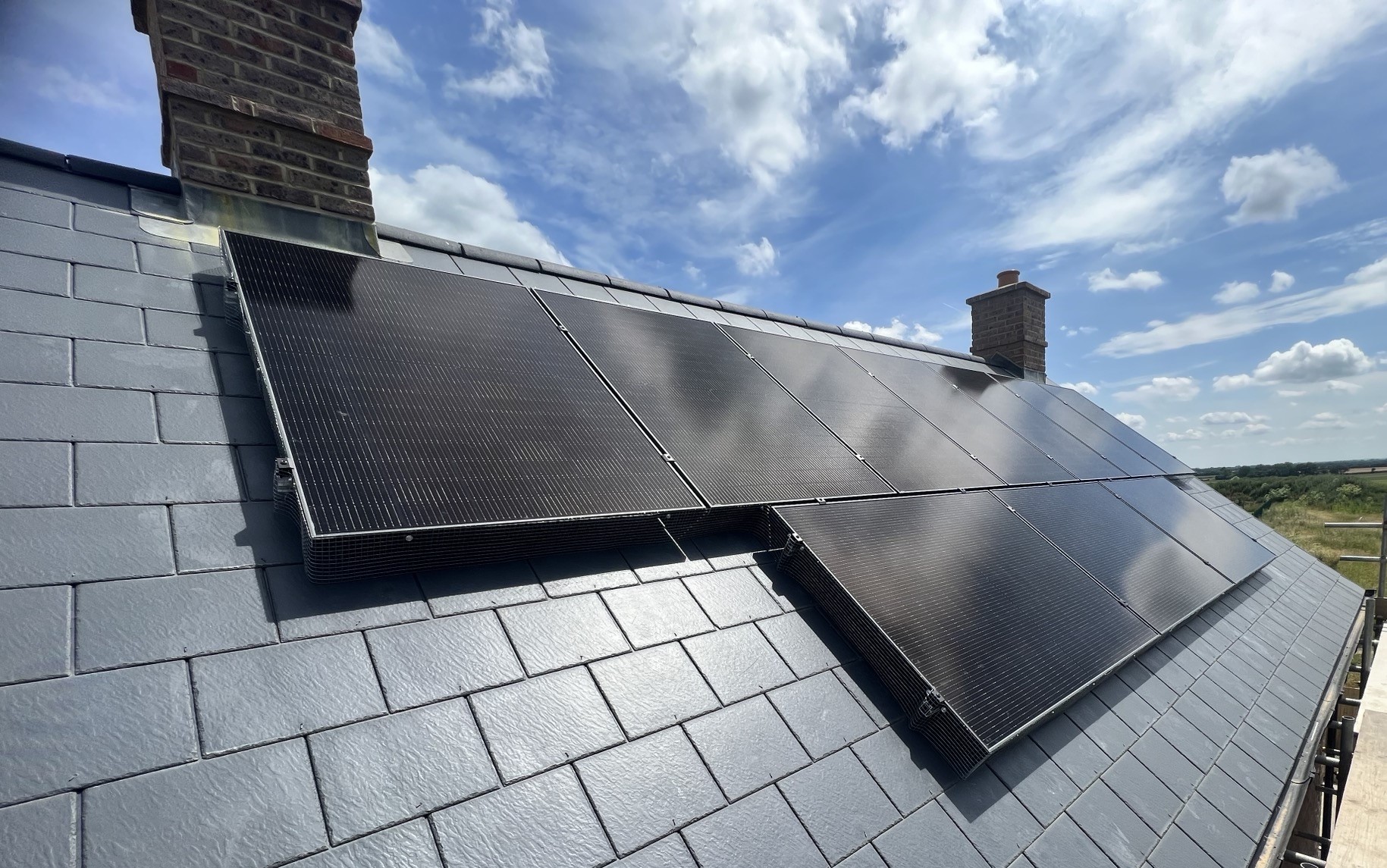
Installing solar panels allows you to generate your own electricity, reducing the amount of energy you need to purchase from your supplier. When paired with solar battery storage, even more of your self-generated electricity can be stored and used during the evening or periods of higher electricity demand, increasing self-consumption and reducing reliance on the grid.
Benefits include:
- Lower electricity bills
- Greater protection from rising energy prices
- Reduced dependence on imported fuels
- Increased energy independence
- Lower carbon emissions
Every unit of electricity you generate and use yourself is one less unit purchased at retail energy prices.
Why More Property Owners Are Choosing Solar
As electricity prices continue to fluctuate, more homeowners and businesses are recognising solar as a long term investment rather than simply an environmental choice. Some of the key benefits include:
- Greater Energy Independence: generate your own renewable electricity and reduce reliance on external energy suppliers.
- Better Control Over Energy Costs: producing your own electricity can help reduce the impact of future tariff increases and wholesale market volatility.
- Strong Long Term Returns: modern solar PV systems are designed to operate for decades, offering attractive long term savings and return on investment when professionally designed and installed.
- Increased Property Appeal: energy efficient homes and commercial properties are becoming increasingly attractive to buyers and tenants, with renewable energy systems often viewed as a valuable long term asset.
Expert Solar Installations from SolarTherm UK
At SolarTherm UK, we design and install high performance solar PV systems and battery storage solutions for homes and businesses across the South East.
Our experienced team provides:
- Bespoke system design tailored to your property
- Premium quality solar panels, batteries and inverters
- Transparent performance projections
- Professional installation
- Ongoing customer support and aftercare
Every property has different energy requirements, which is why we take the time to design systems that maximise generation, improve self-consumption and deliver meaningful long term savings.
The Future of Renewable Energy in the UK
Investment in renewable energy continues to grow, with solar and wind expected to play an increasingly important role in the UK’s electricity network over the coming decades. As renewable generation expands alongside battery storage technology and smarter electricity networks, consumers are likely to benefit from a more resilient, flexible and sustainable energy system.
For homeowners and businesses, investing in solar today is about more than reducing bills – it’s about preparing for the future of energy.
Take Control of Your Energy Costs
Generating your own electricity can help reduce your dependence on rising energy prices while improving your property’s energy efficiency and lowering your carbon footprint.
If you’re considering solar panels or battery storage for your home or business in Essex, Kent, Suffolk, Hertfordshire or the wider South East and East Anglia, SolarTherm UK can help with a complete solution to your home’s energy needs.
Contact SolarTherm UK today for a free, no obligation quote and design, tailored to your property, usage and future energy needs. No hard sell, just honest, expert advice – and the time you need to make an informed decision.
Your home. Your energy. Your future.
FAQs
Is solar still worth it in the UK with changing energy prices?
Yes. In fact, rising and volatile energy prices make solar more valuable, as it reduces your dependence on the grid.
How much can I save with solar panels?
Savings vary depending on system size and usage, but many South East homeowners see significant reductions in electricity bills—especially when paired with battery storage.
Do solar panels work well in the UK climate?
Absolutely. Modern solar panels are highly efficient even in cloudy conditions and generate electricity year-round.
Should I add a battery to my solar system?
In most cases, yes. Battery storage allows you to maximise self-consumption and reduce reliance on peak-rate electricity.
How long does a solar installation take?
Most residential installations are completed within 1–2 days, with minimal disruption.