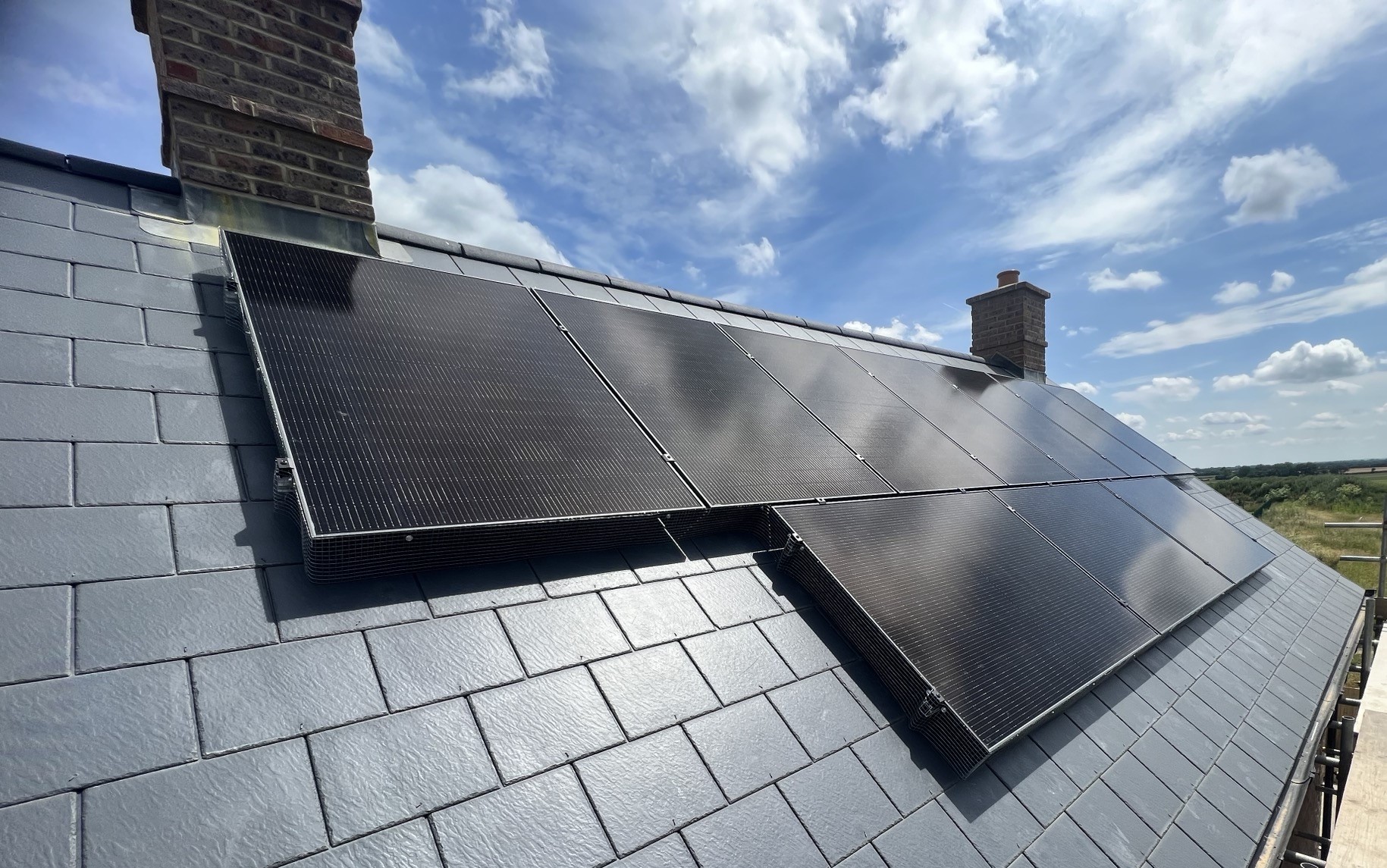
Choosing the right solar PV system size is one of the most important decisions when investing in solar panels. A system that is too small may not deliver the savings you expect, while an oversized system could mean unnecessary upfront costs that take longer to repay.
For homeowners across the South East, where electricity prices are higher and solar performance is strong, getting the sizing right is essential to maximising return on investment.
This guide will explain how solar PV system size is calculated, what affects it and how to determine the best solution for your home.
Why Solar PV System Size Matters
The size of your solar PV system determines how much electricity your solar panels can generate, how much grid electricity you can offset and whether battery storage will be beneficial. Your potential savings and payback period is also determined by the solar PV system you choose to install.
Typical Solar PV System Sizes
Most residential solar PV systems fall into one of the following ranges:
3-4 kWp System
- Suitable for small to average households
- Typically 8-12 solar panels
- Covers a significant portion of daytime electricity use
- Ideal for homes with limited roof space
5-6 kWp System
- Well suited to family homes
- Typically 12-16 solar panels
- Higher generation and improved savings
- Works particularly well with battery storage for around the clock solar electricity
7 kWp+ System
- Large homes or high electricity users
- Ideal for properties with electric vehicles, heat pumps and home offices
- Maximises self-generated electricity
- Best for homes with vast roof space
Key Factors That Determine the Right System Size
There is no “one size fits all” answer when it comes to solar. A professional and experienced installer will design a customised system that is tailored to your property, usage and needs, determining the correct system size depending on several factors.
Household Electricity Usage
Your annual electricity consumption is the starting point. Homes with higher usage benefit from larger systems that can offset more grid electricity.
Roof Space and Layout
The size, shape, pitch and orientation of your roof all influence how many solar panels can be installed. South facing roofs in the South East typically achieve the best results, but east- and west-facing systems can still perform well, generating a significant amount of your daily electricity use.
Daytime Energy Use
If you use more electricity during the day, you will benefit more directly from your solar PV system. Homes that are empty during the day may benefit from adding battery storage. You can also make use of smart technology, timers and plugs to use more of your self-generated electricity during the day.
Future Energy Plans
Planning to install an EV charger, heat pump or battery storage? Designing a system with future expansion in mind often makes financial sense.
How Much Electricity Will Different System Sizes Generate?
As a general guide in the South East:
- 4kWp system: approximately 3,400-3,800 kWh per year
- 5kWp system: approximately 4,200-4,800 kWh per year
- 6kWp system: approximately 5,000-5,700 kWh per year
Actual performance will depend on roof orientation, shading and system design. Ask your installer for detailed estimates of performance for the system that is being installed on your property. At SolarTherm UK we are proud to be a Gold Member of EPVS (Energy Performance Validation Scheme) who verify all our quotes and estimates ensuring they are accurate and not over-inflated.
Should You Size for Today or the Future?
Many homeowners will now choose a slightly larger solar PV system than their current usage requires to protect themselves against rising energy prices and prepare for the future. A larger system will support future EV or heat pump installation and improve long term savings. With export payments through the Smart Export Guarantee (SEG) and battery storage options readily available, surplus generation rarely goes to waste.
Why Professional Solar PV Design Matters
Online calculators can provide rough estimates, but accurate system sizing requires a professional assessment. A properly designed systems considers roof geometry, full shading analysis and correct sizing of your inverter. DNO (Distribution Network Operator) approval also needs to be considered, if your local area has many residential solar installations, you may be limited on system size or export levels.
Solar is a long term investment and a well designed system can perform efficiently for decades, saving you money and reducing your carbon emissions.
Get the Right Solar PV System for Your Home
The right solar PV system size balances generation, usage, roof space and long term plans. For homeowners across Essex, Kent, Suffolk, Hertfordshire and the wider South East and East Anglia, a professionally designed system ensures you achieve maximum savings, reliability and return on investment.
If you are considering solar panels and want expert guidance on the ideal system size for your home, SolarTherm UK can help. Contact us today for a free, no obligation quote and design, tailored to your property, usage and future energy needs. No hard sell, just honest, expert advice – and the time you need to make an informed decision.
Your home. Your energy. Your future.
Frequently Asked Questions
The right system size depends on your household electricity consumption, available roof space, roof orientation and pitch, and how much electricity you want to generate yourself. A professional solar survey can help determine the most suitable system for your home.
Not necessarily. A larger system can generate more electricity, but if your home cannot use or store the additional energy, the extra panels may not provide the best return on investment. System size should be matched to your energy usage and available roof space.
There is no single number that suits every home. A typical domestic system might use around 8–14 panels, but the number required will depend on the panel wattage, your electricity consumption and the amount of suitable roof space available.
A battery can help you make greater use of the electricity your panels generate by storing surplus energy for later. This can be particularly useful for households with higher evening electricity consumption or lower daytime usage.
Potentially, although this depends on your roof space, inverter capacity, electrical setup and DNO requirements. It is worth considering your future energy needs when designing the original system.