If you had £8,000 available today, would it work harder sitting in a bank account – or powering your home through a solar PV system?
With energy prices volatile and interest rates fluctuating, homeowners across the South East are asking a more financially focused question:
“Is solar just about sustainability – or is it actually a smart investment?”
Let’s break it down properly using realistic comparative modelling.
Scenario 1: £8,000 in the Bank for 10 Years
Let’s assume you place £8,000 in a savings account earning an average of 3% interest annually (many easy-access accounts pay far less).
Using compound interest:
- Year 1: £8,240
- Year 5: £9,274
- Year 10: £10,746
Total gain after 10 years: ~ £2,746
However, two important factors reduce the real benefit; inflation reduces purchasing power and interest rates are variable and often drop. If inflation averages 3-4%, your “real” return could be closer to zero in practical terms. So while the figure looks higher on paper, the actual buying power improvement may be modest.
Scenario 2: £8,000 Invested in a Solar PV System
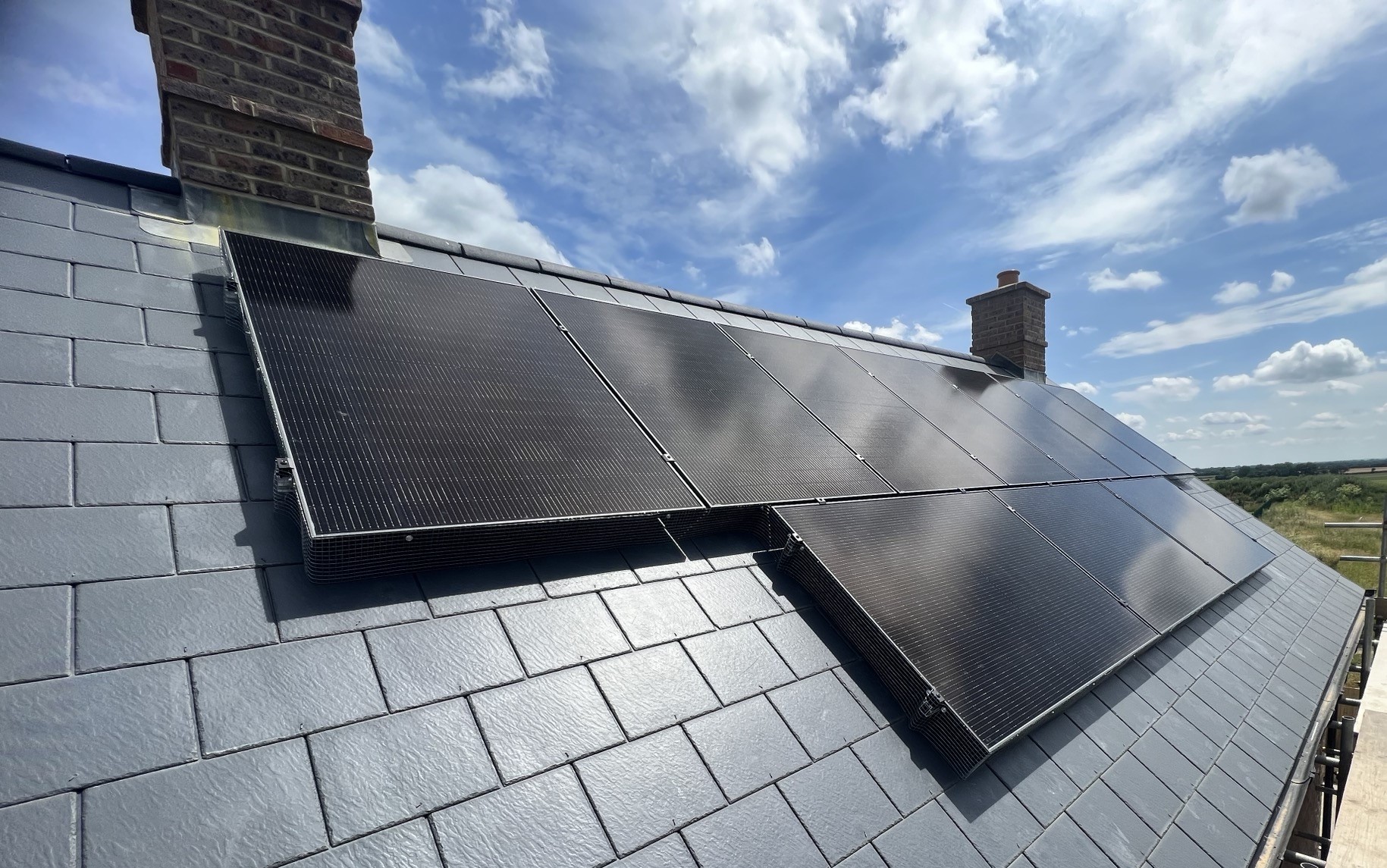
An £8,000 investment in the South East typically funds a 4-5kW solar panel system, with high efficiency panels, a modern inverter and optional battery ready setup.
In the South East, a 4-5 kW system can typically generate:
- 3,800-4,500 kWh per year
- Annual bill savings of £900-£1,200 (depending on usage and export rates)
- Additional SEG export payments
Let’s model conservatively:
- £1,000 annual savings average
- 10 years = £10,000 saved
- System still producing for a minimum of 30 years, with many going on to generate electricity effectively for 40 years or more
Even without energy price rises, that already exceeds the bank return.
The Energy Inflation Hedge
Here’s where solar becomes powerful financially. Energy prices historically rise faster than general inflation. If electricity increases by even 5% annually, your savings compound too. Instead of static £1,000 per year, your avoided cost rises:
- Year 1: £1,000
- Year 5: £1,215
- Year 10: £1,551
Total 10-year benefit could exceed £12,500-£14,000 depending on usage. Your bank interest does not hedge energy inflation – solar does.
Adding Battery Storage: Accelerating ROI
Adding battery storage increases self-consumption from around 35% to 70-80%, saving even more on your electricity bills and protecting you from purchasing expensive peak rate electricity in the evenings.
Battery storage also gives you access to cheap overnight tariffs for charging your battery and further reducing your dependence on peak rate imports. With the right configuration, battery storage can also give you backup power for critical circuits during grid power failures.
Financially, this improves long term yield and shortens your payback period.
Asset Appreciation: The Often Overlooked Factor
A professionally installed solar panel system can improve EPC rating, increase buyer appeal and reduce future running costs. In the South East property market, energy efficient homes command strong interest and higher prices.
While solar isn’t guaranteed to increase valuation pound for pound, it improves liquidity and attractiveness which is often just as important.
Money in the bank does not improve your property’s appeal.
10-Year Comparison Summary
| Factor | £8,000 in Bank | £8,000 in Solar |
| Estimated 10-Year Gain | ~£2,746 | £10,000–£14,000 |
| Inflation Protection | No | Yes (energy hedge) |
| Ongoing Returns After 10 Years | Interest only | 15–20+ more years production |
| Property Benefit | None | EPC & buyer appeal boost |
| Control Over Outcome | Low | High (reduce own bills) |
The Strategic Difference
Money in savings is passive. A solar PV system is a productive asset:
- It generates electricity
- It offsets rising costs
- It improves home efficiency
- It reduces reliance on volatile suppliers
Unlike many financial products, solar returns are largely under your control – driven by your consumption patterns rather than financial markets.
Why This Matters in the South East
Essex, Kent, Suffolk, Hertfordshire and the wider South East and East Anglia benefit from strong solar irradiation levels compared to the rest of the UK and suffer from higher than average electricity costs. This combination makes solar panel installation particularly compelling from a financial modelling perspective.
Is Solar a Guaranteed Investment?
No investment is completely risk free. However, compared to variable interest rates, inflation erosion and ongoing energy market volatility, a properly designed solar PV system offers predictable generation and long term control over your energy bills. With a typical modern system lifespan of 30 years or more and tangible bill reduction from day one, solar is a safer hedge against ongoing cost of living struggles.
The Bottom Line
If your goal is:
- Protecting against energy inflation
- Improving household cash flow
- Strengthening long term financial resilience
- Adding value to your property
Then £8,000 in solar panels in the South East typically outperforms £8,000 sitting in a savings account over a 10-year horizon.
The difference isn’t just environmental.
It’s financial strategy.
Ready to Start Your Solar Investment?
Contact SolarTherm UK today for a free, no obligation quote and design, tailored to your property, usage and future energy needs. No hard sell, just honest, expert advice – and the time to make the right financial decision for your household.
Your home. Your energy. Your future.