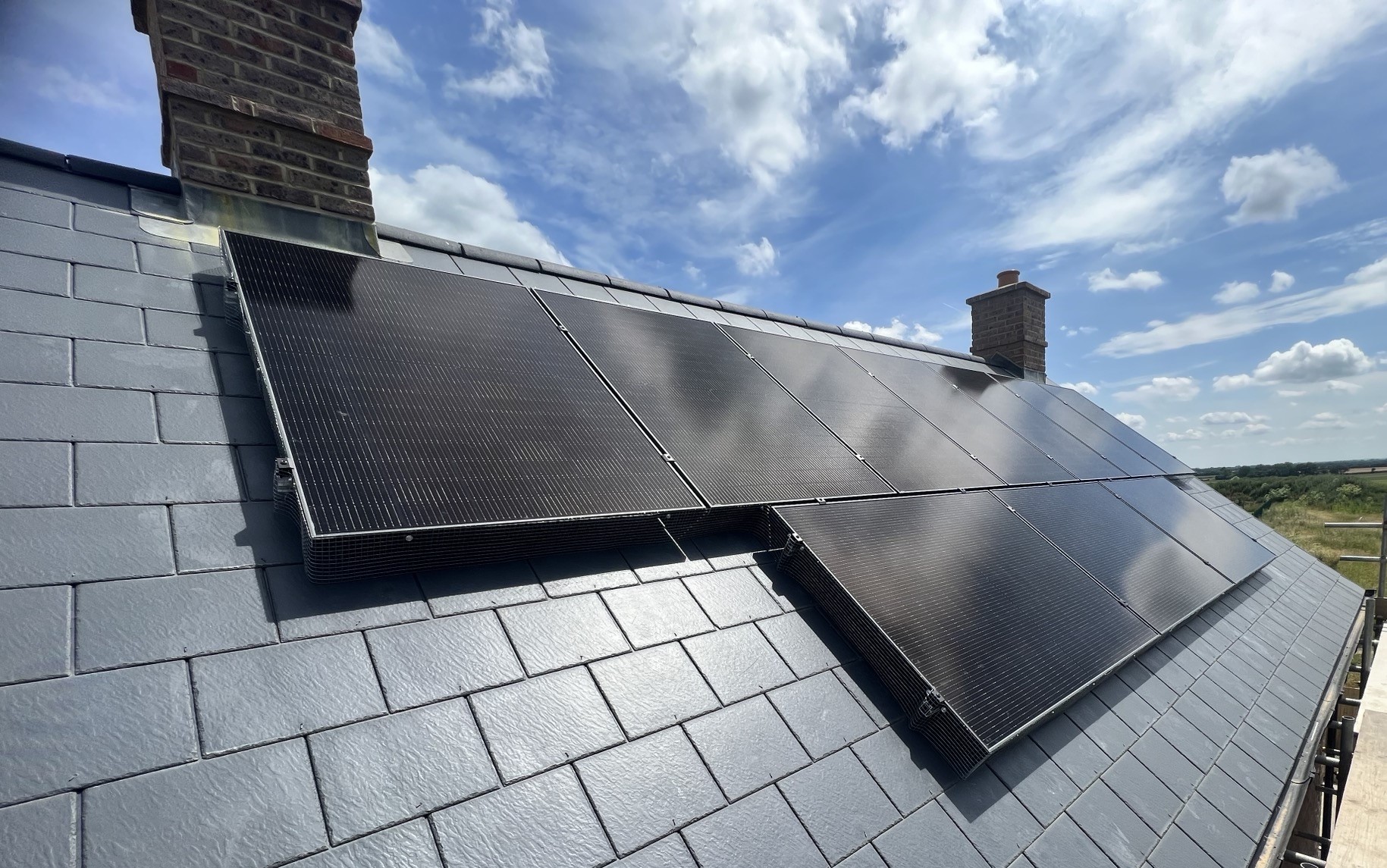
Solar panels are one of the most effective ways for homeowners across Essex, Kent, Sussex and the wider South East to move towards true energy self-sufficiency. By generating clean electricity from daylight, you can reduce reliance on the National Grid, lower monthly energy bills and significantly cut your carbon footprint.
Why You Can Trust SolarTherm UK
As one of the region’s leading solar energy specialists, SolarTherm UK only installs the highest performance solar panels, solar PV systems and solar battery storage, designed for maximum efficiency for your property. With over 15 years experience in the solar industry, we are one of the longest running solar companies in the South East, installing thousands of solar PV systems for homeowners and businesses alike.
Can Solar Panels Make Your Home Energy Self-Sufficient?
Becoming energy self-sufficient is absolutely possible with the right solar PV system and smart planning. Solar panels generate electricity during daylight hours, and when paired with a solar battery, homeowners can make use of surplus electricity stored in your solar battery in the evenings or when you need it most.
Maximising Your Solar Energy Use
Investing in an efficient solar PV system is an excellent first step, but making your home truly energy efficient takes smart planning and clever energy use. Here are some practical ways to get the most from your solar panels.
Optimise Energy Usage During Daylight Hours
Solar panels generate electricity during the day, shift your energy use so that your most energy draining appliances are running while your electricity is free from your solar panels. Using smart timers and plugs can help you use more of your self-generated free electricity as it’s being produced. Switching your heating to electric heating such as a heat pump or underfloor heating can reduce your gas bill and increase self-consumption of your free electricity.
Upgrade to Energy Efficient Appliances
Old, inefficient appliances use far more electricity than modern, A-rated alternatives. If you need to replace an appliance, consider an energy efficient alternative, the higher price tag will soon pay for itself in savings.
Reduce Energy Waste
Improving your home’s efficiency helps every unit of solar energy go further:
- Switch to LED bulbs
- Turn off standby devices
- Improve insulation to maintain stable indoor temperatures
Install Solar Battery Storage
For homeowners looking to maximise self-sufficiency, a solar battery is essential. A battery stores surplus energy generated during the day for use in the evenings or when you need it most. While adding a solar battery incurs an additional upfront cost, the savings your solar battery produce usually pay for themselves in a short period of time.
Keep Your Solar Panels Clean
Dust, shading and debris can reduce your solar panels’ efficiency, reducing output. Keeping your panels clean ensures consistent performance year round. Trimming back overgrown trees or bushes that can cause shade to fall on your panels will also help keep your panels working to their optimal level.
Benefit from the Smart Export Guarantee (SEG)
If your solar panels produce more electricity than you can use or store, you can sell the excess back to the grid and receive payment under the Smart Export Guarantee.
Maximise Your Solar Savings With the Latest Solar PV Technology
Modern solar panels are more efficient, durable and powerful than ever before. Choosing a trusted installer who is MCS certified ensures your system delivers maximum performance and optimal returns.
At SolarTherm UK we supply and install the latest solar panels, solar PV systems and solar battery storage solutions across Essex, Kent, Sussex and the wider South East. Our systems are designed to help homeowners cut energy bills, boost sustainability and achieve energy independence.
Contact SolarTherm UK today for a free, no obligation quote and design, tailored for your property, usage and future energy needs. No hard sell, just honest, expert advice.
Your home. Your energy. Your future.
FAQs
Can solar panels really make my home energy self-sufficient?
Yes. A well-designed solar PV system can significantly reduce your reliance on the National Grid. While solar panels generate most electricity during daylight hours, adding a solar battery increases your ability to use solar energy around the clock, bringing you much closer to full energy self-sufficiency.
Do I need a solar battery to be fully self-sufficient?
A solar battery isn’t essential, but it is highly recommended. Without battery storage, unused daytime energy goes back to the grid. With solar battery storage, you can store this excess electricity and use it in the evenings or during poor weather—maximising independence from the grid.
How much roof space do I need?
Most homes in Essex, Kent and Sussex need between 15–30m² of south-, east- or west-facing roof space for a typical solar PV installation. The exact space required depends on your energy usage and the type of solar panels chosen. SolarTherm UK can assess your roof during a free consultation.
What happens if I generate more electricity than I use?
If your solar panels produce more electricity than your home needs, the surplus can be stored in your solar battery or exported back to the National Grid through the Smart Export Guarantee (SEG). This means you can earn money from unused energy.
Does solar energy self-sufficiency work in the UK’s weather?
Yes. Modern solar panels are designed to work efficiently even on cloudy days. While output is higher in summer, homeowners across the UK benefit from solar energy all year round. A solar battery helps store excess energy generated during brighter periods for use later.