How NESO’s New Connection Rules Could Impact Solar and Battery Storage
The UK electricity grid is undergoing major reform in 2026, and these changes could significantly affect how solar and battery storage projects are delivered across the country.
For homeowners considering solar panels and battery storage in the South East, the reforms introduced by the National Energy System Operator (NESO) aim to tackle one of the UK’s biggest clean energy challenges – the long queue for grid connections.
While the new system is designed mainly for large energy projects, the impact will ripple across the entire renewable energy sector, including residential solar installations.
Why the UK Grid Connection System Is Changing
At the start of 2025, the UK had the largest renewable energy grid connection backlog in Europe. Thousands of projects – including solar farms, battery storage facilities and wind farms – were waiting years to connect to the electricity network.
To resolve the issue, NESO introduced a new “gated” connection process, designed to prioritise projects that are most likely to be built and deliver energy sooner. Projects are now categorised into connection groups called “gates”.
These include:
- Gate 2 – Phase 1: projects expected to connect by 2030
- Gate 2 – Phase 2: projects planned for 2035 connections
The aim is to create clearer timelines and faster deployment for viable projects, while filtering out speculative developments that may never be built.
A Shift Towards Smarter Solar Development
One noticeable trend emerging from the reforms is the increasing focus on optimising existing grid infrastructure. Developers are now looking at ways to increase capacity at locations that already have land agreements, existing grid connections and planning permissions.
Rather than waiting years for new grid access, developers are maximising the potential of sites already connected to the network. This shift could help accelerate renewable energy growth while reducing delays caused by grid constraints.
Smaller Solar Projects Are Moving Faster
While large transmission level projects still face uncertainty, smaller solar installations are progressing much more quickly. Solar projects under 5MW, typically connected to the local distribution network can now move from concept to construction in as little as 12 months.
This is encouraging for the residential and small commercial solar market, where installations connect at the local network level rather than the national transmission grid.
For homeowners in the South East, this means solar panel installations are unlikely to face the same delays affecting large scale energy developments.
Supply Chain Pressure Is Likely
Industry experts also expect the reforms to trigger a wave of construction activity across the renewable sector. As more projects receive confirmed connection timelines, developers may rush to secure critical equipment such as solar panels, battery storage systems, transformers and electrical switchgear. When multiple projects move forward simultaneously, supply chain demand increases, which can place pressure on manufacturing and delivery timelines.
Why Solar Panels and Batteries Are Becoming the Ideal Combination
Another key takeaway from the grid reforms is the growing importance of solar and battery storage working together. Experts increasingly view solar plus storage systems as the most practical and financially resilient solution. Battery storage allows surplus solar energy generated during the day to be stored and used later, which helps:
- Reduce reliance on the grid
- Improve energy independence
- Manage fluctuations in electricity prices
- Support grid stability
For homeowners installing solar panels, adding a battery system can significantly increase the value of their system by maximising the amount of solar energy used within the home.
Stronger Projects Are Moving Ahead
The new grid rules also introduce stricter financial and delivery checks for large energy projects. Developments must now demonstrate financial viability, realistic construction timelines and planning progress. Projects that cannot meet these requirements may lose their grid position, helping ensure that only credible developments move forward. This approach is expected to remove weaker projects from the queue, allowing viable renewable energy projects to connect sooner.
Location Still Matters for Renewable Energy
Grid capacity and government energy targets are influencing where renewable projects are being prioritised. Some regions have more available capacity than others, which means location plays an important role in determining where new energy infrastructure is built.
For homeowners in the South East, demand for clean energy remains extremely strong, particularly as electricity prices continue to fluctuate and more households seek energy independence.
What This Means for Homeowners Considering Solar
Although these reforms mainly affect large scale energy projects, the wider message is clear: the UK is accelerating its transition to renewable power. For households considering solar panels, this creates several opportunities:
- Greater investment in clean energy infrastructure
- Increasing availability of battery storage solutions
- Growing support for decentralised energy generation
- Long term protection against rising electricity costs
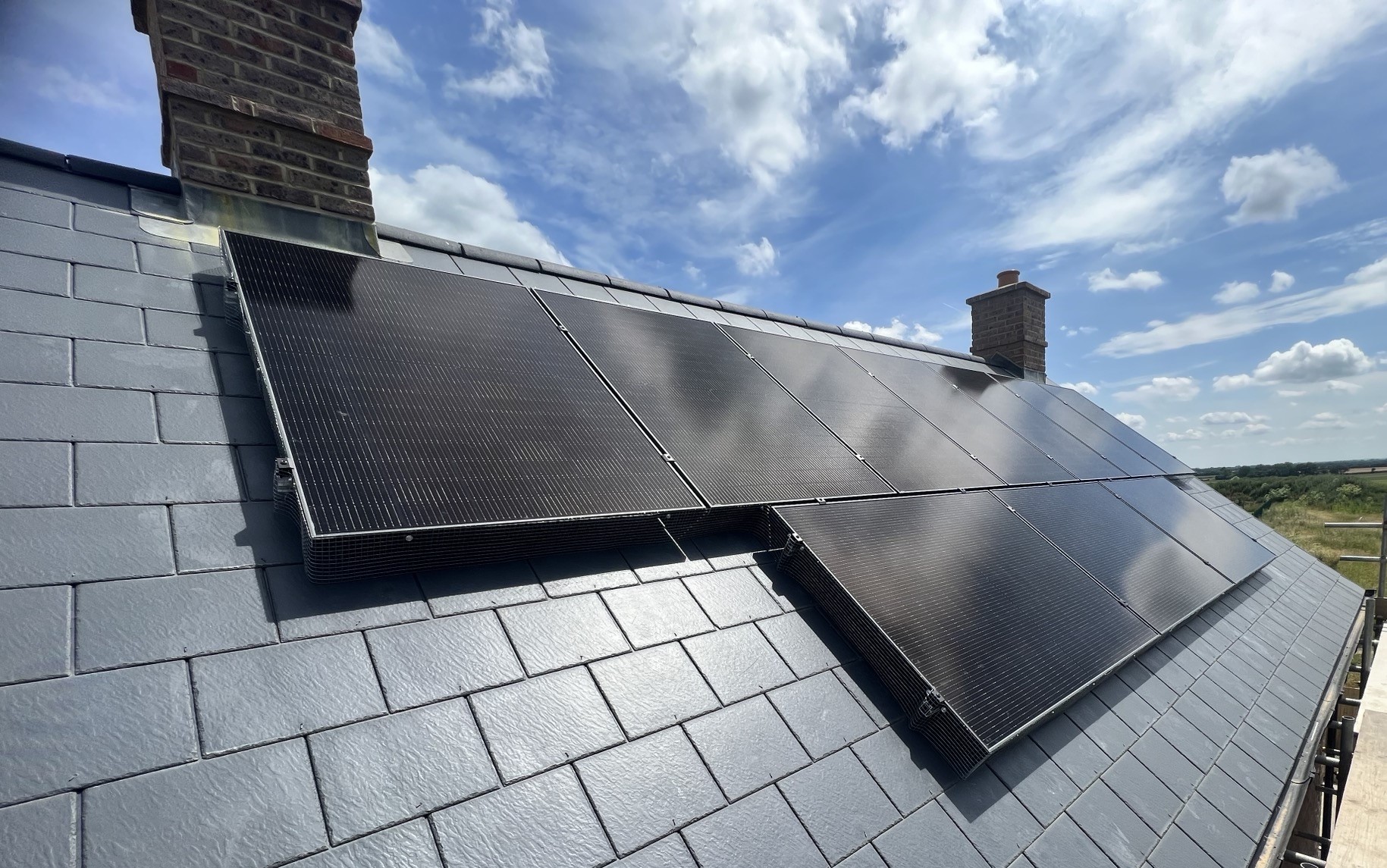
Installing solar panels allows homeowners to generate their own electricity, reduce energy bills and future proof their home against changing energy markets.
Solar Power Is Becoming Central to the UK’s Energy Future
As the UK works towards its clean energy targets for 2030, solar power and battery storage will play an increasingly important role in the electricity system. The reforms introduced by NESO aim to ensure the projects that move forward are deliverable, financially secure and able to contribute to the UK’s renewable energy goals.
For homeowners, the shift highlights the growing importance of local energy generation through rooftop solar systems.
Considering Solar Panels in the South East?
At SolarTherm UK, we specialise in solar panel and battery storage installations for homes across in Essex, Kent, Suffolk, Hertfordshire and the surrounding South East and East Anglia. Our team helps homeowners reduce electricity bills, improve energy independence and future proof their homes against rising energy costs.
If you’re exploring solar panels or battery storage for your home, our solar specialists can provide a free, no obligation quote and design, tailored to your property, usage and future energy needs. No hard sell, just honest, expert advice – and the time you need to make an informed decision.
Your home. Your energy. Your future.
Frequently Asked Questions
For most homeowners, the reforms are unlikely to cause significant delays. The new connection rules are primarily focused on large-scale energy projects, while residential solar installations generally connect to the local distribution network.
Your installer will assess your proposed system and handle any required DNO (Distribution Network Operator) notification or application. The requirements depend on the size and type of system being installed.
Yes. Battery storage can help homeowners use more of their own solar electricity, reducing reliance on the grid and making it easier to manage changing electricity prices.
The reforms themselves do not directly determine residential solar prices. However, increased demand for solar equipment, batteries and electrical components could put pressure on supply chains and affect availability and pricing.
For homeowners looking to reduce electricity bills and generate more of their own energy, solar remains an attractive long-term investment. Adding battery storage can further increase the amount of generated electricity used within the home.