Solar PV for Small Businesses: Lowering Overheads in 2026
Energy costs remain one of the largest and most volatile overheads for small businesses in the UK. For companies across the South East, from independent retailers to light industrial units and offices, installing solar is no longer a green gesture – it’s a strategic financial decision.
With electricity prices still significantly higher than historic averages and ongoing uncertainty in the wholesale market due to global political battles, solar panels and battery storage provide cost control, resilience and long term savings.
Here’s why more small businesses in the South East are turning to solar in 2026.
Why Energy Costs Are Hurting Small Businesses
Small businesses typically pay higher per unit electricity rates than large corporations and many are tied to fixed term contracts negotiated during peak pricing periods. Higher daytime electricity usage reduces the ability to absorb price spikes.
Unlike households, most small businesses consume the majority of their electricity during daylight hours – exactly when solar panels are generating the most power. This makes commercial solar PV systems particularly effective.
How a Solar PV System Reduces Overheads
A properly designed solar PV system reduces operating costs in three key ways:
Self-Consumption = Immediate Savings
Every kilowatt hour (kWh) you generate and use on-site is electricity you don’t buy from the grid. In 2026, commercial electricity rates make self-consumption extremely valuable.
Protection Against Future Price Rises
Installing solar panels fixes a large portion of your electricity cost for 30 years or more. While grid prices fluctuate, your solar generation remains predictable.
Export Revenue
Any excess electrcitiy can be exported to the grid via the Smart Export Guarantee (SEG), tariffs vary so it’s best to shop around to find the most suitable tariff for your usage and export.
Why Battery Storage Is a Game Changer for SMEs
While solar panels generate electricity during the day, battery storage allows you to:
- Store excess solar for use in the evening
- Reduce peak time grid imports
- Improve overall self-consumption
- Provide backup resilience
For businesses operating beyond standard 9-5 hours – such as restaurants, gyms or workshops – battery storage significantly increases the financial return of a solar PV system.
In many South East installations, adding battery storage improves payback periods while increasing energy independence.
Typical Business Applications in the South East
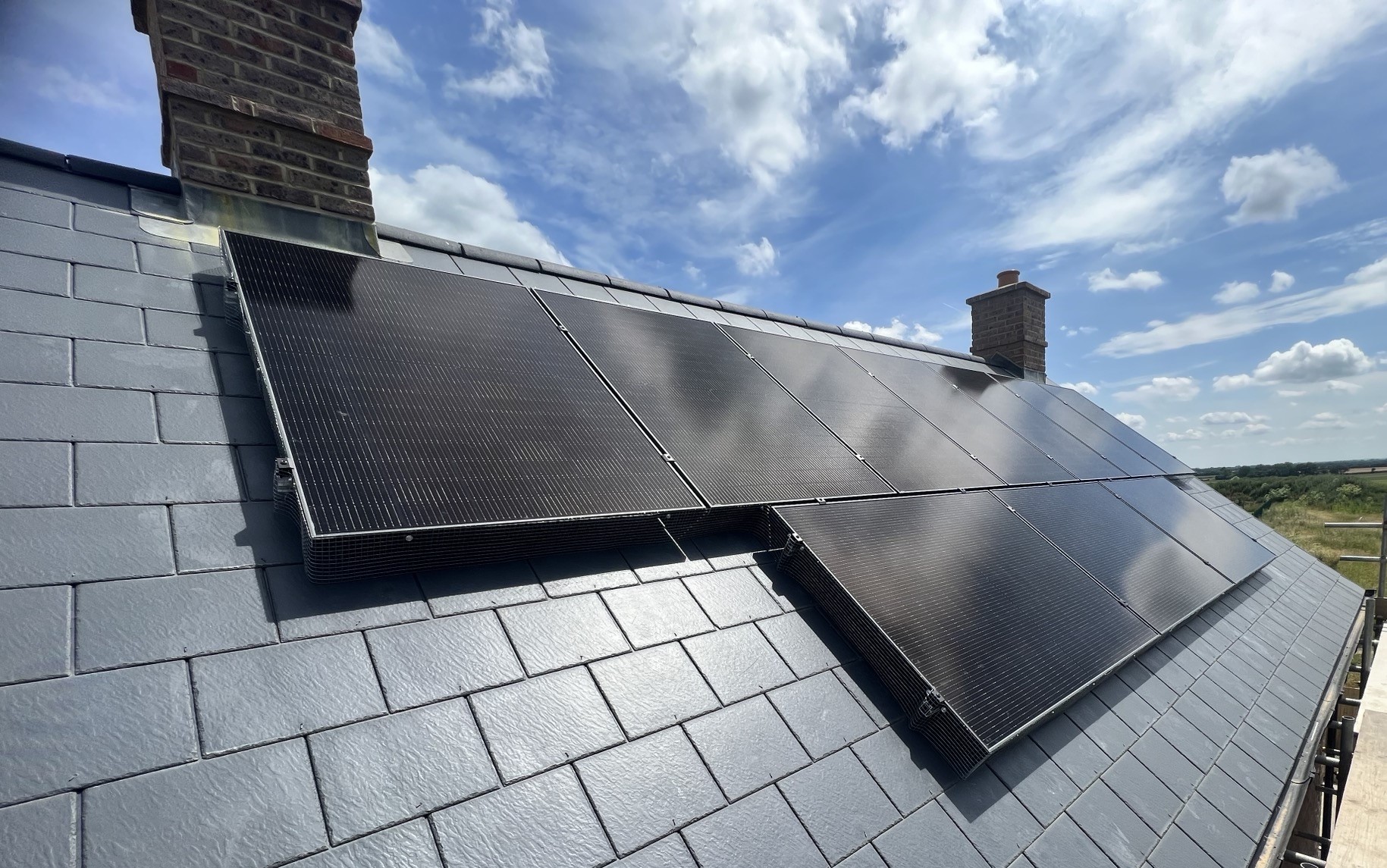
At SolarTherm UK we regularly install commercial solar PV systems. Whether you own a small retail business or are operating large warehouses and agricultural buildings, there’s a solar PV solution for your business. The South East benefits from strong solar irradiance compared to many other UK regions, meaning systems here typically generate excellent annual yields, leading to shorter payback periods and higher long term financial gains.
Financial Performance in 2026
Although every business is different, small commercial systems in the South East commonly show:
- Strong first year savings
- 3-6 year typical payback periods
- 30 years (or more) asset lifespan
- Significant lifetime return on investment
With capital allowances and financing options available, many small businesses are choosing structured payment models where energy savings exceed finance costs from year one.
Beyond Cost: Reputation and Compliance
In 2026, sustainability is increasingly tied to commercial competitiveness. Partners, consumers and suppliers are more consistently seeking out businesses that demonstrate a long term commitment to sustainability practices. Installing solar panels supports:
- ESG reporting
- Tender qualification requirements
- Carbon reduction targets
- Brand positioning
- Customer expectations
Why Installer Quality Matters
Choosing an installer is not just about getting the right price, commercial solar is not a one size fits all product. System design needs to be planned and thoroughly investigated to ensure load profiles, roof structure and orientation and grid limitations are considered. Your system needs to be planned to allow for future expansion, battery integration and smart monitoring and reporting.
An incorrectly sized system can reduce financial performance. A well designed solar PV system maximises return on investment and long term reliability. Working with an experienced, local installer, like SolarTherm UK ensures you receive third party EPVS verified yield and savings forecasting, proper compliance and certification and long term ongoing support. At SolarTherm UK, our MCS accredited installers have over 15 years experience and are dedicated to providing you with the best system, tailored to your property and energy needs.
Is 2026 the Right Time to Install Solar?
For many small businesses, the real question is no longer “should we install solar?”, it’s now “when do we install solar?” With energy prices unlikely to return to pre-2021 levels and technology more efficient and affordable than ever before, delaying installation often means continuing to overpay for electricity.
Lower Your Overheads with SolarTherm UK
At SolarTherm UK, we design and install commercial solar PV systems across the South East, tailored to your building, usage profile and growth plans. We focus on performance, transparency and long term reliability – not overselling system size or unnecessary add ons.
If you’re a small business looking to reduce your overheads, improve resilience and take back control of your energy costs in 2026, speak to our team today. Contact SolarTherm UK for a free, no obligation quote and design, tailored to your property, usage and future energy needs. No hard sell, just honest, expert advice.
Your business. Your energy. Your future.