If you’re looking to make your home more energy efficient, heat pumps and solar panels are two of the smartest investments available. Individually, they can significantly reduce your reliance on fossil fuels and rising energy prices. Together, they create a highly efficient renewable energy system that lowers your electricity bills, reduces carbon emissions and increases your home’s energy independence.
For homeowners across Essex, Kent, Suffolk, Hertfordshire and the wider South East and East Anglia, combining solar technology with an air source heat pump is becoming an increasingly popular way to future proof a property. Add solar battery storage into the mix and you can maximise the amount of clean energy you generate and use every day.
At SolarTherm UK, we’ve been designing and installing renewable energy systems for more than 16 years. As an MCS certified, NICEIC approved installer and covered by EPVS Gold Standard membership, we help homeowners understand how different renewable technologies work together to achieve the best possible performance.
Why Pair Solar Panels with an Air Source Heat Pump?
An air source heat pump extracts heat from the outside air and uses electricity to warm your home and hot water. Although incredibly efficient, it still requires electrical power to operate.
This is where solar panels become the perfect partner.
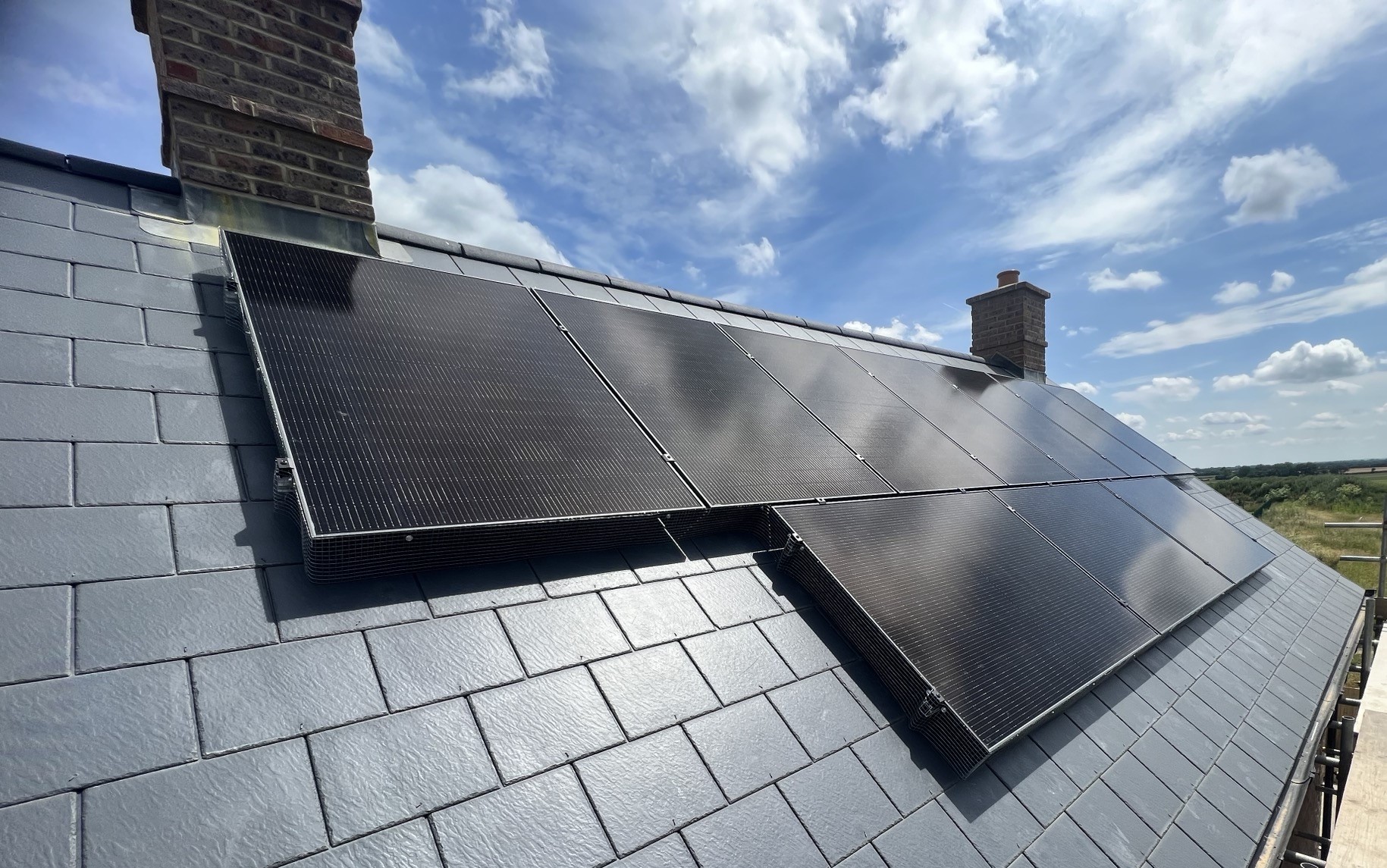
Instead of purchasing all of the electricity your heat pump needs from the grid, your solar PV system generates much of that electricity for free during daylight hours. This reduces your heating costs while making your home significantly more sustainable.
Rather than viewing these are separate technologies, homeowners should consider them as one integrated renewable energy system. The combination offers:
- Lower household energy bills
- Reduced dependence on grid electricity
- Lower carbon emissions
- Greater protection against rising energy prices
- Increased property value
- Improved EPC ratings
As electricity prices continue to fluctuate, generating your own power becomes increasingly valuable.
How Do Heat Pumps and Solar Panels Work Together?
A solar PV system converts sunlight into electricity. An air source heat pump uses electricity to extract renewable heat from the air outside your property. As heat pumps typically produce around three to four units of heat for every unit of electricity consumed, using solar generated electricity makes them even more economical to run.
During sunny days your solar panels can power:
- Your heat pump
- Household appliances
- Lighting
- Hot water heating
- Electric vehicle charging
- Battery charging
When solar generation exceeds demand, excess electricity can either be stored in solar battery storage or exported to the grid for payment via the Smart Export Guarantee (SEG). This intelligent use of self-generated electricity dramatically increases your home’s energy efficiency and reduces the running costs of your heat pump and electricity needs.
Why Solar Battery Storage Makes an Even Bigger Difference
Without solar battery storage, any unused electricity generated during the day is exported once your home isn’t using it. A battery allows you to store that energy for use later in the evening or overnight.
For households with an air source heat pump, this can be particularly beneficial because heating demand often peaks during the early morning and evening – times when solar generation can be limited.
Battery storage enables you to:
- Run your heat pump after sunset
- Reduce electricity imported from the grid
- Increase solar self-consumption
- Improve return on investment
- Provide backup power (with a compatible system)
Many homeowners achieve significantly higher self-consumption rates after adding battery storage compared with solar panels alone. At SolarTherm UK, we assess your property’s energy usage before recommending the most appropriate battery capacity, ensuring your investment is properly sized for your household.
Can Solar Panels Fully Power a Heat Pump?
One of the most common questions we receive is whether solar panels can run an entire heat pump system. The answer is sometime – but it depends on several factors:
- Property size
- Household occupancy
- Heat pump size
- Home insulation levels
- Roof orientation
- Solar array size
- Time of year
During spring and summer, many homeowners find their solar panels generate enough electricity to meet much or all of their heat pump’s daytime demand. During winter, when heating demand is highest and daylight hours are shorter, you’ll still typically import some electricity from the grid. However, your solar installation can still make a substantial contribution towards reducing running costs. Add in battery storage and you can take advantage of time of use tariffs to charge your battery and use the stored power during peak rate periods.
An experienced installer will calculate expected annual generation and heating demand before recommending a system.
Are Heat Pumps Suitable for Every Home?
Modern air source heat pumps work well in many different property types. Contrary to common misconceptions, they aren’t limited to newly built homes. The most important factor is the overall energy efficiency of the property. Homes with good insulation, quality windows and effective heating controls typically achieve the best results.
Where improvements are recommended, SolarTherm UK can advise you before installation so your renewable energy investment delivers maximum performance.
Solar Panels, Heat Pumps and Electric Vehicles
Many households are now investing in all three renewable technologies. Together they create an efficient low carbon home. During daylight hours, your solar system can simultaneously:
- Power your home
- Operate your air source heat pump
- Charge your EV using a solar EV charging system
- Store surplus electricity in a battery
A solar charger intelligently prioritises renewable electricity whenever it’s available, helping reduce charging costs while making the most of your solar generation. Rather than treating each technology separately, SolarTherm UK designs integrated systems that ensure every component works together efficiently.
Choosing the Right Solar System for a Heat Pump
No two homes have identical energy requirements. When designing a solar PV system to support an air source heat pump, we assess:
- Annual electricity consumption
- Heating requirements
- Roof size
- Roof orientation
- Available roof space
- Future EV charging plans
- Existing or planned battery storage
- Household lifestyle
This enables us to recommend a system that delivers the greatest long term savings rather than simply installing the largest array possible. As an MCS certified installer, our designs are based on recognised industry standards and realistic generation forecasts, giving homeowners confidence in their investment.
Why Professional Installation Matters
A renewable energy system is only as effective as its design and installation. Poorly designed systems can reduce efficiency, extend payback periods and limit future expansion.
SolarTherm UK has been installing renewable technologies across Essex, Kent, Suffolk, Hertfordshire and the wider South East and East Anglia for over 16 years.
Our experienced team provides:
- Bespoke system design
- High quality solar PV installation
- Battery storage integration
- EV charger compatibility
- Ongoing technical support
- Full compliance with current electrical and industry standards
Our commitment to quality workmanship, transparent advice and long term customer support has helped thousands of homeowners reduce their energy bills with confidence.
Future Proof Your Home with Renewable Energy
Energy costs are unlikely to become less volatile in the coming years. Investing in heat pumps and solar panels today can help protect your household against rising electricity prices while reducing your environmental impact.
Adding solar battery storage further increases your independence from the grid, while integrating a solar EV charger allows you to power your vehicle using clean electricity generated at home.
Whether you’re planning your first renewable energy installation or expanding an existing system, SolarTherm UK can design a tailored solution that meets your property’s current needs while allowing room for future growth.
Contact SolarTherm UK today for a free, no obligation quote and design, tailored to your property, usage and future energy needs. No hard sell, just honest, expert advice – and the time you need to make an informed decision.
Your home. Your energy. Your future.
Frequently Asked Questions
Yes. Solar panels generate electricity that can power an air source heat pump, reducing the amount of electricity you need to purchase from the grid and lowering your overall heating costs.
For many homeowners, yes. Solar battery storage allows you to store excess daytime electricity and use it later when your heat pump, home or EV needs power, increasing your self-consumption and reducing grid imports.
Absolutely. Many homeowners now install integrated renewable energy systems that combine solar panels, battery storage, an air source heat pump and a solar EV charging solution to maximise efficiency and long-term savings.
Solar panels produce less electricity during winter due to shorter daylight hours, but they still generate valuable energy. A well-designed system continues to reduce your electricity bills throughout the year.
The ideal system depends on your property’s energy usage, roof size, heating demand, future EV charging requirements and whether you plan to include solar battery storage. A professional survey ensures your system is correctly sized for maximum efficiency.