As energy prices continue to fluctuate and more homeowners look for ways to reduce their reliance on the grid, solar panel installation has become one of the most effective home improvements available in the UK.
Whether you’re looking to lower electricity bills, improve your property’s energy efficiency, reduce your carbon footprint or increase your home’s value, investing in solar panels can deliver long term benefits for decades.
This comprehensive Solar Panel Installation Guid explains everything homeowners need to know about solar energy systems, installation requirements, costs, savings, battery storage, maintenance and how to choose the right installer.
At SolarTherm UK, we’ve helped thousands of homeowners across Essex, Kent, Suffolk, Hertfordshire and the wider South East and East Anglia maximise their renewable energy potential with professionally designed solar PV systems tailored to their property’s needs.
What Are Solar Panels?
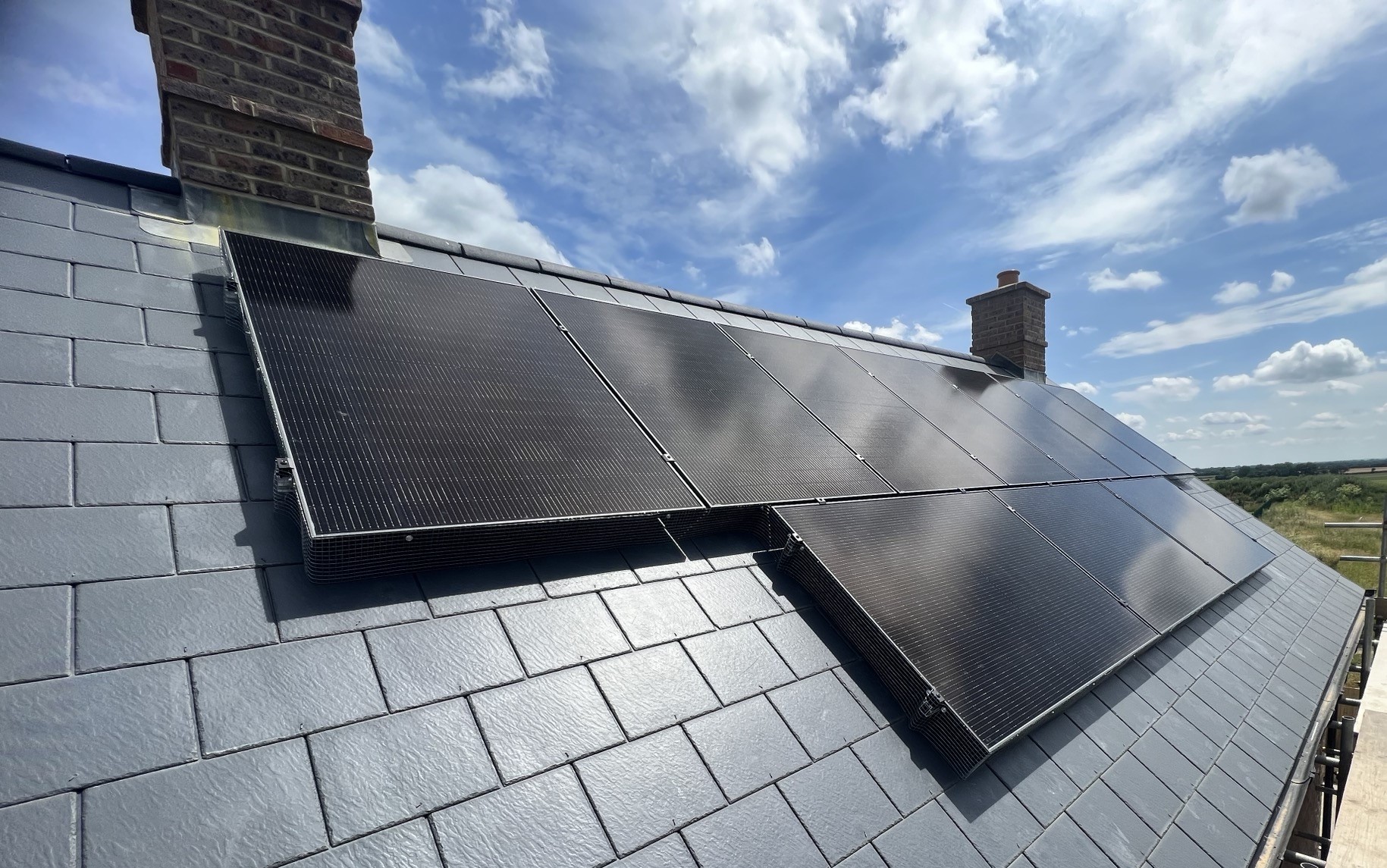
Solar panels, also known as solar photovoltaic (PV) panels, convert sunlight into usable electricity for your home.
A solar PV system typically consists of:
- Solar panels
- Inverter
- Mounting system
- Electrical protection equipment
- Monitoring system
- Optional battery storage
When sunlight hits the photovoltaic cells within the panels, electricity is generated and converted into usable AC power for your home by the inverter.
Any electricity produced can be used immediately in your home, with surplus stored in a battery for later use or exported to the National Grid for payment under the Smart Export Guarantee.
This allows homeowner to reduce their dependence on energy suppliers while taking advantage of free renewable energy generated directly from their roof.
Why Are More UK Homeowners Installing Solar Panels?
The UK solar market continues to grow rapidly. Driven by several key factors:
Rising Energy Costs
Although wholesale energy prices did stabilise compared to 2022, the recent disruption to oil and gas shipping routes caused by the Iran conflict have caused gas prices to shoot up again and in turn increase electricity prices. Many homeowners are now looking for long term protection against this uncertainty. Solar panels allow you to generate your own electricity and reduce the amount of electricity you need to purchase from expensive suppliers.
Improved Technology
Modern solar panels are significantly more efficient and powerful that earlier generations. Today’s premium systems can continue generating electricity effectively even during cloudy conditions, making them higher suitable for homes throughout Essex, Kent, Suffolk and Hertfordshire.
Battery Storage Advances
Home battery systems have become increasingly affordable and effective. By storing excess daytime generation for use in the evening, homeowners can significantly increase their solar self-consumption rates.
Environmental Benefits
Solar energy is one of the cleanest forms of electricity generation available. Installing solar panels helps reduce carbon emissions and supports the UK’s transition towards a low carbon energy future.
How Does Solar Panel Installation Work?
Step 1: Feasibility Study
A professional installer will assess your roof orientation, roof pitch, available space and electrical infrastructure. Using remote design tools, any shading issues from chimneys, trees or nearby buildings will be assessed. Your energy usage patterns will also be discussed to learn whether you use most of your energy during the daytime or evenings. This allows the system to be accurately designed around your property, lifestyle and usage patterns.
Step 2: System Design
A bespoke design is created to optimise annual energy generation and return on investment. Battery storage integration is suggested when it will be beneficial to the household, if you are out most of the day or have high evening demand, battery storage will increase savings and self-consumption levels. Future plans should also be taken into account, such as if you are planning to install an EV charger or heat pump in the future.
Step 3: Site Survey
On agreement of your design, a specialised solar surveyor will attend your property to finalise installation details. Our professional surveyor will confirm roof suitability, wind and weight load restrictions and inverter location and cable routes. On completion of the survey, any minor changes required will be adjusted and your final design confirmed.
Step 4: Installation
Most residential installations are completed within a day, with some occasionally going into a second day if weather conditions delay installation. The installation process includes:
- Roof mounting system installation
- Solar panel fitting
- Inverter installation
- Electrical connections
- System commissioning
- Performance testing
Step 5: Monitoring and Operation
Modern systems include smart monitoring platforms that allow homeowners to track energy generation, household consumption, battery charging, grid imports and exports and financial savings.
Is My Home Suitable for Solar Panels?
Most properties across the South East and East Anglia can benefit from solar installation. The ideal property will have:
- South-Facing Roof: traditionally considered optional for solar generation.
- East-West Roof: increasingly popular because generation is spread across the day, matching household consumption patterns more effectively.
- Minimal Shading: trees, chimneys and neighbouring buildings can affect performance. However, modern panel technologies can minimise shading impact such as SolarEdge power optimisers.
- Structurally Sound Roof: a survey will confirm whether your roof is suitable for installation. Even older properties can often accommodate solar systems safely and effectively.
How Much Do Solar Panels Cost?
Installation costs vary depending on system size, panel type, battery storage requirements, roof complexity and scaffolding requirements. Most UK residential solar installations range from approximately £5,500 to £12,000+ depending on the system specification. Adding battery storage increases the upfront investment, but can substantially improve long term savings and energy independence.
The most effective approach is always a tailored quotation based on your property’s requirements.
How Much Can Solar Panels Save?
Savings depend on multiple factors:
- Electricity consumption
- System size
- Tariff rates and export payments
- Battery storage usage
- Lifestyle patterns
Many homeowners can significantly reduce annual electricity costs by generating and consuming their own renewable electricity. At SolarTherm UK we see homeowners reduce their electricity bills by up to 80%, with some households reducing their bills to standing charge only during peak generation months.
Households with battery storage often achieve even greater savings because surplus daytime generation can be used during peak evening demand periods.
Should You Add Battery Storage?
For many homeowners, battery storage has become a valuable addition to a solar installation. Benefits include:
- Increased Self-Consumption: store surplus electricity rather than exporting it
- Reduced Grid Dependence: use stored solar power after sunset instead of purchasing electricity from expensive suppliers
- Backup Capabilities: some battery systems offer backup functionality during power outages, this can be a single socket to full home backup depending on the system installed
- Better Return on Investment: more generated electricity is used within the home
Battery technology continues to evolve rapidly, making storage an increasingly attractive option for homeowners throughout Essex, Kent, Suffolk and Hertfordshire.
Solar Panels and Electric Vehicles
The combination of solar panels and EV charging is one of the fastest growing trends in home energy. Benefits include:
- Reduced vehicle charging costs
- Greater use of self-generated electricity
- Lower transport emissions
- Improved return on solar investment
SolarTherm UK installs both solar PV systems and smart EV chargers, including Zappi and Project EV charging solutions, helping homeowners create a fully integrated renewable energy system.
Do Solar Panels Increase Property Value?
Many buyers view solar panels as a desirable feature. Solar panels improves EPC ratings, reduces your carbon footprint, lowers running costs and gives energy security. All these things can increase your property value, by up to 14% in some cases. While value increases vary by property and location, energy efficient homes continue to attract strong buyer interest across the South East property market.
Planning Permissions for Solar Panels
Most residential solar panel installations fall under Permitted Development Rights and do not require planning permission. However, additional considerations may apply if your property is listed, located within a conservation area or subject to specific planning restrictions. A professional local installer can advice on any local requirements before installation begins.
How Long Do Solar Panels Last?
Modern solar panels are built for long term performance and reliability. At SolarTherm UK we install Aiko Neostar 2S Mono-Glass panels, which have a 30+ year lifespan (with most generating electricity up to 40 years or more). Aiko panels come with a 15 year product warranty and 30 year linear performance warranty. Inverter warranties vary depending on brand but typically most are 10-15 years as standard. Most systems continue generating electricity well beyond their warranty periods and with minimal maintenance.
Solar Panel Maintenance
Solar PV systems require minimal maintenance. That doesn’t mean they are completely maintenance free. At SolarTherm UK we recommend periods visual inspections, looking for excessive dirt or debris on your panels, signs of damaged cabling and loose connections. Using your monitoring platform can also give signs your system needs maintenance, an unexplained drop in generation over a period of days could mean your panels need cleaning, or that there is an issue with your inverter or connections.
Periodic cleaning and a system health check by an experienced solar technician every 3-5 years should keep your system working efficiently for 30 years or more. Rainfall naturally removes most dirt and debris from UK solar installations.
Why Choosing the Right Installer Matters
The quality of design and installation has a significant impact on long term system performance. When comparing installers, homeowners should look for:
- Industry experience
- High quality equipment
- Transparent quotations independently verified by EPVS for accuracy
- Strong customer reviews
- Professional aftercare and support
- Compliance with current UK regulations and MCS certification
A properly designed system can outperform a poorly designed larger system, making installer expertise a critical factor.
Why Homeowners Are Choosing SolarTherm UK
SolarTherm UK specialises in residential solar panel installations across Essex, Kent, Suffolk, Hertfordshire and the surrounding areas. For over 16 years we have been focusing on delivering:
- Bespoke System Design: every property is different. We design systems around your roof, energy usage and future requirements.
- High Quality Components: we select trusted manufacturers with proven performance records.
- Battery Storage Expertise: we help homeowners maximise self-consumption and energy independence.
- EV Charging Integration: our team can integrate solar PV systems with Zappi and Project EV charging solutions.
- Ongoing Customer Support: We provide guidance, before, during and after installation to ensure customers achieve the best possible results from their investment.
Start Your Solar Journey with SolarTherm UK
Installing solar panels is one of the most effective ways to reduce energy bills, improve energy independence and future proof your home against rising electricity costs. Whether you’re considering a solar PV system, battery storage, EV charger integration or a complete home energy solution, SolarTherm UK provides expert guidance and professional installation throughout Essex, Kent, Suffolk, Hertfordshire and the wider South East.
With years of industry experience, high quality equipment and a customer focused approach, SolarTherm UK helps homeowners to maximise the benefits of renewable energy.
Contact SolarTherm UK today for a free, no obligation quote and design, tailored to your property, usage and future energy needs. No hard sell, just honest, expert advice – and the time you need to make an informed decision.
Your home. Your energy. Your future.
Frequently Asked Questions
Yes. Modern solar panels perform effectively throughout the UK and can generate significant savings over their lifespan.
Most homes install between 8 and 16 panels, although the ideal number depends on roof space and electricity usage.
Yes. Solar panels generate electricity from daylight, not just direct sunshine. Output will be lower than on bright sunny days but generation continues.
Many homeowners now choose battery storage because it increases self-consumption and reduces reliance on the grid.
Most residential installations are completed within one day, depending on system size and complexity.
Absolutely. Smart EV chargers can prioritise surplus solar generation, reducing vehicle charging costs significantly.