Is It Right for Your South East Home?
A 5kW solar system is a popular choice for UK homeowners looking to reduce their electricity bills and generate their own renewable energy. But what does a 5kW solar panel system actually mean, how many solar panels do you need, and how much electricity can it generate?
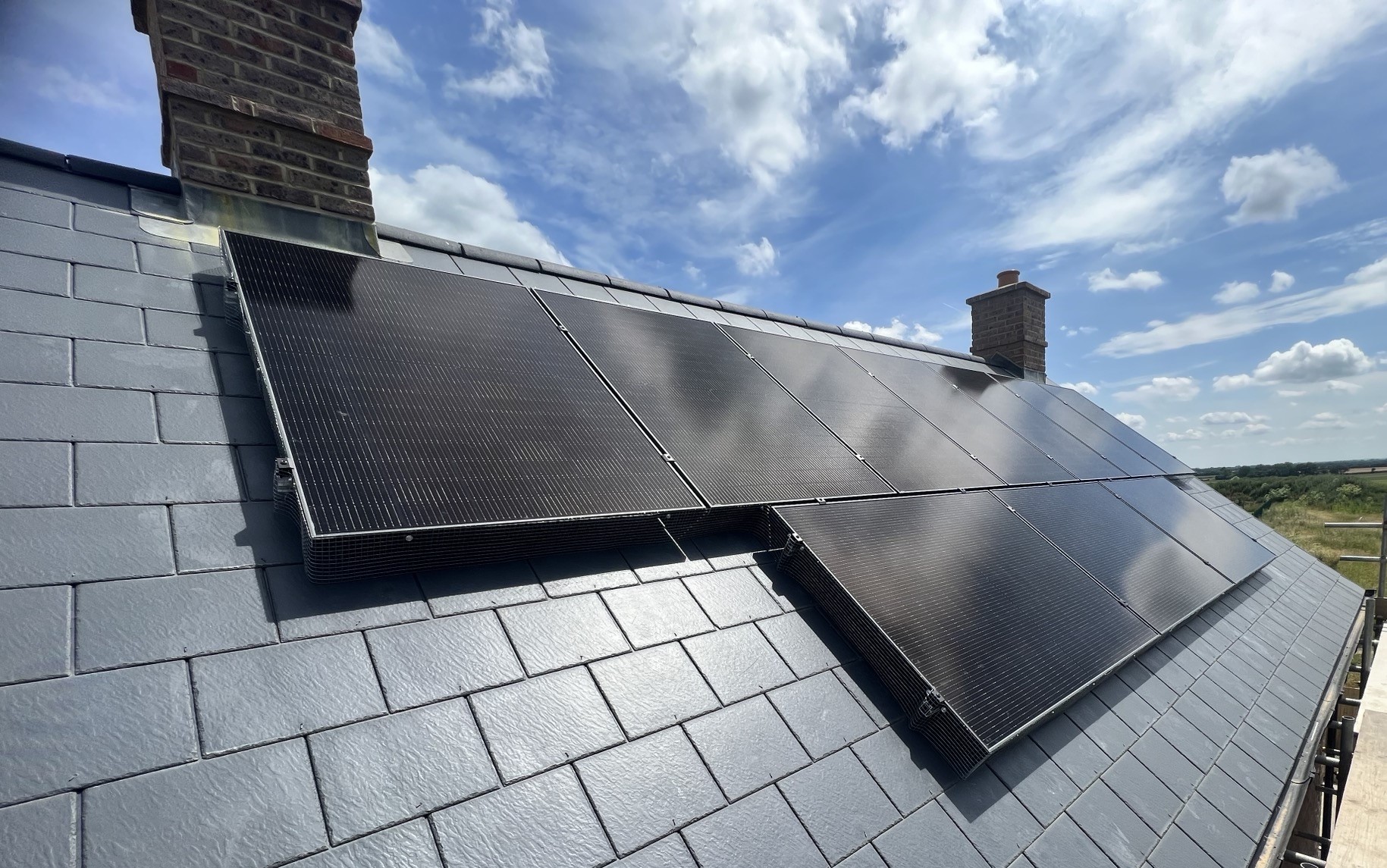
A typical 5kW solar PV array uses around 10–14 solar panels, depending on their individual wattage. The right system size for your home will depend on your annual electricity consumption, available roof space, roof orientation and shading. Adding battery storage can help you use more of the electricity your panels generate rather than exporting it to the grid.
What Does a 5kW Solar Panel System Look Like?
A standard 5kW installation includes:
- 10-14 premium solar panels
- A solar inverter to convert DC to usable AC electricity
- Mounting system tailored to your roof type
- Optional battery storage system
- Monitoring system to track performance
At SolarTherm UK, every system is bespoke designed to match your roof orientation, shading levels and household energy profile.
How Much Electricity Does a 5kW Solar System Generate?
A 5kW solar panel system’s electricity generation depends on where you live, the direction and pitch of your roof, shading and the efficiency of the panels.
In the UK, a well-designed system can generate several thousand kilowatt-hours (kWh) of electricity each year. Actual output will vary according to the property’s location and installation conditions, with generation generally higher in summer and lower during winter.
To estimate the likely annual generation of a 5kW solar PV system, an installer should consider your location, roof orientation, roof pitch and any shading from trees or nearby buildings.
It is also important to distinguish between the system’s rated capacity, measured in kilowatts (kW), and the electricity it generates over time, measured in kilowatt-hours (kWh).
How Much Does a 5kW Solar Panel System Cost in the UK?
In 2026, the average cost of a professionally installed 5kW solar panel system in the UK typically ranges from £6,500 to £8,500. The final price will depend on several factors, including the complexity of your roof, scaffolding requirements, the brand and efficiency of the solar panels, and the type of inverter used.
A typical installation price should account for the solar panels, inverter, mounting equipment and professional installation, although scaffolding, electrical upgrades and other additional work may affect the final quotation. Always check exactly what is included before comparing prices from different installers.
Adding solar battery storage will usually cost an additional £2,500 to £5,000, depending on the battery’s capacity, brand and specification. A larger battery can store more surplus solar electricity for use in the evening or when your panels are generating less, but the most suitable size will depend on your household’s electricity consumption and usage patterns.
Although the initial investment can be substantial, a solar PV system can reduce your reliance on electricity from the grid and help protect your household against future energy price increases. When comparing installation quotes, consider not only the upfront cost but also the estimated annual electricity bill savings, potential Smart Export Guarantee (SEG) payments and expected payback period. These will vary depending on your energy tariffs, how much of your generated electricity you use at home, and whether you install battery storage.
Benefits of a 5kW Solar Panel System
Significant Energy Bills Savings
Generating your own electricity reduces reliance on the grid. For many UK households, a 5kW system can offset a large portion of annual electricity consumption and save up to 80% on electricity bills.
Reduced Carbon Footprint
Solar energy is renewable and low emission. Switching to solar reduces dependence on fossil fuels and lowers household CO₂ output.
Increased Energy Independence
With rising UK electricity prices, generating your own power provides stability and control over your energy usage.
Improved Property Appeal
Homes with solar installations are increasingly attractive to buyers seeking energy efficient properties.
Low Ongoing Maintenance
Modern solar panels are durable and require minimal upkeep beyond occasional cleaning and routine electrical checks.
Potential Drawbacks to Consider
A transparent solar consultation should always include both advantages and limitations. At SolarTherm UK we provide you with all the facts so you can make a balanced and informed decision.
Upfront Investment
Solar requires an initial capital outlay, though low interest financing options may be available.
Weather Variability
Solar systems produce less during winter months or prolonged cloudy periods. However, modern solar panels will still generate electricity efficiently in diffused daylight.
Roof Suitability
Your roof’s direction, pitch and structural condition impact performance. South-facing roofs are ideal, but east- or west-facing systems can still perform very well.
Without Battery Storage, Excess Energy Is Exported
If you’re not home during the day, unused electricity is sent to the grid unless you install solar battery storage.
Should You Add Battery Storage?
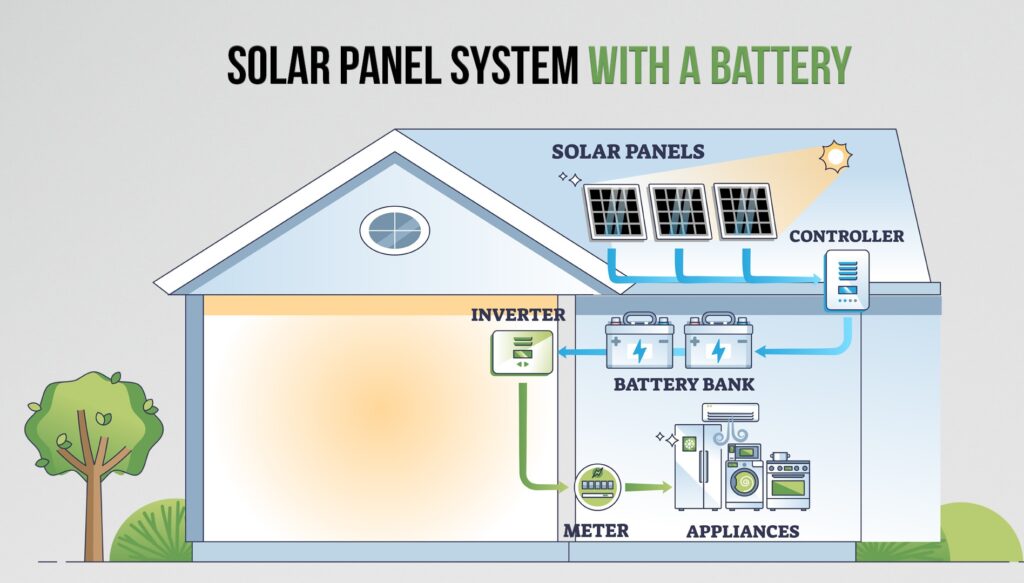
While not mandatory, battery storage significantly increases self-consumption. Without a battery, daytime surplus energy is exported to the grid for payment under the Smart Export Guarantee (SEG) and you still rely on expensive grid imports in the evenings and overnight.
With battery storage, surplus energy is stored for use in the evenings and overnight, reducing your reliance on grid electricity during expensive pricing windows. Battery storage also gives you access to cheaper off peak electricity that can be used to fill your battery, ensuring your reduce your dependency on peak import rates even further.
The correct battery size will depend on your daily consumption and energy usage patterns. If you plan to install a heat pump or purchase an EV in the future, it would be advisable to install a modular system that can be expanded in the future.
SolarTherm UK conducts a detailed load analysis to recommend the optimal battery capacity for your household.
Choosing the Right Battery Size for a 5kW Solar System
The best battery size for a 5kW solar panel system depends on your household’s electricity consumption, when you use electricity and how much surplus solar energy you want to store. A smaller battery may be sufficient for a household with relatively low evening consumption, while a larger battery could be beneficial for homes that use more electricity after sunset.
It’s also important to consider any energy-intensive appliances you use or plan to install. If you own an electric vehicle (EV), a heat pump or other high-consumption electrical equipment, your electricity demand may be significantly higher. Your installer can help assess your usage patterns and recommend a battery capacity that balances your energy needs with the cost of installation.
Remember that a 5kW solar array and a 5kWh battery measure two different things. The 5kW rating refers to the power capacity of the solar panel array, while the 5kWh rating describes how much energy a battery can store. For example, a 5kWh battery can store less energy than a 10kWh battery, but the best option for your home will depend on how much electricity you need to store and use later.
A correctly sized battery can help you make better use of the electricity your solar panels generate, reducing the amount you need to import from the grid. However, battery storage isn’t automatically the most cost-effective option for every household, so it’s worth considering your electricity tariffs, potential savings and expected payback period before deciding.
For more information, read our guide to home solar panels with battery storage to understand how battery storage works and whether it’s suitable for your home.
Is a 5kW Solar System Right For Your Home?
A 5kW system is typically suitable if:
- You live in a 3-5 bedroom home
- Your annual electricity usage is moderate to high
- You have sufficient unshaded roof space
- You want meaningful reductions in your energy bills
- You’re considering battery storage or installing an EV charger or heat pump in the future
Every property is unique. Roof direction, shading and lifestyle patterns all influence system design and return on investment.
Why Choose SolarTherm UK?
At SolarTherm UK we don’t believe in a one size fits all approach to solar. That’s why every system we install is bespoke to the property and energy usage profile. Our dedicated, local MCS accredited installers work with you from your very first enquiry, to system design, installation and long after your system is installed, providing an all round service, to keep your system running efficiently for 30 years or more.
Contact SolarTherm UK today for a free, no obligation quote and design, tailored to your property, usage and future energy needs. No hard sell, just honest, expert advice – and the time you need to make an informed decision.
Your home. Your energy. Your future.
Frequently Asked Questions
A 5kW solar system describes the rated power capacity of the solar array, usually expressed as 5kWp for the combined peak capacity of its panels. The actual electricity generated varies according to sunlight, roof orientation, shading and other installation conditions.
The number depends on the wattage of the panels. For example, a 5kW array would require approximately 12 panels rated at 420W each, or 11 panels rated at 450W each, with the final configuration depending on the selected equipment and system design.
Annual generation depends on the property’s location, roof direction, pitch, shading and panel performance. A site-specific solar yield estimate is the best way to understand how much electricity your system could generate.
The cost depends on the panels, inverter, mounting equipment, scaffolding, roof complexity and installation requirements. Adding a battery increases the initial investment, although it may allow you to use more of your own solar electricity.
A 5kW system can meet a substantial proportion of a household’s electricity needs, but whether it is sufficient depends on annual consumption, when electricity is used and seasonal solar generation. Electricity may still need to be imported from the grid, particularly overnight and during winter.
A battery can store surplus solar electricity for use when the panels are generating less or not generating at all. Whether it is financially worthwhile depends on your consumption patterns, export tariff, import tariff, battery cost and how much stored electricity you use.
Yes, but the system should be assessed against your expected future electricity demand. An EV or heat pump can increase consumption significantly, so your installer should consider the available roof space, electrical infrastructure, solar generation and battery requirements.
Yes. Solar panels can generate electricity in diffuse daylight, although output is generally lower than under strong direct sunlight. Generation also varies considerably between summer and winter.