Think Your Roof Isn’t Suitable for Solar? It Probably Is
Solar panels for odd shaped roofs are often possible, even when a property has dormers, hips, valleys, multiple roof sections, extensions or unusual orientations. While an irregular roof can make solar panel design more complicated, careful system design and the right mounting and optimisation technology can make good use of available roof space.
At SolarTherm UK, we specialise in designing solar PV systems for properties that many installers consider too complex. With the right technical approach, even the most awkward roof can deliver strong energy savings and long term performance.
Solar Panels for Odd Shaped Roofs in Essex, Kent and Suffolk
Most homeowners we speak to assume their roof won’t work for solar. In reality, these are some of the most common – and solvable – scenarios:
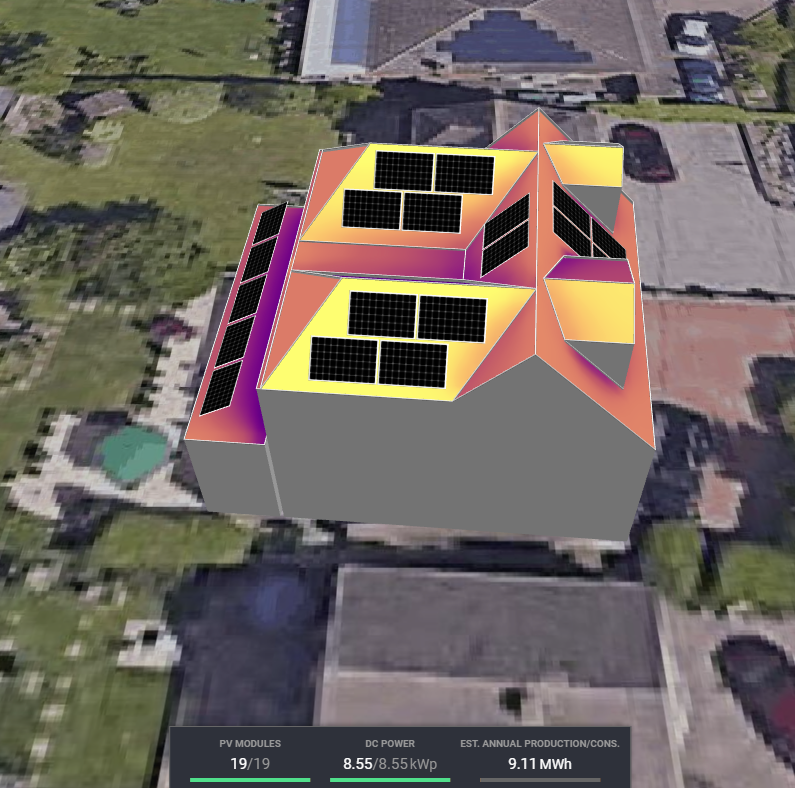
Multi-Section Roofs (Dormers, Hips, Valleys) – roofs with multiple angles and features can still support highly efficient systems. We design split arrays across different roof sections to maximise generation.
Flat Roofs and Extensions – flat roofs are often ideal for solar. Using ballasted mounting systems, we can install panels without drilling into the roof, preserving waterproofing and warranties.
East and West-Facing Roofs – south-facing roofs are often seen as best, but east/west systems can actually provide more consistent generation throughout the day – ideal for households using electricity in the morning and evening.
Shaded Roofs – shade from trees, nearby buildings or chimneys can be managed using power optimisers or microinverters, allowing each panel to perform independently.
Smaller Roof Areas – even limited roof space can make a meaningful impact on your energy bills, especially when paired with battery storage.
How SolarTherm UK Designs Around Complex Roofs
The difference between an average system and a high performing one comes down to design and engineering. We tailor every system using:
- Advanced system modelling and shading analysis
- Panel level optimisation technology where required
- Flexible layouts across multiple roof aspects
- Ballasted systems for flat roofs (no penetration required)
- In-roof solar options for seamless finish
- Careful cable routing and symmetrical layouts
This approach ensures your system is not only efficient, but also built to last in UK conditions.
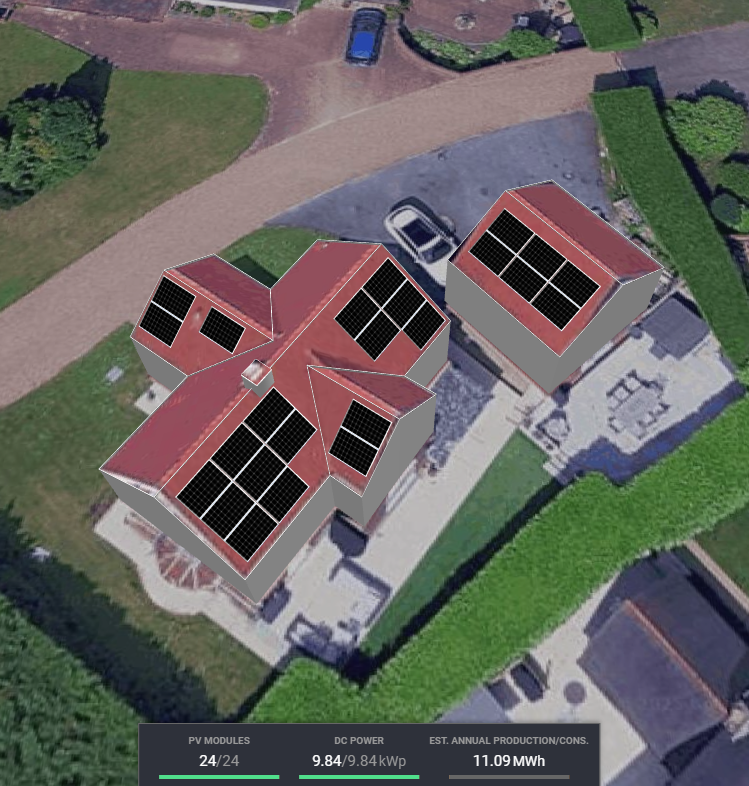
Designed to Look Right on Your Home
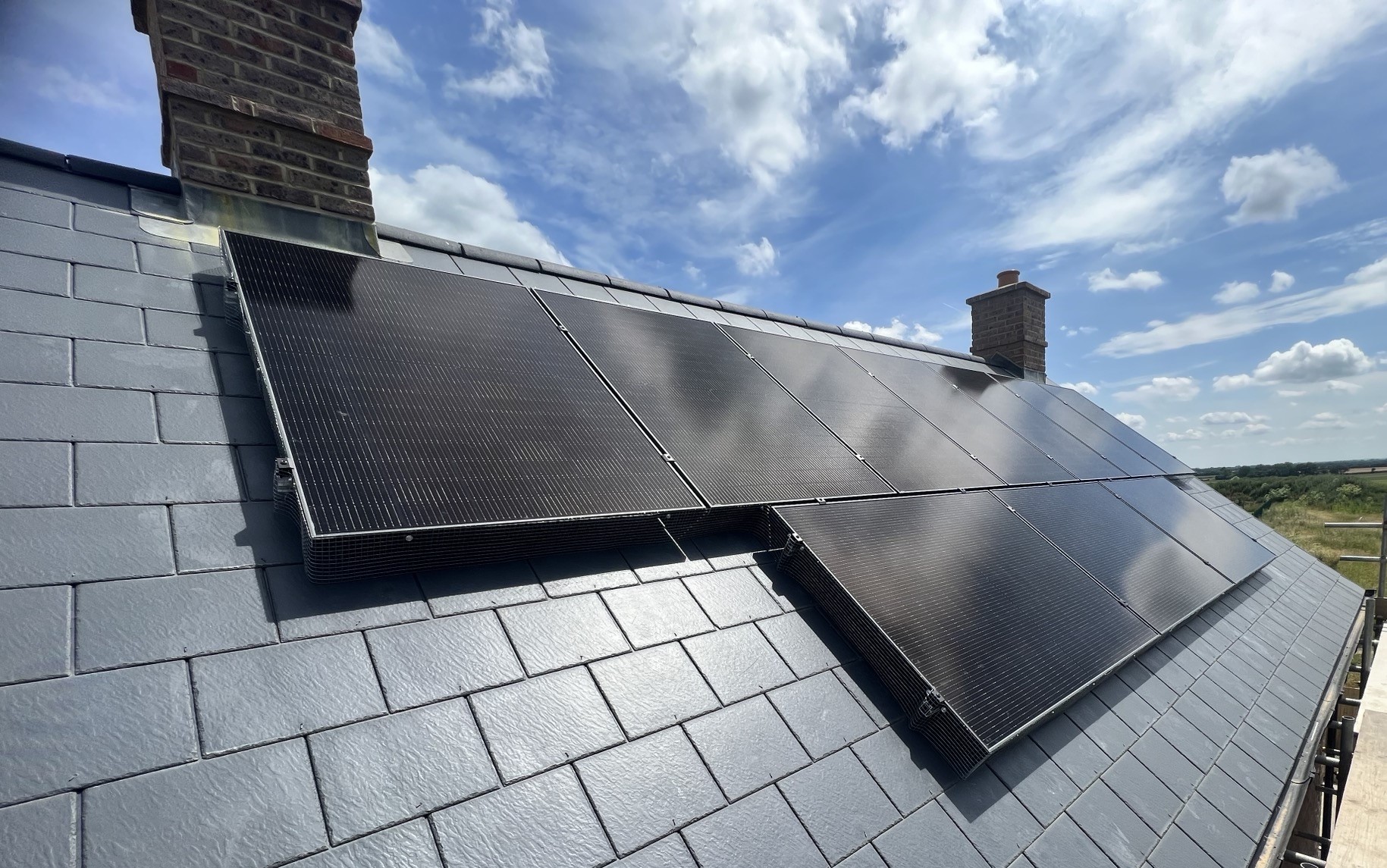
For many homeowners, appearance matters just as much as performance. We prioritise sleek all black solar panels with clean discreet installations. Where possible, we’ll lay your panels out symmetrically or offer premium in-roof systems for a low profile finish. The result is a system that complements your property – not compromises it.
Real World Performance on “Awkward” Homes
Homes with complex roofs often perform better than expected with clever design and installation:
- Multi-roof properties can generate across multiple sunlight angles
- East/west systems provide longer daily generation windows
- Batteries allow you to store and use more of your own energy
- Even partial systems can significantly reduce reliance on the grid
In short, solar isn’t about perfection – it’s about smart design and system optimisation.
What We Need to Assess Your Roof
To provide an accurate design and quote, we typically ask for:
- Your property address
- A recent electricity bill
- Details of any known shading
- Building plans if a new build
Our team then carries out a full technical assessment, using advanced satellite technology to create a design bespoke to your property. Your detailed quote package will include solar yield modelling, potential return estimates and payback period, all independently verified by EPVS for accuracy.
Why Homeowners Trust SolarTherm UK
Choosing the right installer matters just as much as choosing solar itself. SolarTherm UK provides:
- Experienced solar designers and installers
- Systems tailored specifically for your home
- High quality components from trusted manufacturers
- Transparent advice – no pushy sales tactics
- Installations across Essex, Suffolk, Kent, Hertfordshire and the wider South East and East Anglia
We focus on delivering systems that perform reliably for decades, not just on paper.
Is Solar Worth It for an Awkward Roof?
In most cases – yes. Modern solar technology means you don’t need a “perfect” south-facing roof, shade can be mitigated with SolarEdge power optimised technology and smaller systems can still deliver strong solar savings – every unit of electricity you generate and use yourself, is a unit you don’t need to buy from expensive suppliers.
Adding in battery storage can increase the overall efficiency of your system, giving you access to your self-generated electricity around the clock and reducing your reliance on the grid even further.
With modern solar technology and clever design and planning, complex roofs can allow generation to be spread across different orientations and times of day, helping you make better use of the available roof space.
Don’t Rule Your Roof Out – Let Us Assess It
Most UK homes aren’t perfect for solar – but that doesn’t mean they’re unsuitable. If you’ve been told your roof won’t work, or you’re unsure because of its shape, size or orientation, it’s worth getting a professional assessment.
SolarTherm UK designs systems for real homes – not ideal ones. Take control of your energy with a system designed specifically for your property.
Contact us today for a free, no obligation quote and design, tailored to your property, usage and future energy needs. No hard sell, just honest, expert advice – and the time you need to make an informed decision.
Your home. Your energy. Your future.
Frequently Asked Questions
Yes. Using optimisers or microinverters allows panels to operate independently, reducing the impact of shading.
Absolutely. Flat roofs often work very well using angled mounting systems that maximise sunlight exposure.
Yes. They generate slightly less overall than south-facing systems but offer better generation during peak usage times.
Not when designed properly. Modern systems use all-black panels and neat layouts, with in-roof options available for a premium finish.
Even small systems can reduce your energy bills significantly, especially when combined with battery storage.
Yes, solar panels can often be installed on odd shaped roofs. The shape of the roof does not automatically prevent solar installation. A professional assessment can determine which areas are suitable and create a panel layout that makes the best use of the available roof space.
Yes. Roofs with dormer windows can still be suitable for solar panels, although the available space may be more limited. The panel layout needs to account for the dormers, roof structure, shading and access requirements.
Yes, solar panels can be installed on many hipped roofs. The available roof faces, orientation, pitch and usable area will determine how many panels can be installed and how the system should be designed.
Yes. An L-shaped roof can often accommodate solar panels across multiple sections. Where different roof sections have different orientations or shading conditions, the system can be designed to manage these independently.
Yes, provided there is sufficient suitable roof space. Roof windows, skylights, chimneys and other obstructions need to be considered when designing the panel layout. Panels can sometimes be arranged around these features to maximise the usable roof area.
They can be. Different roof pitches and orientations don’t necessarily prevent solar installation, but they require careful system design. Panel placement, shading and electrical configuration all need to be considered.
Yes. A small roof section can still be suitable for solar panels, although the number of panels that can be installed may be limited. The installer should assess whether the available space makes a system technically and financially worthwhile.
They can be, depending on the complexity of the installation. An unusual roof may require additional design work, more complex scaffolding or mounting arrangements, and careful panel positioning. However, the roof shape alone does not necessarily make solar significantly more expensive.
There isn’t one universal “best” panel. High-efficiency panels can be particularly useful where roof space is limited, because they can generate more electricity from a given area. Panel dimensions should also be considered when working around roof obstructions.
Yes. Solar panels can be installed across different roof orientations where appropriate. The system should be designed to account for the different levels of sunlight each roof section receives throughout the day.
Yes. A difficult or unusual roof does not automatically mean solar isn’t worthwhile. The potential generation, available roof area, shading, installation costs and expected energy savings should all be assessed before deciding whether the system is suitable.