Keeping Your Solar PV System Performing All Year Round
Solar panels are designed to be incredibly low maintenance, but that doesn’t mean you should simply install them and forget about them. As the seasons change, so do the weather conditions that affect your system’s performance.
By carrying out a few simple checks throughout the year, you can maximise electricity generation, identify potential issues early and help ensure your solar PV system continues operating efficiently for decades.
Whether your system is brand new or has been installed for several years, this seasonal maintenance guide explains what to look for during spring, summer, autumn and winter.
Why Seasonal Maintenance Matters
Modern solar panels have no moving parts and typically require very little maintenance. However, seasonal weather can introduce dirt, debris, shading and other factors that can affect performance.
Regular checks can help you:
- Maximise energy generation
- Increase self-consumption
- Spot faults before they become costly
- Protect your investment
- Extend the lifespan of your system
Most of these checks take only a few minutes and don’t require specialist equipment or support.
Spring: Prepare for Peak Solar Generation
Spring marks the beginning of your system’s most productive period. Longer days and stronger sunlight mean your panels will soon be generating significantly more electricity than during winter.
Check for Winter Damage
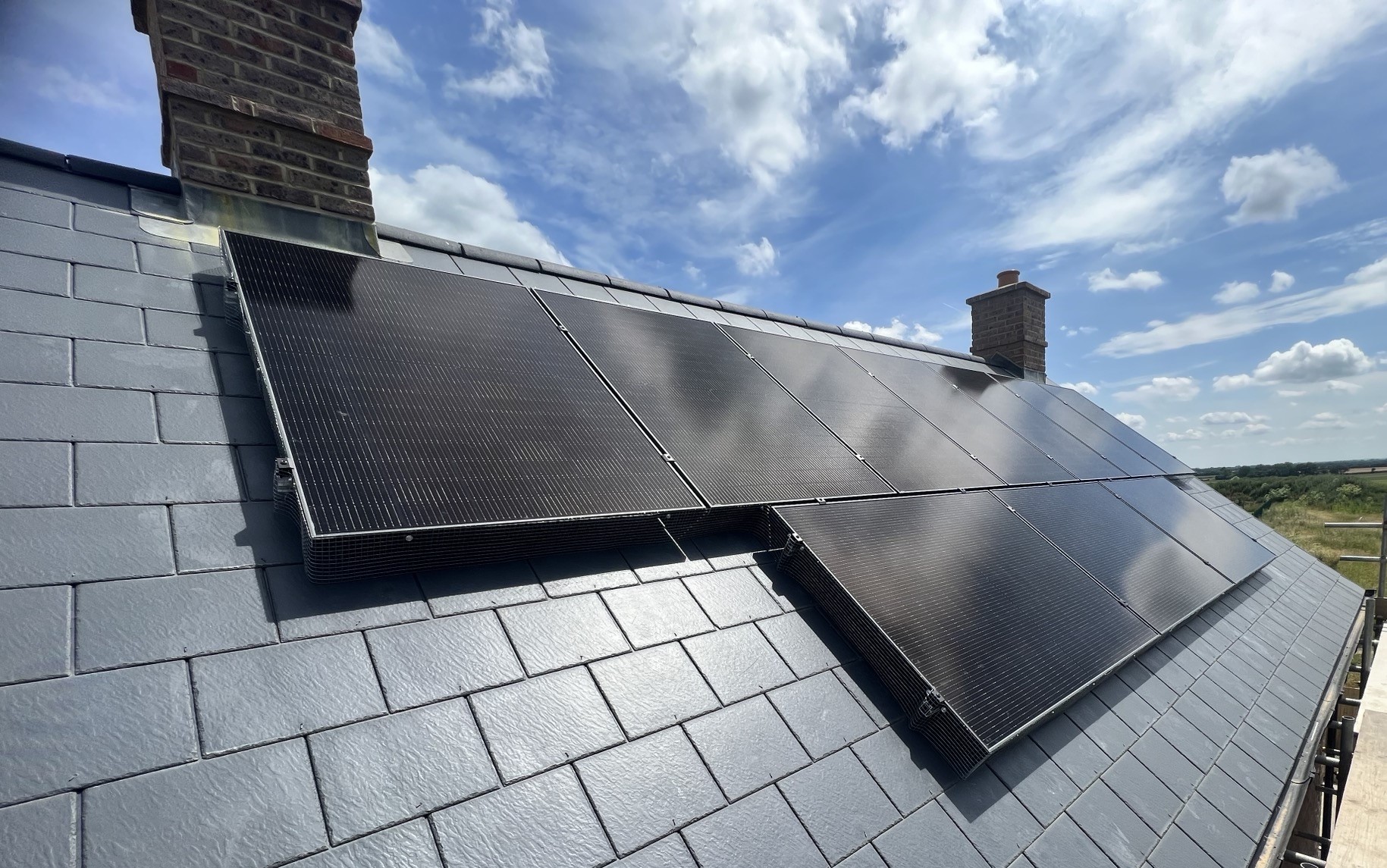
Winter storms can leave behind debris or cause minor damage that isn’t immediately obvious. Look for fallen branches, loose fixings (from ground level), damaged roof tiles near the array and obvious cracks or visible damage. If anything appears unusual, contact a qualified installer rather than climbing onto the roof yourself.
Remove Winter Dirt
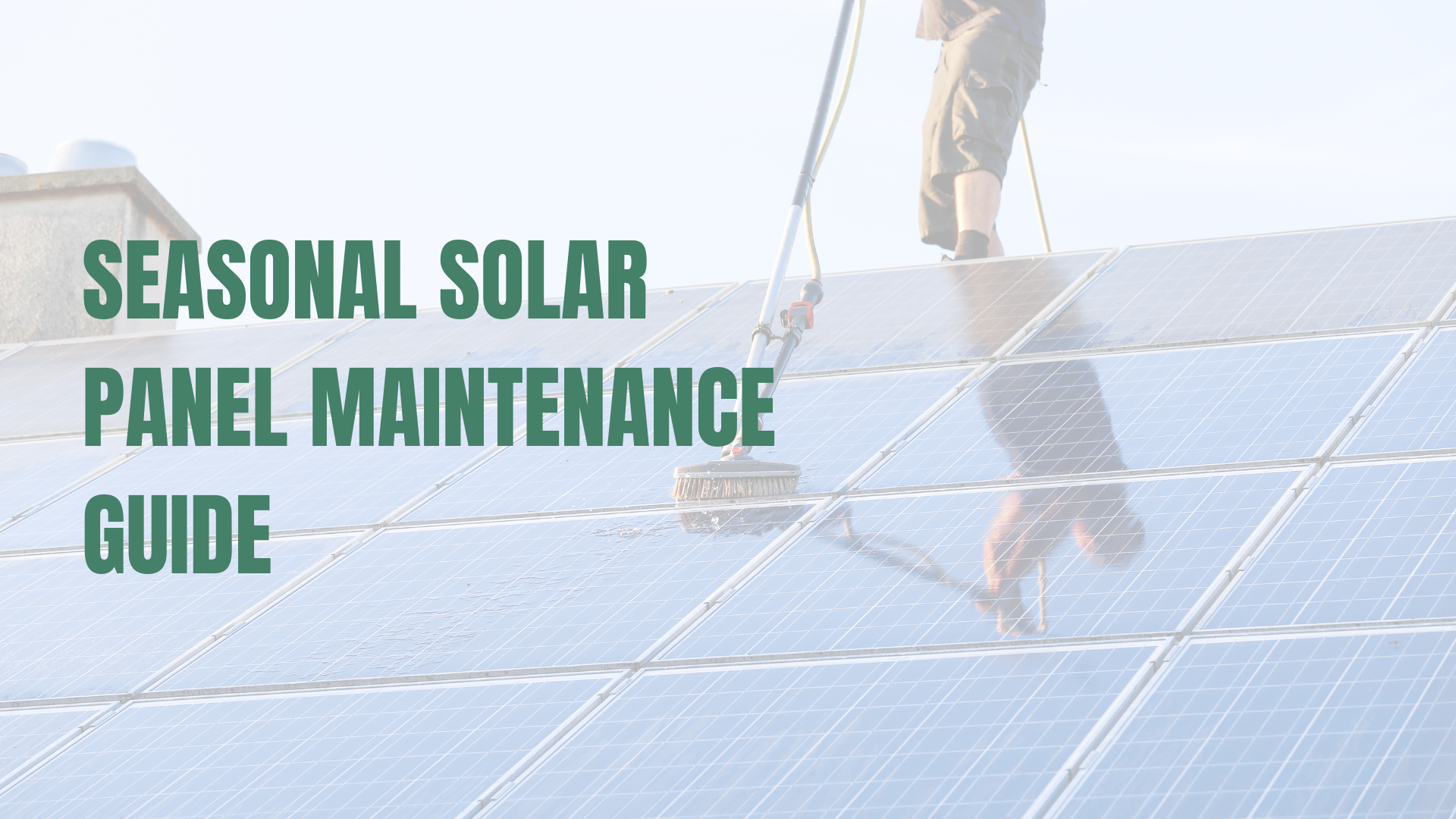
Although rainfall naturally cleans most panels, winter can leave behind moss, bird droppings, dust, pollen and air pollution. If your panels look noticeably dirty, a professional clean may help restore peak performance.
Review Your Monitoring App
Spring is an excellent time to check daily generation, inverter status, battery performance and export levels. Unexpected drops in production may indicate a fault that should be investigated before the highest generation months begin.
Shift Energy Use Into Daylight Hours
As production increases, try running high energy appliances like washing machines, tumble driers and dishwashers between late morning and mid afternoon to maximise self-consumption.
Summer: Maximise Your Savings
Summer is when you solar panels generate the greatest amount of electricity.
Make the Most of Surplus Generation
Rather than exporting large amounts of electricity to the grid, consider charging your battery, charging your electric vehicle, heating water using a solar diverter or running household appliances during the day. Using your own electricity is often more valuable than exporting it.
Monitor Battery Performance
Summer allows batteries to reach full charge more frequently. Check that charging is completing normally, evening discharge is working correctly and that capacity matches expectations.
Keep an Eye on Birds
Warmer months are often when birds become active around solar panels. Watch for nesting beneath panels, accumulated droppings and debris blocking airflow. Bird proofing may be worthwhile if nesting becomes a recurring issue.
Autumn: Prepare for Shorter Days
Autumn is all about preparing your system for the wetter months ahead.
Clear Fallen Leaves
Leaves can collect around panels, in roof valleys and in gutters. Keeping gutters clear helps prevent standing water and roof problems.
Watch for New Shading
Trees that have grown over summer may begin affecting solar generation. If branches are casting shadows over your panels, consider having them professionally trimmed.
Review Annual Performance
Autumn is a good time to compare this year’s generation against previous years. Large unexplained reductions may indicate a developing issue that should be investigated.
Winter: Protect Your Solar Investment
Winter naturally produces less electricity due to shorter days and lower sun angles, but your system should still generate useful energy.
Monitor Generation
Lower output is normal. However, investigate if generation falls significantly below expectations compared with previous winters.
Check After Storms
Strong winds and heavy rain can leave debris around your system. From ground level, look for fallen branches, loose cables and damage to nearby roof tiles. Never climb onto the roof following severe weather.
Snow and Frost
In most parts of southern England, snow rarely remains on solar panels for long. Avoid attempting to remove snow yourself, as this can damage the panels and create a serious safety risk.
Maintenance Tips for Every Season
Whatever the time of year, it’s worth regularly checking:
- Your inverter has no warning lights
- Your monitoring app shows expected generation
- Panels appear clean from ground level
- There is no new shading
- Bird activity hasn’t increased
- Your battery is operating correctly
A quick monthly glance at your monitoring app can often detect problems long before they become serious.
When Should You Call a Professional?
Contact a qualified installer if you notice:
- Sudden drops in generation
- Inverter fault messages
- Physical damage
- Water ingress
- Loose panels
- Damaged wiring
- Persistent bird nesting
Attempting repairs yourself can be dangerous and may invalidate warranties.
Why Choose SolarTherm UK?
At SolarTherm UK, we’re committed to supporting homeowners long after installation. Whether you need advice on system performance, battery storage, bird protection or maintenance, our experienced, in-house team is here to help.
With over 16 years of experience installing solar PV systems across Essex, Kent, Suffolk, Hertfordshire and the wider South East and East Anglia, we provide honest advice, quality workmanship and ongoing support to help you get the very best from your investment.
If you’re ready to start your solar journey, contact SolarTherm UK today for a free, no obligation quote and design, tailored to your property, usage and future energy needs. No hard sell, just honest, expert advice – and the time you need to make an informed decision.
Your home. Your energy. Your future.
Frequently Asked Questions
A visual inspection every few months, combined with regular monitoring of your generation data, is usually sufficient. If you notice any sudden changes in performance, it’s worth arranging a professional inspection.
Not necessarily. Rainfall naturally cleans most systems in the UK, although bird droppings, pollen or heavy dirt build-up may occasionally require professional cleaning.
Summer typically delivers the highest generation thanks to longer daylight hours, although spring often provides excellent efficiency due to cooler panel temperatures and increasing sunshine.
No. Solar panels continue generating electricity throughout winter and are designed to withstand typical UK weather conditions, including rain, frost and strong winds.