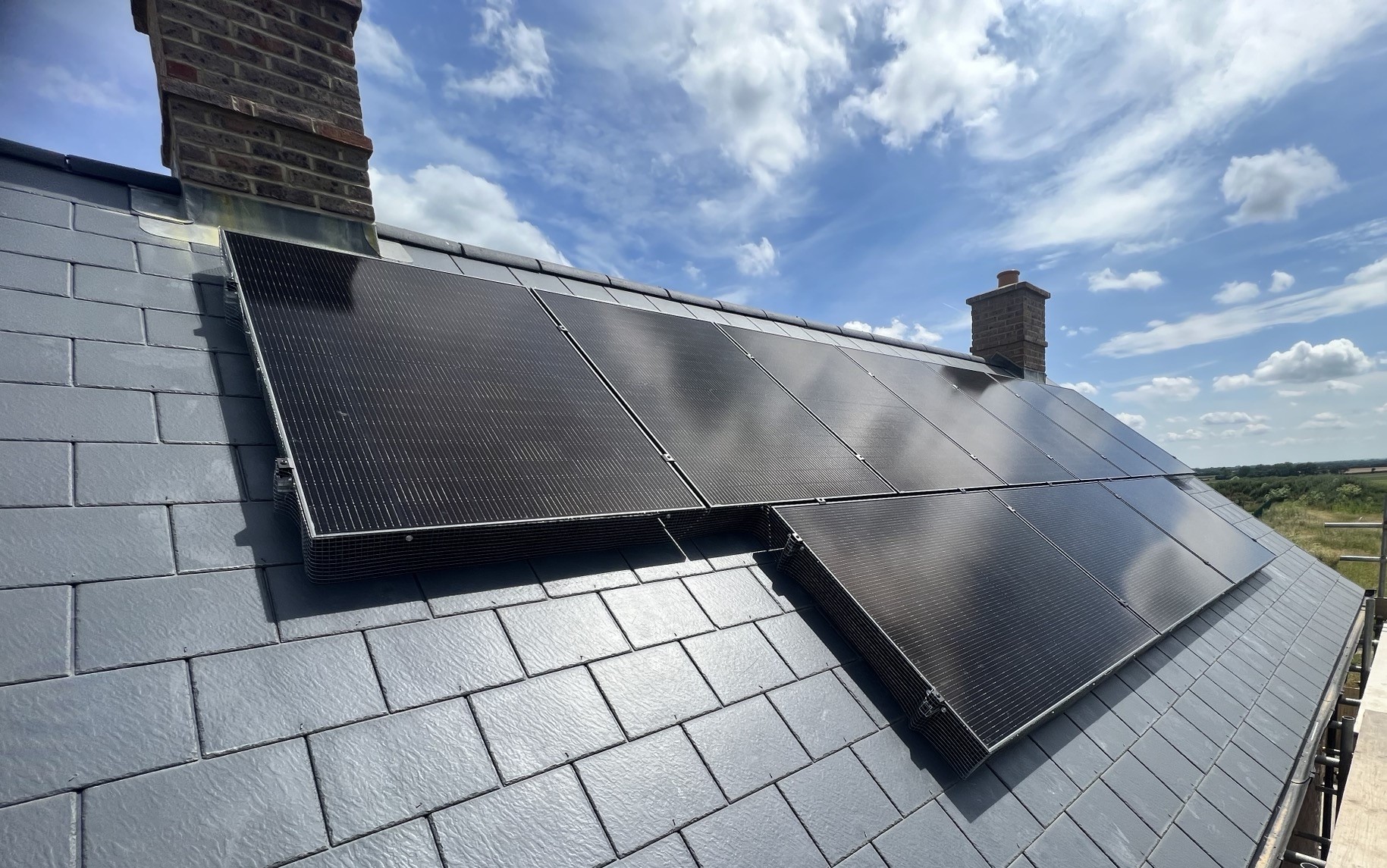
Short answer: no – solar panels will not damage your roof when installed correctly by qualified professionals.
In fact, a properly installed solar PV system can actually help protect your roof from harsh weather and long term wear. At SolarTherm UK, we’ve installed thousands of solar PV systems across Essex, Kent and the wider South East over the last 16 years, and roof safety is always a top priority.
Why Homeowners Worry About Roof Damage
It’s one of the most common concerns we hear from homeowners:
“Will solar cause leaks?”
“What if my roof is new?”
“Is my roof suitable?”
These are all valid questions. Your roof is one of the most important parts of your home, so it’s essential to ensure any installation is done properly.
How Solar Panels Are Installed Safely
When installed by experienced professionals, solar panels are mounted using specialist fixing systems designed for your specific roof type.
These systems:
- Keep your roof fully watertight
- Secure panels safely in high winds
- Distribute weight evenly to avoid stress on the structure
At SolarTherm UK, we only use industry approved mounting systems and follow strict installation standards to protect your property.
Will Installing Solar Panels Damage a Flat Roof?
Solar panels can be installed on many flat roofs without causing damage, provided the roof is suitable and the mounting system is correctly designed. However, flat roofs require particular care because their waterproof membrane, structural capacity and existing condition must all be considered before installation.
How are solar panels installed on flat roofs?
There are two common approaches:
- Ballasted mounting systems: Frames are held in place using calculated ballast weights, which can avoid penetrating the roof membrane. The additional weight must be checked to ensure the roof structure can support the panels and ballast.
- Mechanically fixed mounting systems: Frames are secured to the roof structure. Where fixings penetrate the waterproof covering, these must be appropriately designed and sealed to maintain the roof’s weather resistance.
The most suitable option depends on the roof construction, waterproofing system, wind exposure and structural capacity.
Can solar panels cause leaks on a flat roof?
Leaks are possible if fixings, waterproofing details or the roof membrane are damaged or incorrectly installed. A properly designed installation should maintain the roof’s weather resistance, but no installation method can guarantee that problems will never occur.
A professional assessment should establish whether the existing roof is in good condition, whether its structure can support the proposed system and whether the mounting method is compatible with its waterproofing.
Should I replace my flat roof before installing solar panels?
If your flat roof is approaching the end of its service life, replacing or refurbishing it before installing solar panels may be more cost-effective than removing the panels later to carry out roofing work.
Solar panels can remain in place for 25 years or more, so it is important to consider the expected lifespan of the roof covering as well as the solar installation.
At SolarTherm UK, we can assess your property’s suitability and discuss the considerations involved before recommending a solar PV system.
What If You Have A New Roof?
If your roof has recently been replaced, you’re in an excellent position to install solar. Modern roofing materials are highly compatible with solar mounting systems, allowing for a clean, non-invasive installation.
If you’re due to have your roof replaced, we can coordinate with your roofing contractor, ensure your roof warranty remains valid and use installation methods that minimise disruption.
What If Your Roof Is Older?
Older roofs can still be suitable for solar – but they require a careful assessment first. Before any installation, our team carries out a detailed survey to check structural integrity, tile and membrane condition and overall lifespan of the roof. If any issues are identified, we will explain whether minor repairs are needed or more significant roofing work is required, helping you make an informed decision before proceeding. This approach protects both your home and your investment.
Can Solar Panels Protect the Roof Beneath Them?
Solar panels cover part of your roof, shielding the area beneath them from some direct sunlight and rainfall. However, this does not mean that installing solar panels automatically extends the lifespan of your roof.
The long-term condition of your roof depends on factors including its existing age, roofing materials, ventilation, exposure to the weather and the quality of the solar installation.
Before installing solar panels, your installer should check the roof’s condition and suitability. Correctly designed mounting systems and appropriate waterproofing details help maintain the roof’s weather resistance and reduce the risk of damage.
If your roof needs significant repairs or is approaching the end of its expected lifespan, it may be sensible to address these issues before installation.h is particularly beneficial for exposed properties in Essex and Kent coastal areas.
Built for Long Term Performance
Solar panel systems are designed to last 25 years or more, so your roof needs to be ready for that lifespan. At SolarTherm UK, we focus on long term durability, safe load distribution and weather resistant installation methods. This ensures your system performs efficiently while keeping your roof protected for decades.
Can Solar Panels Cause Roof Leaks?
Solar panels do not inherently cause roof leaks, but an incorrectly designed or installed system can create a risk of water ingress.
On pitched roofs, mounting brackets, roof fixings and flashing details must be compatible with the roof covering. On flat roofs, the waterproof membrane must be protected, and any penetrations must be correctly detailed and sealed.
Other potential causes of leaks include damaged roof tiles, displaced slates, deteriorating membranes and pre-existing roofing defects.
A suitable roof assessment, compatible mounting equipment and careful installation help minimise these risks. If your roof is still under warranty, check with the warranty provider before proceeding, as the installation may affect its terms.
If you notice damp patches or water ingress after a solar installation, arrange an inspection to identify the source rather than assuming the panels themselves are responsible.
So, Will Solar Panels Damage Your Roof?
In the vast majority of cases, the answer is no. Whether your roof is brand new, a few years old or showing signs of age, there is almost always a safe and suitable solar solution. The key factors are proper assessment, professional installation and experienced, qualified installers.
Why Choose SolarTherm UK?
As a trusted solar installer serving Essex, Kent, Suffolk, Hertfordshire and the wider South East and East Anglia SolarTherm UK combines technical expertise with a customer first approach.
- Experienced residential and commercial solar specialists
- High quality, compliant installation methods
- Honest advice tailored to your property
- Strong local reputation and customer satisfaction
We understand the unique challenges of homes in the South East – from coastal weather exposure to varied roof types – and design systems accordingly.
Speak to SolarTherm UK
If you’re considering solar panels and want expert advice about your roof, we’re here to help. We provide clear, practical guidance to help you make the right decision for your home.
Contact SolarTherm UK today for a free, no obligation quote and design, tailored to your property, usage and future energy needs. No hard sell, just honest, expert advice – and the time you need to make an informed decision.
Your home. Your energy. Your future.
Frequently Asked Questions
Solar panels should not damage a suitable roof when the system is correctly designed and installed. However, poor fixings, inadequate waterproofing or an unsuitable roof structure can lead to problems. A roof assessment before installation helps identify potential risks.
Not necessarily. Solar panels can be installed on many flat roofs using ballasted or mechanically fixed mounting systems. The correct approach depends on the roof’s structural capacity, waterproof membrane and condition. A professional assessment is important before installation.
Yes, leaks are possible if mounting fixings, flashing or waterproofing details are incorrectly installed, or if existing roofing materials are damaged. Correct installation and suitable mounting equipment help minimise the risk.
Many roofs can support the additional load from solar panels, but this should never be assumed. The roof structure must be assessed for the weight of the panels, mounting equipment and any additional ballast, as well as the relevant wind and other design loads.
If your roof has damaged tiles, a deteriorating membrane or significant structural issues, these should be addressed before installation. If the roof is nearing the end of its service life, replacing it first may help avoid the cost and disruption of removing solar panels for future roofing work.
It depends on the warranty terms and the installation method. Contact your roofing manufacturer or contractor before installation to confirm whether the proposed work affects your existing cover. Ask your solar installer to explain any relevant warranty implications.
Sometimes. The roof’s age alone does not determine suitability. Its structural condition, remaining service life, roofing materials and ability to accommodate the mounting system must all be considered before installation.