As energy prices continue to fluctuate and more households look for ways to reduce their carbon footprint, renewable energy has become one of the most important topics in the UK’s energy transition.
Whether you’re considering solar panels for your home in Essex, a heat pump installation in Kent or simply want to understand how renewable energy works, this guide explains the key facts, benefits and considerations every homeowner should know.
At SolarTherm UK, we help homeowners throughout Essex, Kent, Suffolk and Hertfordshire make informed decisions about renewable technologies, drawing on over 16 years of experience delivering high quality residential solar installation across the South East and East Anglia.
What Is Renewable Energy?
Renewable energy is generated from naturally replenishing resources that are constantly renewed by the environment. Unlike fossil fuels such as coal, oil and natural gas, renewable energy sources won’t run out through normal use.
The most widely used renewable energy sources include:
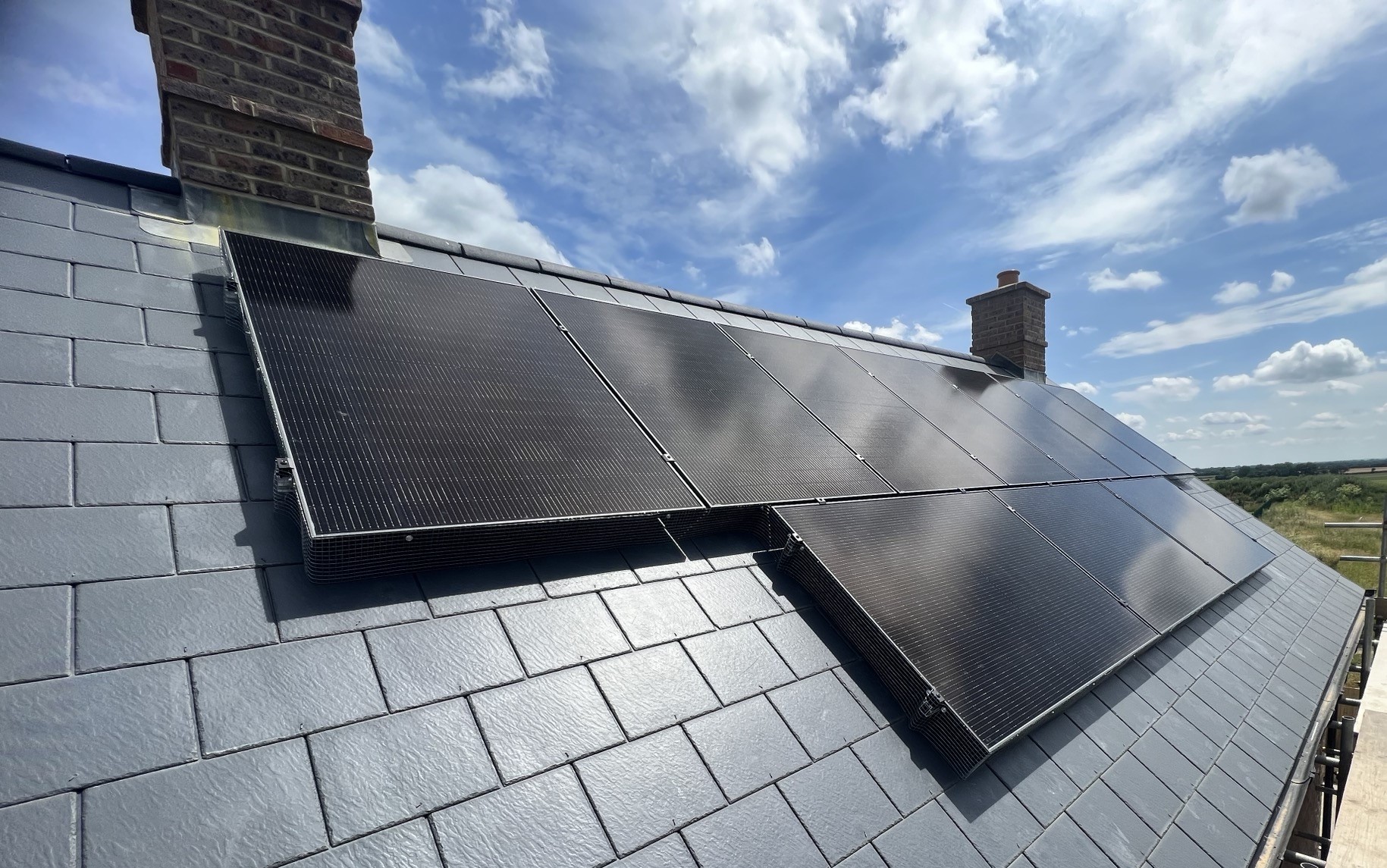
- Solar Energy: solar panels convert daylight into electricity that can power your home, reducing reliance on the National Grid and lowering electricity bills.
- Wind Energy: wind turbines generate electricity by harnessing the movement of air. Wind power currently supplies a significant proportion of the UK’s renewable electricity.
- Hydroelectric Power: hydropower generates electricity using flowing water, typically through dams, reservoirs or river based systems.
- Geothermal Energy: this technology captures naturally occurring heat from beneath the Earth’s surface for heating and electricity generation.
- Biomass Energy: organic materials such as plant matter and agricultural waste can be used to produce renewable heat and electricity.
Why Renewable Energy Is Growing in Popularity
The adoption of renewable energy has accelerated rapidly in recent years due to several key advantages:
- Lower household energy bills
- Reduced carbon emissions
- Greater protection against rising energy costs
- Improved energy independence
- Government support for low carbon technologies
- Advances in solar panel and battery storage technology
For many homeowners, installing solar panels provides an opportunity to generate electricity on site rather than relying entirely on expensive energy suppliers.
Challenges Facing Renewable Energy
While renewable energy offers significant benefits, there are practical challenges that the industry continues to address.
Variable Energy Generation
Solar panels generate electricity during daylight hours, while wind turbines depend on suitable weather conditions. This variability means energy production doesn’t always align perfectly with demand.
Energy Storage Requirements
Battery storage systems are becoming increasingly important, allowing surplus solar energy generated during the day to be stored and used during the evening or periods or lower generation or higher demand.
Home battery systems are helping homeowners maximise self-consumption and increase savings from their solar PV systems. Self-consumption without battery storage is generally only 30-60%, with battery storage, this rises to 70-90%, meaning more of your self-generated electricity is used within your home, resulting in lower electricity bills.
Grid Infrastructure Upgrades
The UK’s electricity network was originally designed around large centralised power stations. As renewable generation becomes more widespread, investment is needed to modernise infrastructure and improve grid flexibility.
Is Renewable Energy Cheaper Than Fossil Fuels?
In many cases, yes. Renewable energy technologies have become dramatically more affordable over the last decade, with solar panels now representing one of the most cost effective ways for homeowners to reduce long term electricity costs.
A well designed solar PV system can:
- Significantly reduce electricity bills
- Provide decades of renewable power generation
- Increase household energy independence
- Generate export income through the Smart Export Guarantee (SEG)
Many residential solar systems achieve payback within approximately 8-12 years, while quality solar panels can continue producing electricity for 30 years or more. Unlike fossil fuels, renewable energy sources are not directly exposed to global oil and gas market volatility, helping homeowners gain greater control over future energy costs.
Is Renewable Energy Completely Carbon Free?
Renewable energy technologies are among the cleanest forms of energy generation available, but no technology is entirely impact free when its full lifecycle is considered.
Manufacturing solar panels, batteries, heat pumps and wind turbines requires raw materials, transportation and industrial processes that create some carbon emissions.
Examples include:
- Mining materials used in solar panels and batteries
- Manufacturing and transporting equipment
- Construction of renewable energy infrastructure
- Installation and maintenance activities
However, these emissions are typically offset relatively quickly once systems begin generating clean energy. Over their operational lifetime, solar panels produce substantially fewer emissions than fossil fuel power generation, making them a key solution in reducing greenhouse gas emissions. As manufacturing processes continue to improve, the environmental footprint of renewable technologies is expected to decrease even further.
Renewable Energy vs Low Carbon Home Technology
Switching to a renewable electricity tariff can help support cleaner energy generation across the UK. However, homeowners often achieve the greatest financial and environmental benefits by installing renewable technologies directly at their property.
Popular options include:
- Solar Panels: generate renewable electricity from sunlight and reduce grid dependence
- Battery Storage: store surplus electricity for use when solar production is lower
- Air Source Heat Pumps: provide efficient heating using renewable energy from the outside air
- Smart Energy Management Systems: help optimise energy usage and maximise savings. Combining renewable tariffs with technologies such as solar PV and battery storage can significantly reduce household carbon emissions while lowering long term energy costs
Can Renewable Energy Be Relied Upon?
Absolutely. Modern renewable energy systems form a vital part of the UK’s energy mix and are supported by sophisticated grid management technologies. The National Grid continuously balances electricity supply using a combination of solar generation, wind farms, hydroelectric power, battery storage, interconnectors with neighbouring countries and conventional backup generation.
A common misconception is that solar panels stop working during cloudy weather. While output may be reduced, modern solar panels continue generating electricity even on overcast days.
In fact, the UK’s climate is well suited to solar technology, which explains the growing number of residential installations across Essex, Kent, Suffolk and Hertfordshire.
How Renewable Energy Works with the National Grid
All electricity generated in the UK feeds into a shared national network. When homeowners install solar panels, the electricity generated it first used within the property. Any surplus electricity can then be exported to the grid through the Smart Export Guarantee (SEG) scheme.
This means households benefit from:
- Reduced electricity imports
- Lower energy bills
- Potential export payments
- Reduced carbon emissions
The National Grid uses advanced balancing systems to ensure homes continue receiving reliable electricity regardless of where the power is generated.
Why Homeowners Across Essex, Kent, Suffolk and Hertfordshire Choose SolarTherm UK
At SolarTherm UK, we specialise in helping homeowners transition to cleaner, more affordable energy solutions. Our experienced in house team provides tailored solar panel installations designed around each property’s energy requirements, roof characteristics and long term savings goals.
Working across Essex, Kent, Suffolk, Hertfordshire and the wider South East and East Anglia, we help homeowners by installing high quality solar PV and battery storage systems that are built to maximise performance, efficiency and return on investment while meeting the highest industry standards.
Whether you’re exploring solar panels for the first time, looking to add battery storage to an existing system or considering expanding your system for a heat pump, our team can provide expert guidance backed by real world installation experience.
Contact SolarTherm UK today for a free, no obligation quote and design, tailored to your property, usage and future energy needs. No hard sell, just honest, expert advice – and the time you need to make an informed decision.
Your home. Your energy. Your future.
Frequently Asked Questions
Is renewable energy suitable for homes in the South East and East Anglia?
Yes. Properties across Essex, Kent, Suffolk and Hertfordshire can benefit significantly from renewable technologies, particularly solar panels due to the region’s favourable sunlight levels.
How much can solar panels reduce my electricity bills?
Savings vary depending on system size, energy usage and export rates, but many homeowners can reduce electricity costs substantially by generating their own power.
Do solar panels work on cloudy days?
Yes. Solar panels generate electricity from daylight, not direct sunshine, meaning they continue producing energy during overcast conditions.
How long do solar panels last?
Most quality solar panels are designed to operate efficiently for 25 years or more, with many continuing to generate electricity beyond this period.
Is battery storage worth installing?
For many households, battery storage can increase solar self-consumption, improve energy independence and enhance overall savings by storing excess electricity for later use.