Installing solar panels is one of the most effective ways to reduce your electricity bills, increase your home’s value and lower your carbon footprint. One of the most common questions homeowners ask before starting their project is:
“Do I need planning permission for solar panels?”
For most homes across Essex, Kent, Suffolk, Hertfordshire and the wider South East and East Anglia, the answer is usually no. However, there are important exceptions, particularly for listed buildings, conservation areas and certain types of installations.
At SolarTherm UK, our experienced design team guides homeowners through every stage of the process, from assessing planning requirements and explaining DNO meaning to handling applications where necessary. This ensures every installation is compliant with UK regulations before work begins.
Do Solar Panels Need Planning Permission?
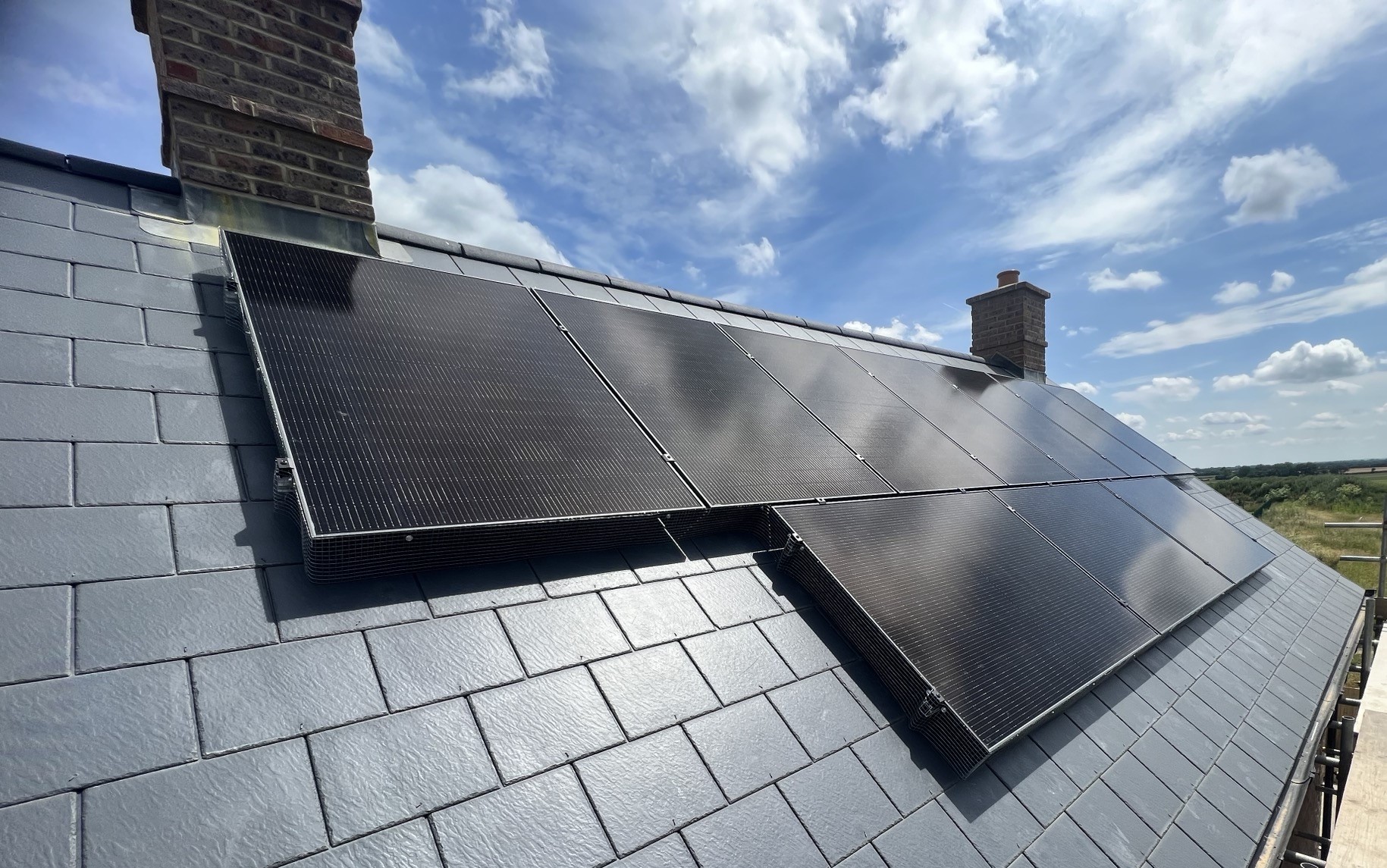
In England, most domestic solar panel installations fall under Permitted Development Rights. This means you can normally install roof mounted solar panels without submitting a planning application, provided the installation meets certain conditions.
Generally, your installation should:
- Not protrude excessively above the roof surface
- Be positioned to minimise visual impact where practical
- Be removed when no longer in use
- Comply with relevant Building Regulations and electrical standards
For the vast majority of homeowners, this allows solar panels to be installed without delays caused by the planning process.
When Is Solar Planning Permission Required?
Although many installations don’t require planning permission, there are situations where approval may be necessary. These include:
- Listed Buildings: if your property is listed, planning permission and Listed Building Consent are often required before installing solar panels. The local planning authority will assess how the installation affects the building’s historic character. SolarTherm UK regularly advises homeowners on suitable installation options that balance renewable energy with heritage requirements.
- Conservation Areas: living within a conservation area doesn’t automatically prevent you from installing solar panels. However, additional restrictions may apply, particularly where panels would face a public highway or significantly alter the appearance of the property. Every local authority interprets planning policies slightly differently, making professional guidance particularly valuable.
- Ground Mounted Solar Panels: ground mounted systems are often installed when roof orientation isn’t suitable, the roof has limited available space or when homeowners require a larger solar array than their roof allows. Smaller domestic systems frequently fall under Permitted Development Rights, but larger installations may require planning approval depending on height, size and proximity to property boundaries.
- Flat Roof Installations: flat roof solar panels are usually installed using angled mounting systems. Planning permission is rarely required, provided the installation remains within permitted development limits and isn’t visually intrusive.
What About New Builds?
Many new build properties can have solar panels installed without planning permission. However, homeowners should always check estate covenants, developer restrictions and leasehold agreements. These restrictions are separate from planning permission and may still require approval from a management company.
Building Regulations Still Apply
Even if planning permission isn’t required, all installations must comply with UK Building Regulations.
These include:
- Part P Electrical Safety: solar PV systems must be installed safely and comply with electrical regulations. SolarTherm UK installations are completed by qualified, NICEIC accredited electricians to ensure compliance.
- Structural Safety: your roof must be capable of supporting the additional weight of the solar system. As part of every survey, our experienced team assesses roof condition, structure and installation suitability.
- Fire Safety: installations should be designed with appropriate cable routing, isolation equipment and safe access where required. Professional installation significantly reduces future risks.
How SolarTherm UK Helps
Planning regulations can appear confusing, especially if you’ve never installed renewable technology before. Our process removes that uncertainty.
Every homeowner receives:
- A detailed property assessment
- Planning guidance specific to their property
- Advice on conservation areas or listed buildings
- DNO application management where required
- Fully compliant installation design
- Ongoing support before, during and after installation
With over 16 years’ experience installing solar PV systems across Essex, Kent, Suffolk, Hertfordshire and the wider South East and East Anglia, SolarTherm UK understands both local authority requirements and regional DNO processes.
Our in house installers work to recognised industry standards as an MCS Certified Contractor, NICEIC Approved Installer and EPVS Gold Standard member, giving homeowners confidence that every installation is designed, installed and commissioned correctly.
Why Professional Advice Matters
No two properties are identical. Factors such as roof orientation, age, location, conservation status and network capacity all influence whether additional approvals are needed. Attempting to navigate planning rules and DNO requirements alone can delay your installation unnecessarily. Working with an experienced installer like SolarTherm UK, helps identify any issues early, ensuring your project progresses efficiently while remaining fully compliant.
Trust SolarTherm UK for Expert Solar Guidance
Whether you’re installing solar panels on a modern family home, a rural property in Suffolk or a character property in Kent or Essex, understanding the planning process is essential.
SolarTherm UK provides expert advice from your initial survey through to installation, helping homeowners across the South East and East Anglia understand planning requirements, DNO approvals and Building Regulations with confidence.
Our experienced in house teams stay up to date with current legislation, installer standards and network requirements, ensuring every solar PV system is designed for compliance, long term performance and maximum value.
Contact SolarTherm UK today for a free, no obligation quote and design, tailored to your property, usage and future energy needs. No hard sell, just honest, expert advice – and the time you need to make an informed decision.
Your home. Your energy. Your future.
Frequently Asked Questions
Most homeowners do not. Roof-mounted solar panels generally fall under Permitted Development Rights, although listed buildings and some conservation areas may require approval.
DNO meaning is Distribution Network Operator. The DNO manages the local electricity network and approves certain solar installations before they connect to the grid.
A DNO letter is official confirmation from your Distribution Network Operator regarding your solar connection application or approval.
No. Planning permission relates to local authority regulations, while DNO approval relates to connecting your solar system safely to the electricity network.
Yes. Where approvals are required, SolarTherm UK manages the process on your behalf, helping reduce delays and ensuring your installation complies with current regulations.