Investing in solar is a smart way to reduce your energy bills and lower your carbon footprint. The installation is just the first step, knowing how to get the most out of your solar investment and how to monitor your solar energy production is just as important as having the panels installed. Monitoring helps you understand your system’s performance, detect any issues early and maximise energy savings.
There’s no point having your solar PV system installed if you’re not going to get the most out of it. Here’s how you can effectively monitor your solar energy production at home.
Understand Your Solar System
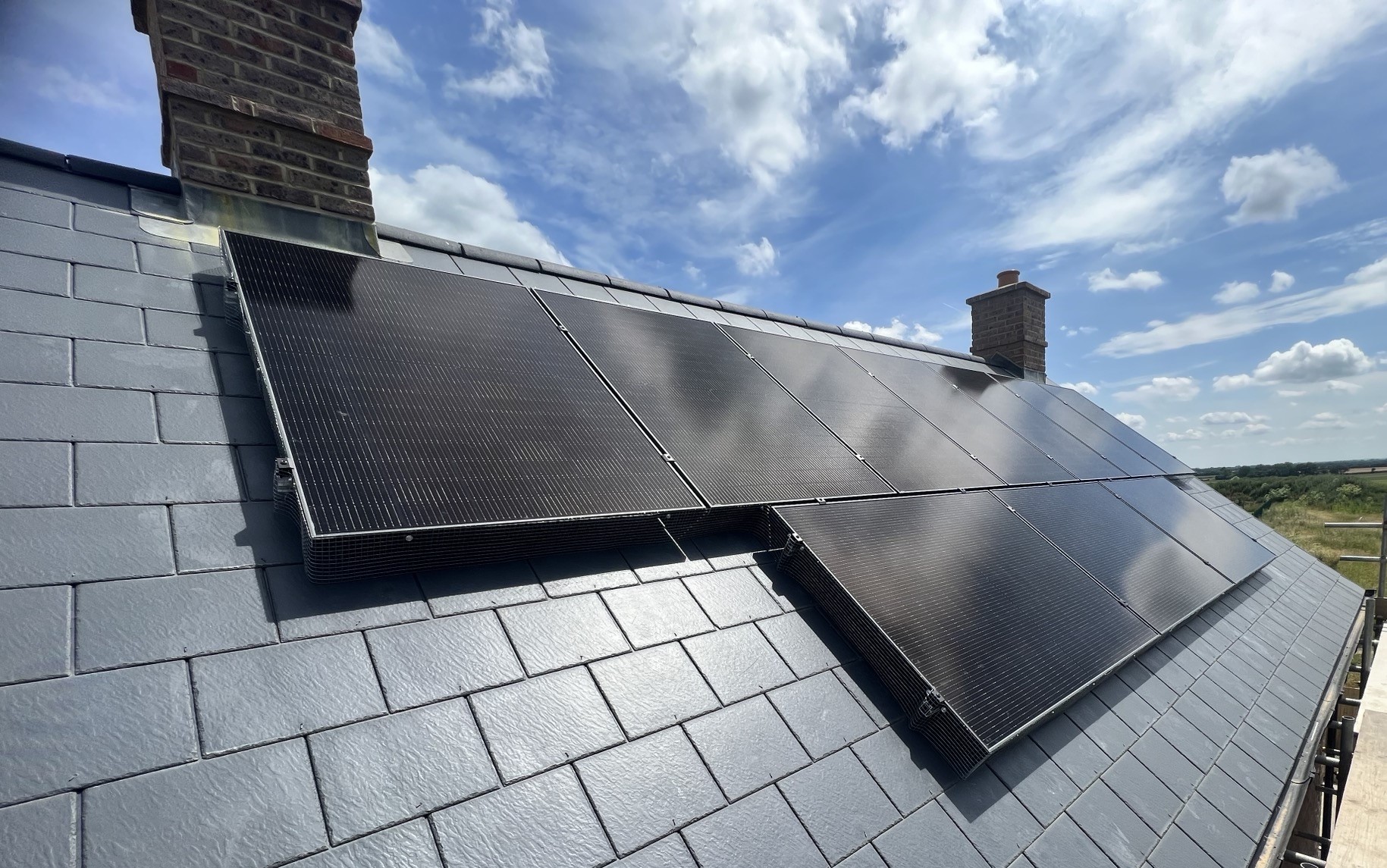
Before you start monitoring your solar PV system, it’s important to know what your system includes. The basic solar PV system includes solar panels, inverter and metering devices. Your solar panels convert sunlight into DC (direct current) electricity, you need a solar inverter to convert the DC electricity into usable AC (alternating current) electricity to be used in your home. You will have a generation meter installed to measure your solar system’s generation and consumption. Knowing the components will help you learn how and where to monitor your energy production.
Use Your Solar Inverter’s Monitoring Features
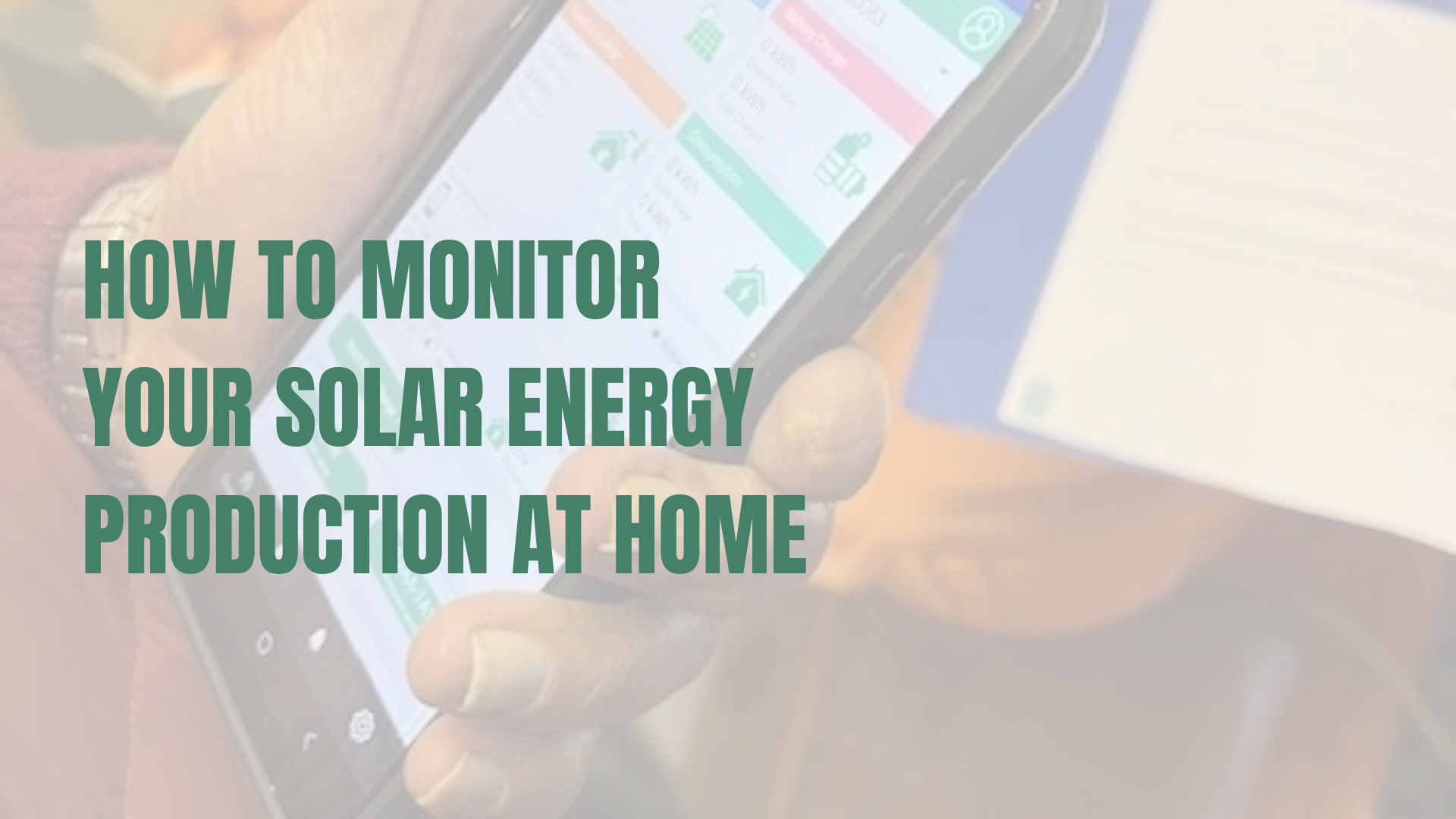
Most solar inverters come with built-in monitoring systems. They allow you to track daily, weekly and monthly energy production and see what energy has been exported back to the grid. Your solar inverter will also inform you of any alerts and the status of your system. Most inverters can now also be connected to a smartphone app or web portal. Monitoring apps give you real-time insights from anywhere. Regularly checking your inverter can help you detect any drop in efficiency and monitor if it is due to a change in weather or a fault on your system.
Install a Smart Energy Monitor
A smart meter is the perfect addition to your solar PV system. A smart meter lets you monitor how much energy your home is using vs how much is being produced. You can also see peak production times and energy savings over time, helping you optimise energy use and reduce waste.
Keep an Eye on Your Energy Bills
You electricity bills can also provide clues about your solar production. A lower than expected bill usually means your system is producing efficiently. If you bill starts rising and there’s no explainable reason – such as higher energy usage or low sunlight days – your electricity bill can indicate a problem with your solar PV system.
Perform Regular Maintenance Checks
Monitoring isn’t just about the numbers, physical checks are also important. Check your panels for dirt and debris, cleaning anything that is stubborn and not clearing through rainfall. Check for overhanging trees and shading, shading can cause a significant decrease in efficiency, so it’s important to cut back any trees that may cause a problem. Check your wiring and inverters are functioning correctly, your solar inverter screen will inform you of any system faults.
Set Performance Benchmarks
Tracking your solar production over time helps you establish benchmarks. Compare your production during similar months in previous years to identify trends and potential issues. Consistent monitoring helps you maintain peak performance and maximise savings.
Seek Professional Help When Needed
If you notice a significant, unexplainable drop in production, unusual inverter alerts or suspect a fault, contact SolarTherm UK. At SolarTherm UK, we’re experienced in system diagnostics, from small problems to more serious issues, we can provide a quick and responsive resolution, preventing small problems turning into expensive repairs.
Monitoring your solar energy production is essential for maximising the benefits of your solar panels. Regular monitoring of your system helps you identify small issues before they become expensive repairs, check that your solar PV system is performing efficiently and saving you money. Combining inverter apps, smart monitors and bills tracking you can keep your system running more efficiently for longer.
At SolarTherm UK we provide expert guidance and support to ensure your solar PV system performs at its best. For help with installation, monitoring or maintenance contact us today or visit our Customer Support Helpdesk.
Ready to Start Your Solar Journey?
Contact SolarTherm UK today for a free no obligation quote and design, tailored to your property, usage and future energy needs. No hard sell, just honest, expert advice – and the time you need to make an informed decision. Whether you have a south facing or flat-roof, looking to save money on your energy bills or to reduce your carbon footprint. At SolarTherm UK, we have a solar design perfect for your property.
Your home. Your energy. Your future.
Frequently Asked Questions
Most modern solar PV systems allow you to monitor energy production through an inverter or monitoring app. These systems can show how much electricity your panels are generating in real time and over longer periods.
Depending on your system, a monitoring app can show solar generation, household electricity consumption, battery charge levels and how much energy is being exported to the grid. This can help you understand how your system is performing.
Monitoring your solar generation helps you spot changes in performance and understand when your panels are producing the most electricity. It can also help you adjust your energy usage to make better use of your solar power.
Solar generation varies depending on your system size, roof orientation, shading, weather and time of year. Production is generally highest during the sunnier months and significantly lower during winter.
Yes. A battery is not required to monitor your solar PV system. Your inverter or monitoring platform can usually provide information about electricity generated by your panels whether or not you have battery storage.
A sudden drop in generation can have several causes, including heavy cloud, shading, dirt on the panels, an inverter issue or a fault within the system. If the reduction cannot be explained by weather or seasonal changes, it is worth having the system checked by a qualified solar installer.