Everything UK Homeowners Need to Know
Thinkning about adding a solar battery to your home? Whether you’re installing solar panels for the first time or upgrading an existing system, home battery storage can significantly increase your energy independence, reduce your electricity bills and help you get the most from your solar investment.
At SolarTherm UK, we’ve been designing and installing residential solar and battery systems for homeowners across Essex, Kent, Suffolk, Hertfordshire and the wider South East and East Anglia for over 16 years. Our MCS certified, NICEIC approved team designs every system around how each household actually uses electricity – maximising both savings and long term performance.
What Is a Solar Battery?
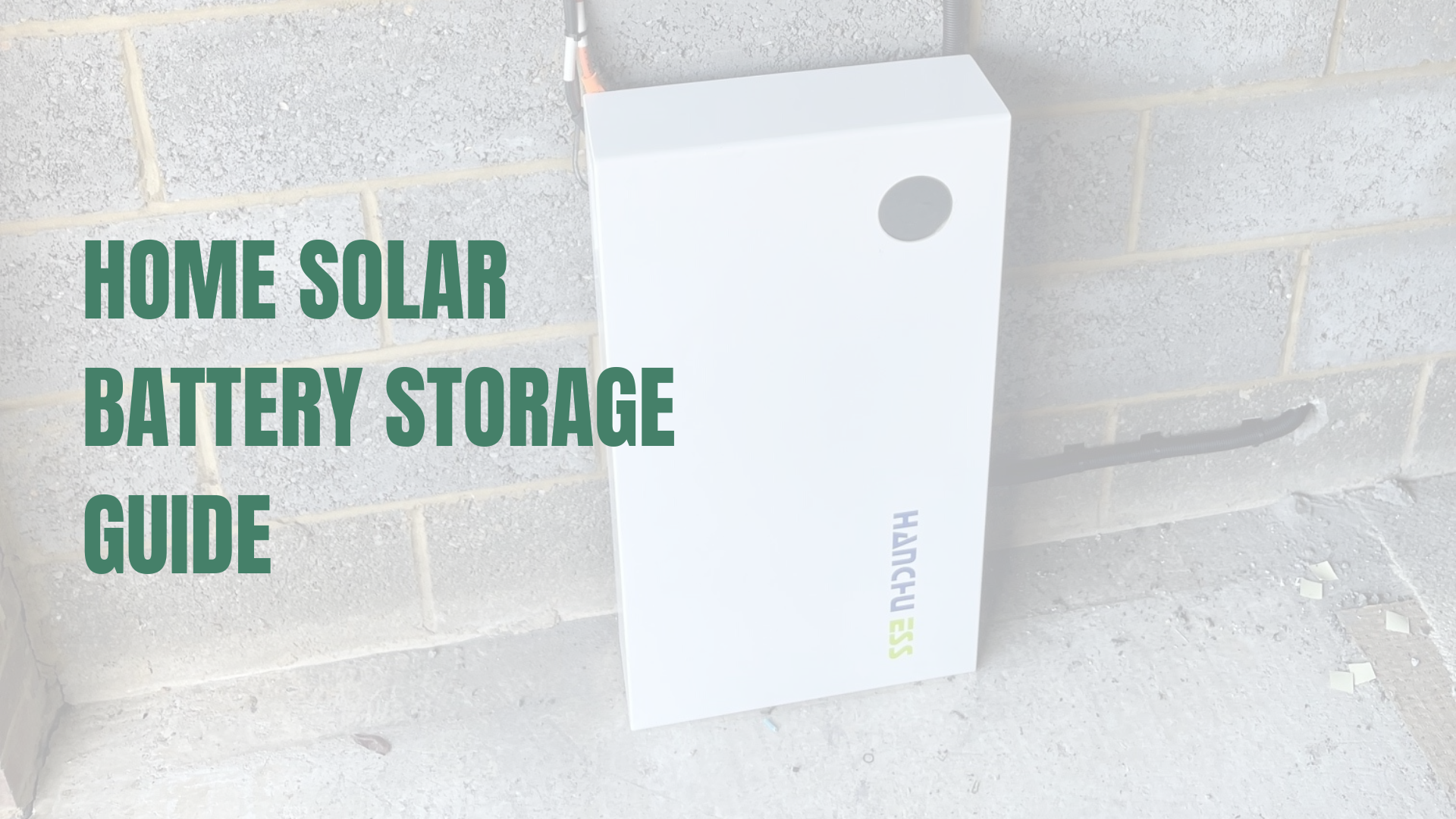
A solar battery stores surplus electricity generated by your solar panels instead of exporting it straight to the National Grid.
Rather than losing unused daytime generation, your home battery storage system keeps that electricity ready for when you need it most, during the evenings or overnight. If your system is compatible, it can even keep your home running during grid outages.
Without battery storage, most households use only around 40-60% of their self-generated electricity. With the right home battery storage system, self-consumption can typically increase to 70-90%, helping homeowners maximise their return on investment.
Why More UK Homeowners Are Choosing Home Battery Storage
As electricity prices remain unpredictable, more homeowners are looking beyond simply generating electricity – they want to store it too.
Adding a solar battery allows you to:
- Use more of your own free electricity
- Reduce reliance on the National Grid
- Lower energy bills further
- Improve solar payback
- Take advantage of smart energy tariffs
- Future proof your home for changing electricity prices
For many households across the South East, home battery storage has become one of the most valuable upgrades to a solar PV system.
How Does a Solar Battery Work?
The process is straightforward.
- During the Day: your solar panels generate electricity. You home uses the electricity first and any surplus electricity is used to charge your battery. Once the battery is full, any excess electricity is exported to the grid for payment via Smart Export Guarantee (SEG).
- During the Evening: instead of buying expensive grid electricity from your supplier, your home automatically draws stored power from the battery. This reduces imports and lowers your electricity bill further.
Can You Add a Solar Battery Later?
Absolutely. Many homeowners initially install solar panels before adding home battery storage later.
At SolarTherm UK, we regularly retrofit batteries onto existing systems throughout Essex, Kent, Suffolk, Hertfordshire and the wider South East and East Anglia. Provided your existing solar installation is suitable, a battery can usually be integrated without replacing your panels.
How Much Can Home Battery Storage Save?
Savings depend on several factors – electricity usage patterns, solar system size, battery capacity, electricity tariff, time spent at home – all affect how much you can save with a solar battery. Generally, a battery allows homeowners to use significantly more of the electricity they generate themselves.
Instead of exporting energy for a relatively low payment, you’re avoiding buying electricity at retail prices – which is usually far more valuable.
Many homeowners also benefit from:
- Reduced evening electricity costs
- Lower winter bills
- Better return on solar investment
- Increased protection against future energy price rises
Home Battery Storage and Smart Tariffs
One of the biggest advantages of modern solar batteries is compatibility with smart electricity tariffs.
AC-coupled battery systems can:
- Charge overnight using cheaper off peak electricity
- Power your home during expensive peak periods
- Store surplus solar generation
- Export electricity when export rates are favourable
This flexibility gives homeowners much greater control over energy costs throughout the year and allows homeowners to find the perfect balance between storing and exporting surplus energy for maximum savings.
Choosing the Right Battery Size
The biggest battery isn’t always the best battery. At SolarTherm UK, every battery recommendation is based on:
- Your electricity usage: we analyse your annual consumption and daily demand.
- Solar generation: your battery should complement your solar production rather than exceed it unnecessarily.
- Future plans: planning an EV, considering a heat pump or working from home? These all affect the ideal battery size. A professionally designed system ensures your battery works efficiently rather than sitting partially unused.
Can Home Battery Storage Work Without Solar Panels?
Yes. Some homeowners install standalone battery storage to benefit from time of use electricity tariffs. The battery charges during cheaper overnight periods and powers the home during peak rate hours. However, combining solar panels with home battery storage usually delivers the greatest financial and environmental benefits.
Is Home Battery Storage Worth It?
For many UK households, yes. Battery technology has become more affordable, more efficient and longer lasting. Combined with rising electricity prices and improved smart tariffs, batteries now provide excellent value for many homeowners.
The benefits include:
- Greater energy independence
- Lower electricity bills
- Better use of solar generation
- Reduced carbon emissions
- Improved solar payback
- Increased resilience against future energy costs
How Long Do Solar Batteries Last?
Modern lithium-ion batteries are designed for long term use. Most quality systems include warranties of around 10 years, although many continue to perform efficiently well beyond this.
Battery lifespan depends on the number of charge cycles, installation quality, temperature, usage patters and battery management software. Choosing an experienced installer like SolarTherm UK, ensures your battery operates within optimal conditions, helping maximise its service life.
Professional Installation Matters
Not all battery installations are equal. A professionally designed system should include:
- Correct battery sizing
- Safe electrical installation
- Proper inverter configuration
- Grid compliance
- Smart monitoring
- Future expansion options
SolarTherm UK’s qualified engineers ensure every installation meets the latest UK regulations and industry standards.
Why Choose SolarTherm UK?
Choosing a battery installer is about more than finding the lowest quote. Homeowners across Essex, Kent, Suffolk, Hertfordshire and surrounding areas choose SolarTherm UK because we provide:
- Over 16 years of residential solar experience
- MCS certified solar installations
- NICEIC approved electricians
- Bespoke system designs
- Honest, no pressure advice
- Premium battery and inverter technology
- Ongoing customer support after installation
Every home is different. That’s why we carry out a detailed assessment of your roof, electricity usage and lifestyle before recommending the right home battery storage solution.
Our aim isn’t simply to install equipment – it’s to design a system that delivers long term savings and dependable performance.
The Bottom Line
A solar battery is one of the smartest ways to maximise your solar investment. By storing excess electricity for later use, home battery storage helps reduce energy bills, improve self-sufficiency and shorten the overall payback period of your solar system.
Whether you’re installing a new solar PV system or upgrading an existing one, the right battery can transform how your home uses energy.
If you’re based in Essex, Kent, Suffolk, Hertfordshire, or anywhere across the South East or East Anglia, SolarTherm UK can help. Contact us today for a free, no obligation quote and design, tailored to your property, usage and future energy needs. No hard sell, just honest, expert advice – and the time you need to make an informed decision.
Your home. Your energy. Your future.
Frequently Asked Questions
No. A battery can be installed on its own to take advantage of off-peak electricity tariffs, although combining it with solar panels usually provides the greatest savings.
Battery capacities vary depending on the model. The right size depends on your home’s energy usage, solar generation and future electricity demand.
Some battery systems offer backup power functionality, but not all do. If this feature is important, it should be included during the design stage.
Yes. Many existing solar PV systems can be upgraded with home battery storage, subject to compatibility with your inverter and electrical installation.
For many households, yes. Rising electricity prices, improved battery technology and smart tariffs mean batteries can significantly increase solar savings while reducing dependence on the grid.