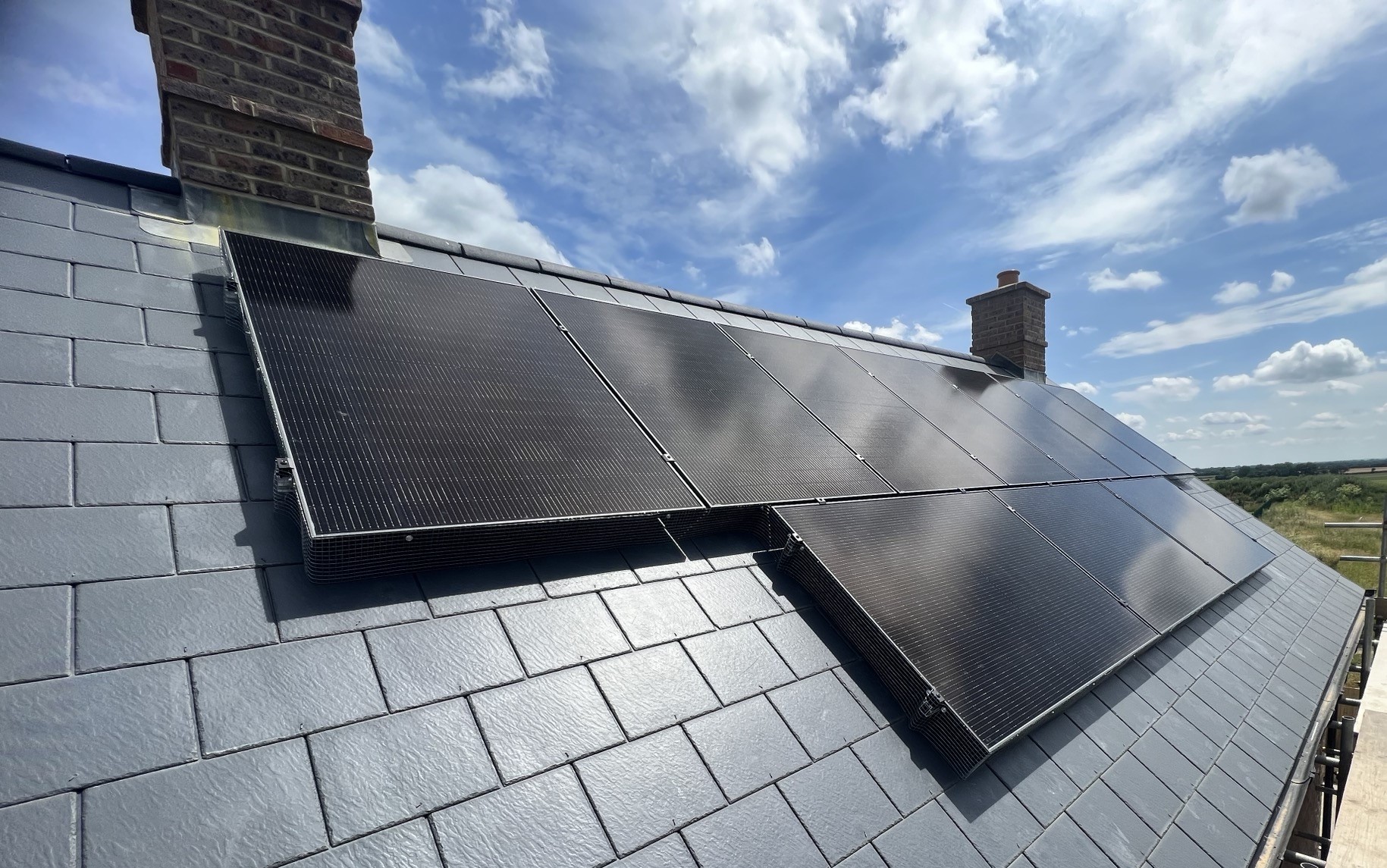
As energy prices rise and weather-related power cuts become more disruptive, many UK homeowners are looking for reliable ways to keep their homes powered and reduce reliance on the National Grid. Traditionally, generators have been the default backup power solution for homes in power cut prone areas, but advances in renewable technology have made home battery storage a cleaner, smarter alternative.
So, which option is better: a home battery system or a generator? In this guide we compare both solutions in detail, examining how they work, their costs, environmental impact and long term benefits. Whether you’re planning to add battery storage to a solar PV system or considering a generator for emergency backup, this article will help you decide which solution best suits your home.
What Is a Home Battery?
A home battery is an energy storage system that allows you to store electricity for use when you need it most. When paired with a solar PV system, a home battery stores surplus electricity generated during the day instead of exporting it all back to the grid. That stored energy can then be used in the evening, overnight or in the event of a power failure.
Popular home battery brands in the UK include Tesla, Hanchu ESS, Fox ESS, Duracell and Sigenergy. At SolarTherm UK we install Hanchu ESS, Tesla Powerwall 3 or Sigenergy SigenStor batteries, which offer a modular, stackable solution to battery storage, allowing you to expand capacity over time as your energy needs change.
Home Battery Storage for Backup Power
Advantages of a Home Battery System
Lower Energy Bills
By storing surplus solar energy, a home battery reduces the amount of electricity you need to buy from the grid. Instead of exporting excess power at low rates, you can use it yourself during peak hours when electricity is more expensive.
Greater Energy Independence
Home batteries significantly reduce reliance on energy suppliers. Advanced systems, such as those with integrated gateways, can provide seamless backup power during outages, keeping essential circuits or even your entire home running without interruption.
Supporting the National Grid
Battery storage helps balance demand on the National Grid by shifting energy use away from peak periods. In the UK, schemes such as the Smart Export Guarantee (SEG) allow homeowners to earn money by exporting excess electricity, improving overall system payback.
Even without solar panels, batteries can be charged during off peak periods and discharged when electricity prices are higher, maximising savings while supporting grid stability.
Sustainability Benefits
Home batteries increase self-consumption of renewable energy, reducing reliance on fossil fuels and lowering household carbon emissions. This makes them an ideal solution for homeowners aiming to future proof their energy use.
Longer Warranties
Most leading battery manufacturers offer warranties of 10-15 years, typically guaranteeing performance or a minimum remaining capacity. Generator warranties, by comparison are usually much shorter and often limited by operating hours.
Disadvantages of a Home Battery System
Higher Upfront Costs
Although battery storage currently benefits from 0% VAT in the UK, the initial investment can still be significant. While long term savings are strong, the upfront cost may not suit every household.
What Is a Generator?
A generator produces electricity by converting mechanical energy into electrical power, usually using diesel, petrol or LPG. During a power cut, a generator can be started manually or automatically to supply electricity to selected circuits or an entire property.
Generators range from small portable units to large standby systems capable of powering whole homes or commercial buildings.
Generators for Backup Power
Advantages of Installing a Generator
Reliable Power on Demand
Generators can provide continuous electricity as long as fuel is available, regardless of weather conditions. This makes them a dependable option during extended outages.
Lower Initial Puchase Cost
Generators are often cheaper to buy upfront than a home battery system, which can make them more accessible for short term or occasional backup needs.
Potentially Long Service Life
With regular maintenance, generators can operate for many years, While batteries are limited by charge cycles, generators are measured by operating hours and can last decades if used infrequently.
Disadvantages of Installing a Generator
Fuel Dependency
Generators rely on stored fuel, which can be expensive, volatile in price and inconvenient to manage during prolonged outages.
Environmental Impact
Generators produce emissions, noise and fumes, making them less suitable for environmentally conscious households. Due to this, they are typically installed outdoors.
Ongoing Maintenance
Regular servicing is required to ensure reliability, adding to long term running costs.
Can a Home Battery and Generator Work Together?
A home battery and generator can be combined to create a highly resilient energy system. In a hybrid setup, solar panels charge the battery during the day, and the battery supplies power during the evening or short outages. If the battery reaches a low state of charge during extended outages or poor weather, the generator can automatically start to recharge the battery or power essential loads.
This configuration is particularly beneficial for rural or off grid properties.
Benefits of Combining a Home Battery and Generator
Extended Backup Power
Batteries handle short outages quietly and efficiently, while generators provide security during prolonged power cuts.
Reduced Generator Runtime
As a battery meets most of your daily energy needs, a generator will run less frequently, lowering fuel consumption, emissions and noise and prolonging it’s lifespan.
System Flexibility
A combined system allows you to operate in grid tied or off grid modes, offering export income when connected to the grid and full independence when needed.
Important Considerations
Not all battery systems support generator integration. It’s essential to select compatible batteries and inverters with dedicated generator inputs or smart ports. System configuration is equally important. Features such as state of charge thresholds, determine when the generator activates, making professional installation and setup critical for reliable performance.
Final Thoughts: Home Battery or Generator?
Choosing between a home battery and a generator depends on your priorities:
- Frequency of use: regular savings and short outages favour batteries; long outages may favour generators.
- Budget: batteries cost more upfront, but generators incur ongoing fuel and maintenance costs.
- Environmental impact: batteries offer a cleaner, quieter solution.
- Power requirements: batteries suit daily efficiency; generators deliver higher output for extended demands.
Many homeowners in power failure prone areas choose a hybrid approach, combining both technologies for maximum reliability, efficiency and peace of mind.
If you’d like expert advice on home battery storage and integrated solar PV systems, SolarTherm UK can help. Contact us today for a free, no obligation quote and design, tailored to your property, usage and future energy needs. No hard sell, just honest, expert advice.
Your home. Your energy. Your future.