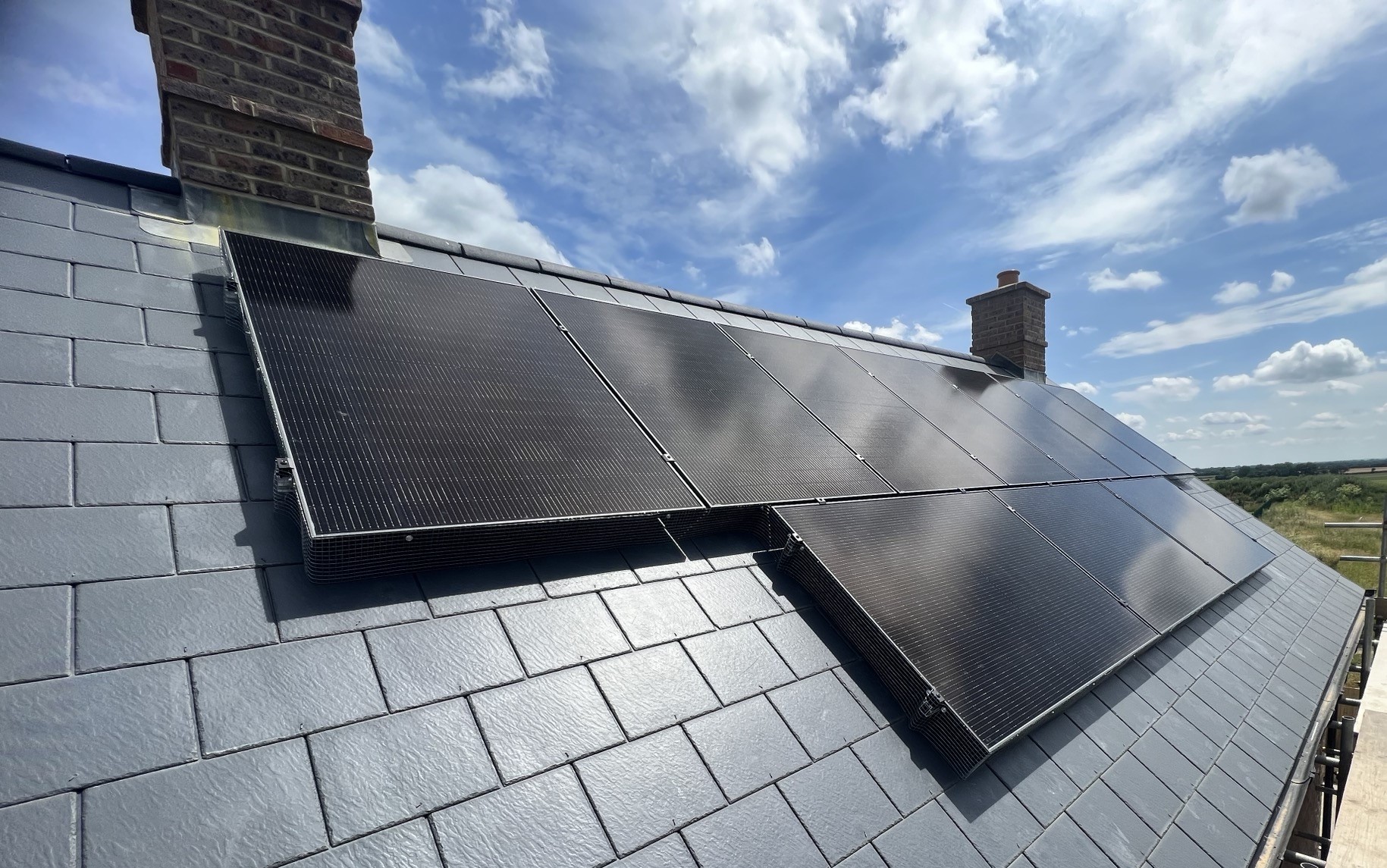
As we move closer towards May, solar production across the South East begins to ramp up significantly. Longer daylight hours and stronger sunlight mean your system will soon be generating some of its highest outputs of the year.
If you already have solar panels installed, now is the time to optimise performance, maximise savings and ensure your system is running efficiently ahead of peak season.
Why Spring Is the Most Important Time for Solar Owners
Spring is the transition period where solar generation sharply increases after the low output winter months. By late April and May, many homeowners start exporting excess electricity to the grid without fully benefitting from it.
Preparing your system now ensures you:
- Capture more of your own solar energy
- Reduce reliance on grid electricity
- Improve return on investment (ROI)
- Extend the lifespan of your system
Shift Your Energy Usage to Daylight Hours
One of the simplest but most effective changes is using electricity when your panels are generating it. During May, your system will produce the majority of its energy between late morning and early afternoon.
- Run energy heavy appliances between 10am and 4pm
- Avoid heavy usage in the evening where possible
- Use times or smart plugs to automate usage
This reduces the need to import electricity at peak tariff rates and increases your self-consumption – a key factor in improving overall savings.
Run Power Hungry Appliances Midday
To align with peak solar production, prioritise high energy appliances during daylight hours – washing machines, dishwashers, tumble dryers and EV charging. Running these appliances when your system is producing energy allows you to use your own electricity instead of buying from the grid. Every unit of your self-generated electricity you use, is a unit you don’t need to pay expensive suppliers for.
Make the Most of Battery Storage
If your system includes battery storage, spring is when it really starts to deliver value. A battery allows you to store surplus energy generated during the day and use it in the evenings and overnight when generation has halted. This further reduces reliance on expensive grid electricity.
If you don’t yet have battery storage, spring is often when homeowners notice how much unused energy they’re exporting – making it the ideal time to consider adding a battery.
Check Your System Is Performing Optimally
After winter, it’s important to ensure your system is operating at full efficiency.
Key checks include:
- Visual inspection for dirt, debris and new shading
- Monitoring your inverter output
- Reviewing generation data via your app or portal
- Checking for error messages or performance drops
Even small inefficiencies can impact your annual yield, particularly during high production months like May, June and July.
Clean Panels (If Needed) for Peak Efficiency
In the UK, rainfall usually keeps panels relatively clean. However, pollen, dust, bird droppings and debris can build up over winter and early spring.
A professional clean or safe manual clean (if accessible) can improve performance, particularly if panels appear visibly dirty, you’re noticing lower than expected output and your system is installed at a shallow angle.
Monitor Export vs Self-Consumption
Many homeowners don’t realise how much energy they’re exporting back to the grid – often at lower rates than the cost of buying electricity. Spring is the ideal time to review your export data and adjust habits to increase self-consumption. Considering upgrades like battery storage and smart energy management can also help increase self-consumption and long term performance and savings.
Why This Matters for South East Homeowners
Homes across the South East benefit from some of the highest solar irradiance levels in the UK. That means:
- Higher generation potential
- Faster return on investment
- Greater savings when systems are correctly used
Maximising your system now ensures you fully capitalise on the most productive months of the year.
Why Trust SolarTherm UK?
At SolarTherm UK, we specialise in helping homeowners across the South East get the most from their solar PV systems – not just at installation, but throughout their lifespan.
- Experienced solar PV specialists
- Local expertise in South East conditions
- Ongoing support and system optimisation advice
- Transparent, customer focused approach
We don’t just install systems – we help you maximise their long term performance and savings.
Final Thoughts
May marks the beginning of your solar system’s most productive period. By making a few simple adjustments – using energy during the day, running appliances at the right time, and ensuring your system is in top condition – you can significantly increase your savings and efficiency.
If you’re unsure whether your system is performing as it should, or you’re considering adding battery storage, SolarTherm UK is here to help. No hard sell, just honest, expert advice – and the time you need to make an informed decision.
Your home. Your energy. Your future.
FAQs
Do I need to service my solar panels every year?
Solar PV systems are generally low maintenance, but an annual visual check can help identify performance issues early and ensure optimal output.
What time of day do solar panels work best in the UK?
Typically between 10am and 4pm, with peak production around midday during spring and summer.
Is it worth getting a battery if I already have solar?
Yes — especially if you’re exporting a lot of energy. A battery allows you to store and use your own electricity later, increasing savings.
How do I know if my system isn’t performing properly?
Look for drops in generation, error messages on your inverter, or lower output compared to similar sunny days.
Does cleaning solar panels make a big difference?
In some cases, yes — especially if there’s visible dirt or debris. Even a small efficiency gain can add up over peak months.