Smart meters can make it easier to monitor your electricity use, understand your energy bills and access tariffs that reward flexible energy consumption. But are smart meters any good, particularly if you have solar panels or are thinking about installing them?
For homeowners, the answer depends on how you use energy and what you want to get out of your electricity supply. A smart meter can help you track household consumption, receive automatic meter readings and, where the meter and tariff support it, measure electricity exported to the grid.
However, a smart meter does not automatically measure how much electricity your solar panels generate. Your solar inverter or monitoring system normally provides that information. Understanding the difference between electricity generation, household consumption and grid exports is essential when assessing the benefits of a smart meter.
In this guide, we explain the advantages and disadvantages of smart meters, how they work with solar panels, whether you need one for Smart Export Guarantee (SEG) payments and what to consider before arranging an installation.
Why Smart Meters Matter for Solar Homes
If you already have solar panels or are thinking of switching to solar, a smart meter becomes even more beneficial. It’s your gateway to:
- Smart Export Guarantee (SEG) payments
- Accurate measurements of excess solar energy
- Real time monitoring to help you optimise your solar usage
With more than 60% of UK homes now using smart meters, they’re rapidly becoming standard for anyone serious about saving energy and money.
What Is a Smart Meter?
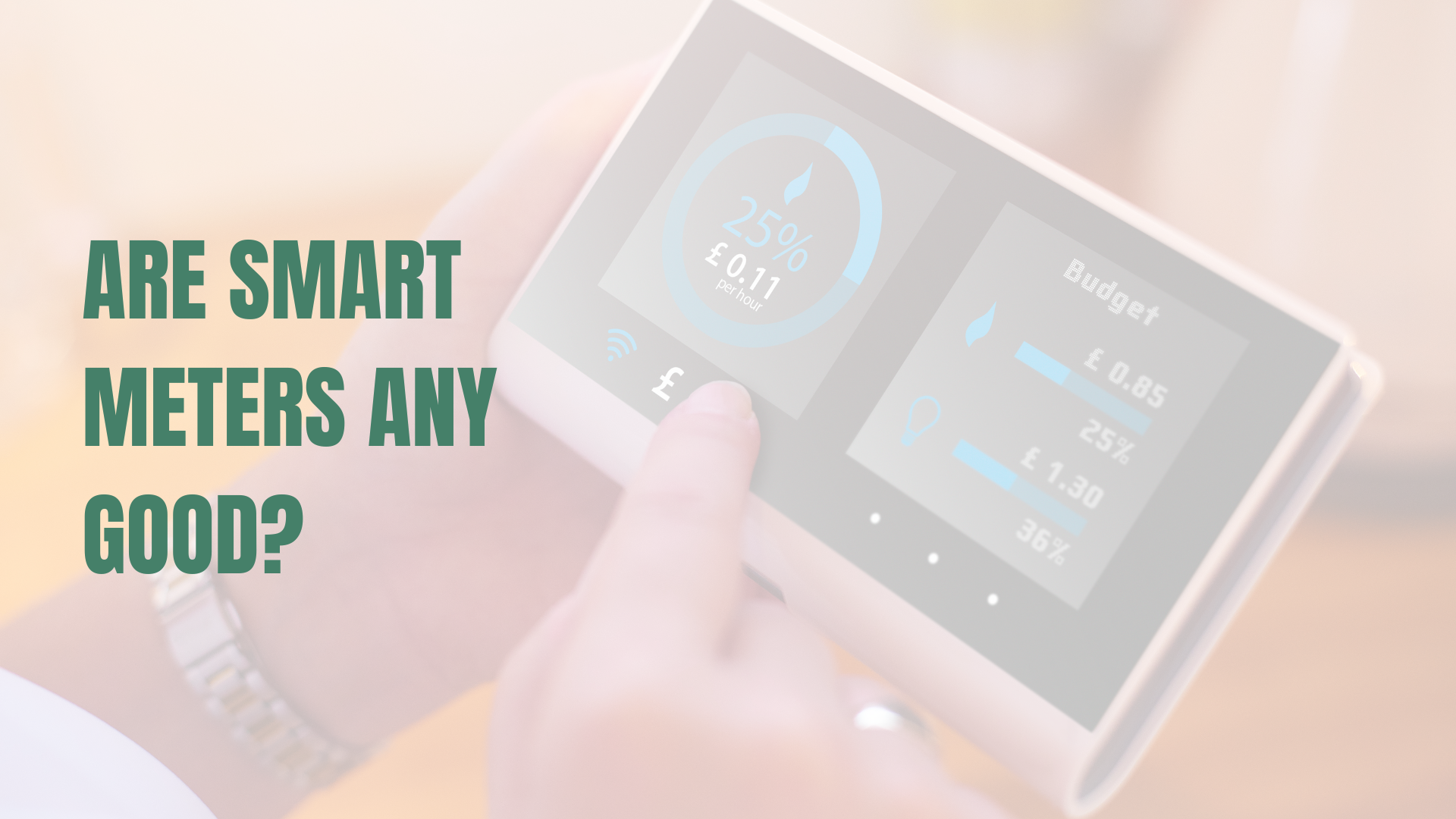
A smart meter is a digital energy meter that records your gas and electricity usage, automatically sending accurate meter readings to your supplier. It connects to a small in home display (IHD) that shows, in real time:
- How much electricity you’re using
- What appliances are costing you to run
- When your usage spikes
In homes with solar PV systems, the smart meter also tracks how much surplus electricity your export to the grid, which is crucial for receiving SEG payments.
Do Smart Meters Work with Solar Panels?
Yes, smart meters can work alongside solar panels. They help measure the electricity your home imports from the grid and, where the meter supports it, the electricity your solar PV system exports back to the grid.
However, it is important to understand that a smart meter does not necessarily show you how much electricity your solar panels generate. Your smart meter and solar monitoring system perform different functions, and understanding the difference can help you make better use of your solar energy.
What Does a Smart Meter Measure When You Have Solar Panels?
When you have solar panels installed, your home’s electricity supply involves three important measurements:
- Solar generation: The electricity produced by your solar panels. This is normally monitored through your solar inverter or its accompanying monitoring app.
- Electricity import: The electricity your home takes from the National Grid when your solar panels are not generating enough to meet demand.
- Electricity export: Any surplus electricity your solar system sends back to the grid when generation exceeds your home’s immediate consumption.
For example, if your solar panels generate 3kWh of electricity during a sunny afternoon and your home uses 2kWh at the same time, the remaining 1kWh could be exported to the grid, assuming your system is operating normally and there are no other energy flows to account for.
Your smart meter can help record the electricity flowing between your property and the grid, while your solar monitoring system can show how much energy your panels are generating.
Can a Smart Meter Help You Make Better Use of Solar Energy?
Yes, although the benefits depend on your meter, tariff and monitoring equipment.
By understanding how much electricity you import and export, you can start identifying opportunities to use more of the electricity your panels generate. For example, running your washing machine, dishwasher or other suitable appliances during periods of strong solar generation may reduce the amount of electricity you need to buy from your supplier.
If you also have a home battery, you can store surplus solar electricity for use later, such as during the evening. Your inverter or battery monitoring app will generally provide more detailed information about generation, consumption and battery charging than a standard smart meter display.
The bottom line: Smart meters and solar panels can work well together, but a smart meter is not a substitute for a dedicated solar monitoring system.
Do You Need a Smart Meter for Solar Panels?
No, you do not generally need a smart meter simply to have solar panels installed on your home. However, having a suitable meter can be important if you want to receive payments for the surplus electricity your solar PV system exports to the grid.
The type of meter you need depends on whether you simply want to generate your own electricity or also want to receive payments for exporting unused energy.
Do You Need a Smart Meter to Install Solar Panels?
A smart meter is not a universal requirement for installing a solar PV system. Your installer will design the system around your property’s electrical installation, energy requirements and the relevant connection requirements.
Your existing electricity meter and the arrangements with your energy supplier may need to be reviewed, particularly if you intend to export surplus electricity.
Do You Need a Smart Meter for Smart Export Guarantee Payments?
The Smart Export Guarantee (SEG) allows eligible homeowners to receive payments from participating electricity suppliers for electricity exported to the grid.
To qualify, your installation must meet the relevant SEG requirements, including having an eligible export meter capable of measuring exported electricity in half-hourly intervals. A smart meter is the usual way to provide these readings, although a qualifying alternative may be accepted.
Before signing up for an export tariff, check the following with your chosen supplier:
- Whether your existing electricity meter can record eligible export readings.
- Whether half-hourly export data is available.
- Whether your solar PV installation meets the supplier’s eligibility requirements.
- Whether any additional meter configuration or registration is needed.
Do not assume that having a smart meter automatically means your export payments are set up correctly. Your supplier will need to confirm that the meter and tariff arrangements are suitable.
What If You Have Solar Panels but No Smart Meter?
You can still use the electricity generated by your solar panels without a smart meter. Your solar inverter should provide information about generation, and your household can use that electricity whenever it is available.
However, you may need to arrange a suitable export meter if you want to receive SEG payments and your existing meter cannot provide the required readings.
Our advice: If you are planning to install solar panels, ask your installer and electricity supplier about your metering arrangements early in the process. This can help you avoid unnecessary delays when setting up an export tariff.
Benefits of a Smart Meter – When You Have Solar Panels
Lower Energy Bills
A smart meter won’t magically reduce your consumption, but it does make you more aware of it, making you more like to choose smart choices to reduce your consumption. According to Smart Energy GB, 86% of smart meter users say they’ve changed their energy habits since installing their smart meter.
For solar users, real time monitoring helps you shift energy heavy tasks, such as using the washing machine or tumble dryer, to daytime hours, maximising your free solar electricity and reducing reliance on the grid.
Cut Your Carbon Footprint
Households account for around 17% of UK carbon emissions. A smart meter helps you reduce grid demand, especially when paired with a solar PV system and that means lower carbon output for your home.
Access Solar Export Tariffs (SEG)
This is one of the biggest advantages of a smart meter for solar panel owners. Most export tariffs require a smart meter to track the electricity your system is exporting. Without one, your solar panels can only reduce consumption, they cannot earn your export income.
A typical UK home with a 4-5kWp solar PV system can earn around £300-£350 per year through SEG payments.
Accurate Bills
A smart meter stops the need for manual meter readings and stops estimated bills. Your smart meter ensures you only pay for what you are actually using.
No More Meter Readings
Smart meters automatically send usage data, saving time and ensuring your bills remain accurate when energy prices change. Readings are sent every 30 minutes for most smart meters.
Smart Meter vs Solar Energy Monitor: What’s the Difference?
If you have solar panels, you may already have access to an energy monitoring app or display. But how does this differ from a smart meter, and do you need both?
Although the equipment can complement each other, a smart meter and a solar energy monitor are designed to provide different information.
| Feature | Smart meter | Solar monitoring system |
|---|---|---|
| Measures electricity imported from the grid | Yes | Can display this when compatible monitoring equipment is installed |
| Measures electricity exported to the grid | Where supported and correctly configured | Can display this when the system supports export monitoring |
| Shows total solar generation | Not necessarily | Normally yes |
| Monitors battery charging and discharging | Not normally | Available on compatible battery and inverter systems |
| Provides detailed solar performance information | No, not on its own | Yes, depending on the equipment |
| Supports automatic meter readings for your supplier | Yes, when functioning correctly | Not usually its primary purpose |
What Is a Smart Meter In-Home Display?
Most smart meter installations include an in-home display that helps you monitor household electricity consumption and its estimated cost.
The display can make it easier to see when your household is using more electricity than expected. However, its readings and features vary, and it may not distinguish between solar generation, household consumption and electricity exported to the grid.
If you have solar panels, do not rely on the in-home display alone to understand your system’s overall performance.
What Does a Solar Monitoring App Show?
Many modern solar inverters provide access to a monitoring app or online portal. Depending on the equipment installed, this may show:
- How much electricity your solar panels generate.
- How much electricity your home consumes.
- How much surplus electricity is exported to the grid.
- How much electricity is stored in or discharged from a home battery.
- Historical generation data and system performance.
The available information depends on the inverter, meter sensors, battery equipment and monitoring configuration.
Which Is Better for a Home with Solar Panels?
Neither replaces the other completely. A smart meter helps your electricity supplier measure grid imports and, where supported, exports. A solar monitoring system gives you a better understanding of how your panels and any connected battery are performing.
For homeowners who want to maximise the benefits of solar energy, using both can provide a more complete picture of their electricity usage and generation.
Smart Meters and Solar PV Systems: Why They’re the Perfect Match
A smart meter is essential if you want to maximise the value of a solar PV system:
- Measures exactly how much solar energy you export
- Ensures you receive your SEG payments
- Helps you track how much free solar electricity you use
- Encourages peak time behaviour changes to further lower bills
For homeowners across Essex, Kent, Suffolk, Hertfordshire and the surrounding South East and East Anglia, where solar uptake is rapidly growing, a smart meter ensures your renewable investment pays off with maximum returns.
How to Get a Smart Meter
Installing a smart meter is free, done by your energy supplier and completed within two hours. You’ll usually get one meter for electricity and one for gas, with a shared in home display.
What Are the Disadvantages of Smart Meters for Solar Owners?
Smart meters offer several benefits, but they are not a complete energy monitoring solution. If you have solar panels or are considering installing them, there are a few limitations worth understanding before deciding whether a smart meter is right for your home.
1. They Do Not Necessarily Show Solar Generation
One of the biggest misconceptions is that a smart meter will tell you exactly how much electricity your solar panels produce.
In reality, a smart meter measures electricity passing between your property and the grid. Your solar inverter or monitoring app normally provides the information you need to understand total generation.
If you want to monitor solar performance in detail, check what monitoring equipment is included with your installation.
2. Your In-Home Display May Not Show the Full Picture
A smart meter’s in-home display is useful for monitoring household energy use, but it may not show solar generation, battery activity or all electricity flows within your property.
This can make it difficult to understand how much of your solar electricity you are using directly, particularly if you also have a battery.
A compatible inverter monitoring system can provide more detailed information, although the features available will depend on your equipment.
3. Smart Meter Communication Can Sometimes Be Lost
Smart meters communicate readings to your energy supplier, but technical or communication problems can occasionally prevent automatic readings from being sent.
Some older first-generation meters have also experienced compatibility issues following supplier changes. If your meter stops communicating correctly, contact your supplier to establish whether it needs reconfiguration or replacement.
You should not assume that a smart meter will lose its functionality whenever you switch supplier; compatibility depends on the meter and the circumstances.
4. A Smart Meter Does Not Guarantee Lower Energy Bills
A smart meter does not generate electricity, reduce your home’s energy requirements or automatically lower your tariff.
The potential savings come from how you use the information it provides. For example, you may identify appliances that consume more electricity than expected or decide to use suitable appliances when your solar panels are generating electricity.
Your actual savings will depend on your household’s energy consumption, electricity tariff and how effectively you use the information.
5. Export Payments Depend on More Than Having a Smart Meter
If you want to earn money through the Smart Export Guarantee, having a smart meter alone is not enough.
Your meter must meet the relevant export measurement requirements, and your installation and tariff arrangements must qualify. You will also need to sign up with a participating supplier offering an export tariff.
Check these requirements before choosing a tariff so that you understand how your exported electricity will be measured and paid for.
Are the Disadvantages a Reason to Avoid Smart Meters?
For most homeowners, these limitations do not mean a smart meter is a bad choice. It can still provide useful information about grid electricity use and support eligible export arrangements.
The key is to understand what the meter can and cannot do. If your priority is monitoring solar generation, battery performance and household energy flows, make sure you also have suitable monitoring equipment.
When used together, a smart meter and a compatible solar monitoring system can help you make more informed decisions about your home’s electricity use.
Are Smart Meters Worth It?
In almost every case – yes. For households with solar panels or anyone considering a solar PV system, a smart meter is essential for unlocking export earnings and getting the most from your renewable energy system.
A smart meter, when paired with a solar PV system can help:
- Reduce your bills further
- Increase your savings
- Earn money through the SEG
- Improve your energy independence
Considering Solar Panels for Your Home?
SolarTherm UK installs high quality solar PV systems, batteries and energy saving technology across the South East, helping homeowners slash bills and become more energy independent.
Contact SolarTherm UK today for a free, no obligation quote and design, tailored for your property, usage and future energy needs. No hard sell, just honest, expert advice.
Your home. Your energy. Your future.
Do smart meters increase your bills?
No. They simply monitor usage. Most people see reduced bills, especially solar owners.
Do I need a smart meter for solar panels?
Yes — if you want SEG export payments. Without one, you can’t earn from excess solar electricity.
Are smart meters safe and secure?
Yes. They transmit only usage data using a secure private network.
Do smart meters work if I switch supplier?
Modern SMETS2 meters do. Most older SMETS1 meters have now been upgraded remotely.
Do smart meters work with solar panels?
Yes, smart meters can work alongside solar panels. They measure electricity imported from the grid and, where supported, electricity exported back to the grid. Your solar inverter or monitoring app normally provides more detailed information about how much electricity your panels generate.
Can I get SEG payments without a smart meter?
Potentially, yes. You need an eligible export meter capable of providing half-hourly readings, but this does not have to be a smart meter in every case. Your chosen SEG supplier must confirm that your meter, export arrangements and solar installation meet its requirements.
Does a smart meter show how much electricity my solar panels generate?
Not necessarily. A smart meter measures electricity flowing between your property and the grid, whereas your solar inverter monitors the electricity generated by your panels. If you want to see total generation, check your inverter’s display or monitoring app.
Will a smart meter reduce my electricity bills?
A smart meter does not automatically reduce your bills, but it can help you understand your energy consumption. By identifying when you use the most electricity, you may be able to change your habits, use more of your own solar generation or take advantage of a suitable time-of-use tariff.
Are smart meters worth having if I have solar panels and a battery?
They can be useful for monitoring grid imports and exports, while your inverter or battery app can provide information about solar generation, battery charging and household energy flows. Using both can help you understand how your system operates and identify opportunities to make better use of your solar electricity.
Can I have a smart meter installed after my solar panels?
Yes. Contact your electricity supplier to arrange a smart meter installation and explain that you already have solar panels. Ask whether the meter can measure exported electricity and whether any additional configuration is required for your chosen export tariff.