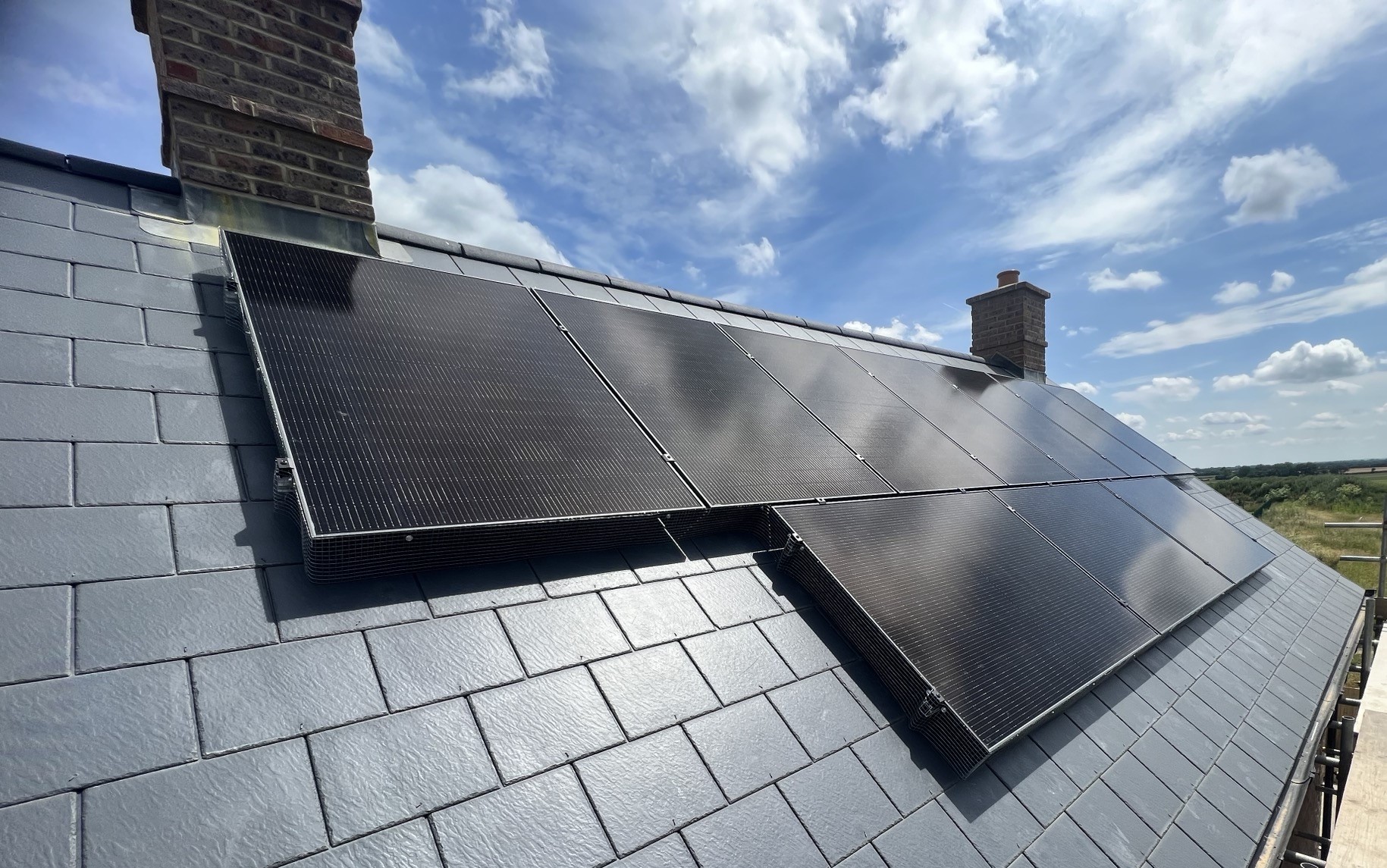
When homeowners across the South East consider investing in solar panels, one of the most common questions is whether cold weather affects performance. Many people assume solar panels need hot, sunny conditions to work efficiently, but in reality, lower temperatures can actually improve how well a system performs.
In this article, we explain how temperature impacts solar panel efficiency, what this means for solar panel installation in the UK and why solar installation remains a smart investment year round.
How Solar Panels Generate Electricity
Solar panels work by converting sunlight – not heat – into electricity. Photovoltaic (PV) cells generate power when photons from daylight excite electrons within the panel. While sunlight is essential, excessive heat is not.
This distinction is critical when evaluating performance in the UK climate, particularly in the South East, where cooler temperatures are common for much of the year.
Why Cold Weather Can Improve Solar Panel Efficiency
Solar panels operate more efficiently at lower temperatures. As panels heat up, electrical resistance within the cells increases, which slightly reduces output. Cooler conditions help limit this resistance, allowing panels to convert sunlight into electricity more effectively.
Solar panels are tested at 25°C under standard conditions. For every degree above this temperature, efficiency drops slightly, cooler air helps panels maintain optimal operating conditions. In practical terms, a clear, cold, sunny winter’s day can produce surprisingly strong results compared to a hot summer day with the same level of sunlight.
Do Solar Panels Work Well in Winter?
Yes – solar panels continue to generate electricity throughout winter. While shorter daylight hours and increased cloud cover reduce total energy production, panel efficiency itself often remains high due to lower temperatures.
In the South East, winter solar generation still contributes meaningfully to household energy use, particularly during daylight hours. When paired with battery storage, excess energy generated during the day can be stored for evening use, improving overall system performance.
What About Frost, Snow and Ice?
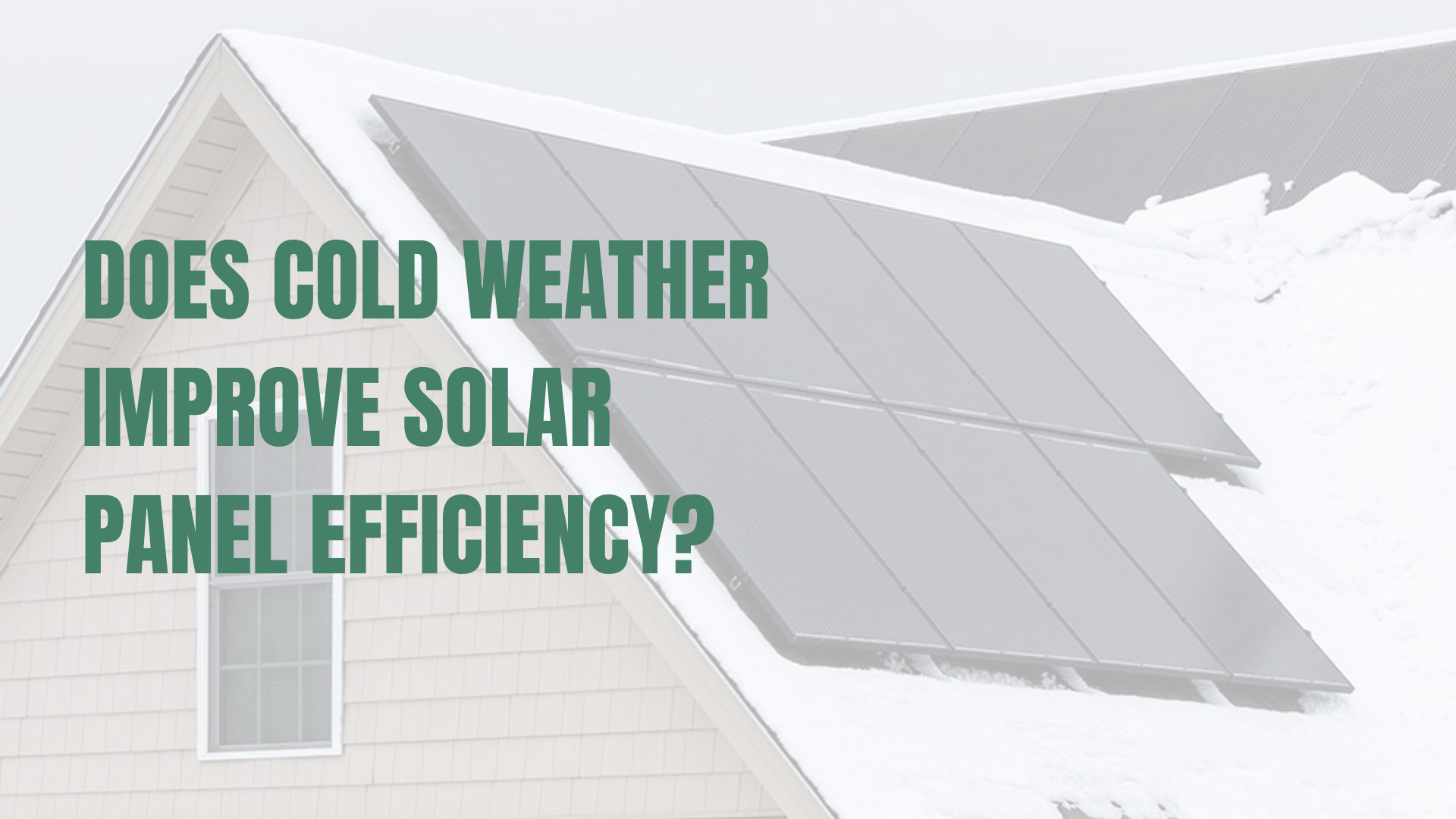
Cold weather does not harm solar panels. Modern systems installed as part of a professional solar panel installation are designed to withstand UK weather conditions, including those faced throughout the winter months. Frost has no impact on panel performance. Snow usually slides off due to panel tilt and smooth glass surfaces, panels absorb the heat from the daylight, resulting in snow clearing quickly. Routine inspections and professional installation ensure systems remain secure and effective throughout the year.
Is Winter a Good Time for Solar Installation?
Absolutely, a winter solar installation offers several advantages including shorter lead time due to lower seasonal demand, systems ready to maximise generation from spring onwards and immediate benefits from winter daylight and cooler operating conditions. Installing solar panels during colder months allows homeowners to start generating clean electricity without waiting for summer, the sooner you install solar panels, the sooner you start reaping the savings on your electricity bills.
Solar Panels in the South East: A Reliable Year Round Solution
The South East benefits from some of the highest solar irradiation levels in the UK. Combined with moderate temperatures, this makes the region particularly well suited to long term solar performance. A professionally designed solar panel installation ensures optimal panel orientation, tilt and system sizing, maximising efficiency regardless of season.
Final Thoughts: Cold Weather Is Not a Disadvantage
Cold weather does not reduce solar panel efficiency, in many cases, it improves it. What reduces solar output in winter is the reduced number of daylight hours. While total winter output is lower, the panels themselves often operate closer to their peak efficiency.
For homeowners considering solar panels in the South East, the message is clear: solar works reliably all year and there is no need to delay installation due to temperature concerns.
If you are exploring solar installation or want expert advice on system design and performance, SolarTherm UK can provide tailored guidance and professional, MCS accredited installation to suit your needs.
Contact SolarTherm UK today for a free, no obligation quote and design, tailored to your property, usage and future energy needs. No hard sell, just honest, expert advice.
Your home. Your energy. Your future.