For many homeowners across the South East, one key question remains:
“Is your energy bill actually normal – or higher than it should be?”
In 2026, the average UK energy bill sits at around £1,641 per year (roughly £136 per month) for a typical dual fuel household. But “average” can be misleading. Depending on your home, usage and energy setup, you could be paying significantly more – or less.
At SolarTherm UK, we regularly assess real household energy usage across Essex and the wider South East. What we consistently see is this: many homeowners are overpaying – often without realising it.
What Is the Average Energy Bill in the UK in 2026?
The current benchmark is based on the energy price cap set by Ofgem. The annual average is £1,641, which works out roughly £136 per month. However, this assumes a “typical” household – and most homes don’t behave typically.
Gas vs Electricity: Where your Money Goes
For most UK homes gas accounts for ~£984 per year with electricity accounting for around 40% at £657 per year.
Gas dominates because it powers heating and hot water – the biggest energy demands in British homes. This is also why global gas price fluctuations have such a direct impact on your bills.
Standing Charges: The Hidden Cost
Even before you use any energy, you’re paying fixed daily fees:
- Electricity: ~57.2p per day
- Gas: ~29.1p per day
- Total standing charges: ~ £315 per year
That’s nearly 20% of your bill before usage even begins. For lower usage households, this proportion is even higher – a key reason many people feel their bills remain high despite cutting consumption.
Average Energy Bills by Property Size
Your property size is one of the biggest cost drivers:
| Property Type | Annual Cost | Monthly |
| 1-bed flat | £1,000–£1,100 | £83–£92 |
| 2-bed home | £1,200–£1,400 | £100–£117 |
| 3-bed home | ~£1,641 | ~£136 |
| 4-bed home | £1,900–£2,200 | £158–£183 |
| 5+ bedrooms | £2,500+ | £208+ |
These are averages. Real costs depend on insulation, heating systems and how energy efficient your home is.
Quick Reality Check: Are You Overpaying?
Compare your bill to your property size:
- Above average? Likely causes include poor insulation, ageing heating systems or inefficient energy use
- Around average? Your home is reasonably efficient – but you’re still exposed to rising prices
- Below average? You’re doing well – but there may still be further savings available through solar
Why Energy Bills Are Still High in 2026
Back in 2019, the average bill was closer to £1,100. Since then, energy costs have surged due to global gas market volatility, increased post-pandemic demand and ongoing geopolitical supply pressures, like those currently being experienced with the blockades in the Strait of Hormuz. The UK relies heavily on gas for heating and electricity, so even though prices have somewhat stabilised, bills remain around 35% higher than pre-crisis levels – and future increases are on the cards.
How the Energy Price Cap Actually Works
The Ofgem price cap is often misunderstood. It limits the unit cost (per kWh) of gas and electricity and caps the standing charge. It doesn’t cap your total bill, if your usage is higher than average, your bill will be too.
The cap is reviewed every three months, meaning costs can rise or fall throughout the year. Current rates (April-June 2026) saw rates decrease by 7% to 24.67p per kWh for electricity and 5.74p per kWh for gas. It is predicted that due to the unrest in the Middle East and the blockade on gas supplies coming through the Strait of Hormuz, the price cap may rise by 20% July.
Why Your Energy Bill Might Be Higher Than Average
If your bill feels excessive, there are usually clear reasons:
Poor Insulation
Older homes – common across Essex and the wider South East – can lose heat rapidly. This forces your heating system to work harden, increasing costs.
Inefficient Heating Systems
Older boilers consumer more energy, while electric heating tends to be significantly more expensive than gas.
Property Size and Occupancy
More rooms and more occupants mean higher demand for heating, hot water and electricity.
EPC Rating
Homes rated D or below typically cost far more to run than energy efficient properties rated B or higher.
How to Reduce Your Energy Bills Long Term
Most homeowners focus on short term savings – but the biggest gains come from structural changes.
Check Your Tariff
Switching from a standard variable tariff to a fixed deal can offer modest savings (£100-£200 per year).
Improve Energy Efficiency
Upgrades such as loft insulation, cavity wall insulation and smart heating controls can reduce heating costs by 20-35%.
Use Available Grants
Upgrading your boiler with the Boiler Upgrade Scheme can save you up to £7,500 off installation costs and improve the efficiency of heating your home and hot water.
Install Solar Panels
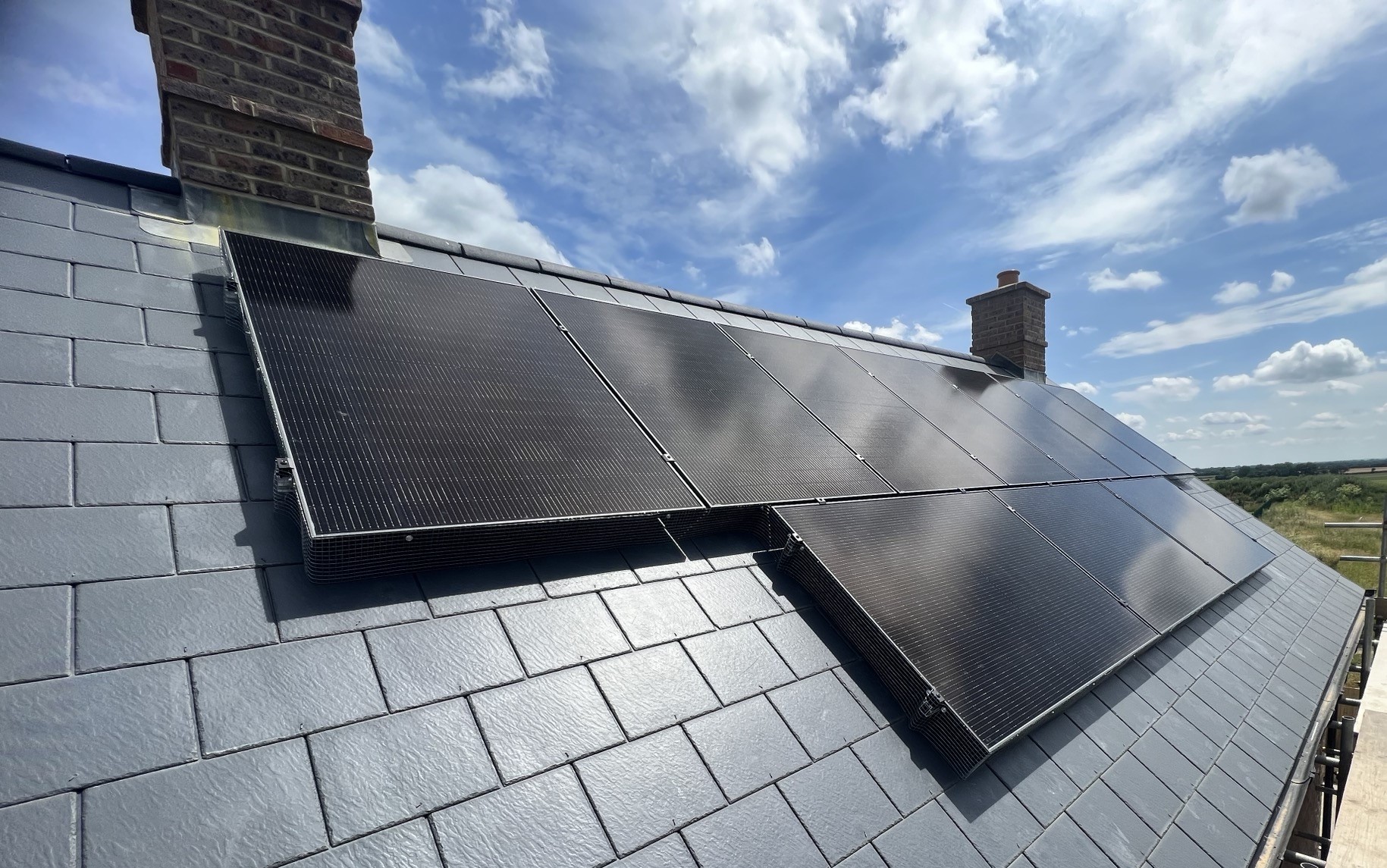
The most effective way to reduce your bills is to generate your own electricity. A typical residential solar system in the South East can save £600 to £1,200 per year, reducing reliance on expensive grid electricity and providing long term savings over 30 years or more.
Adding battery storage allows you to use solar energy into the evening – maximising savings. At SolarTherm UK, we design and install tailored solar systems based on your property, usage and long term goals – ensuring maximum return on investment.
Why Solar Is Different from Other Savings
Most energy saving measures reduce how much energy you use. Solar goes further – it reduces how much energy you need to buy at all. This distinction is critical:
- Tariff switching = short term savings
- Efficiency upgrades = reduced usage
- Solar = long term cost control and energy independence
Expert Insight from SolarTherm UK
SolarTherm UK has extensive experience installing residential solar systems across Essex, Kent and the wider South East for over 15 years. Our team works directly with homeowners to:
- Assess real energy usage (not just averages)
- Design systems for maximum generation and ROI
- Ensure compliance with UK standards and regulations
We prioritise transparency, performance data and long term savings – not just installation.
Final Thoughts
The “average” energy bill is just a benchmark – not a target. If your home is costing more than it should, the solution isn’t just to use less energy – it’s to use energy smarter.
For many homeowners across the South East, that means combining efficiency improvements with solar generation to take control of rising costs.
Contact SolarTherm UK today for a free, no obligation quote and design, tailored to your property, usage and future energy needs. No hard sell, just honest, expert advice – and the time you need to make an informed decision.
Your home. Your energy. Your future.
FAQs
What is the average energy bill in the UK in 2026?
The average annual bill is £1,641, based on Ofgem’s price cap for a typical household. Actual costs vary depending on property size, insulation, and usage.
Why is my energy bill higher than average?
Common causes include poor insulation, an older heating system, higher occupancy, or a larger property.
Does the energy price cap limit my total bill?
No — it only limits the unit cost of energy. Your total bill depends on how much energy you use.
What’s the quickest way to reduce my energy bill?
Switching tariffs and improving insulation offer quick wins, but the biggest long-term savings come from installing solar panels.
How much can solar panels save in the South East?
Most homeowners save between £600 and £1,200 per year, depending on system size and usage.