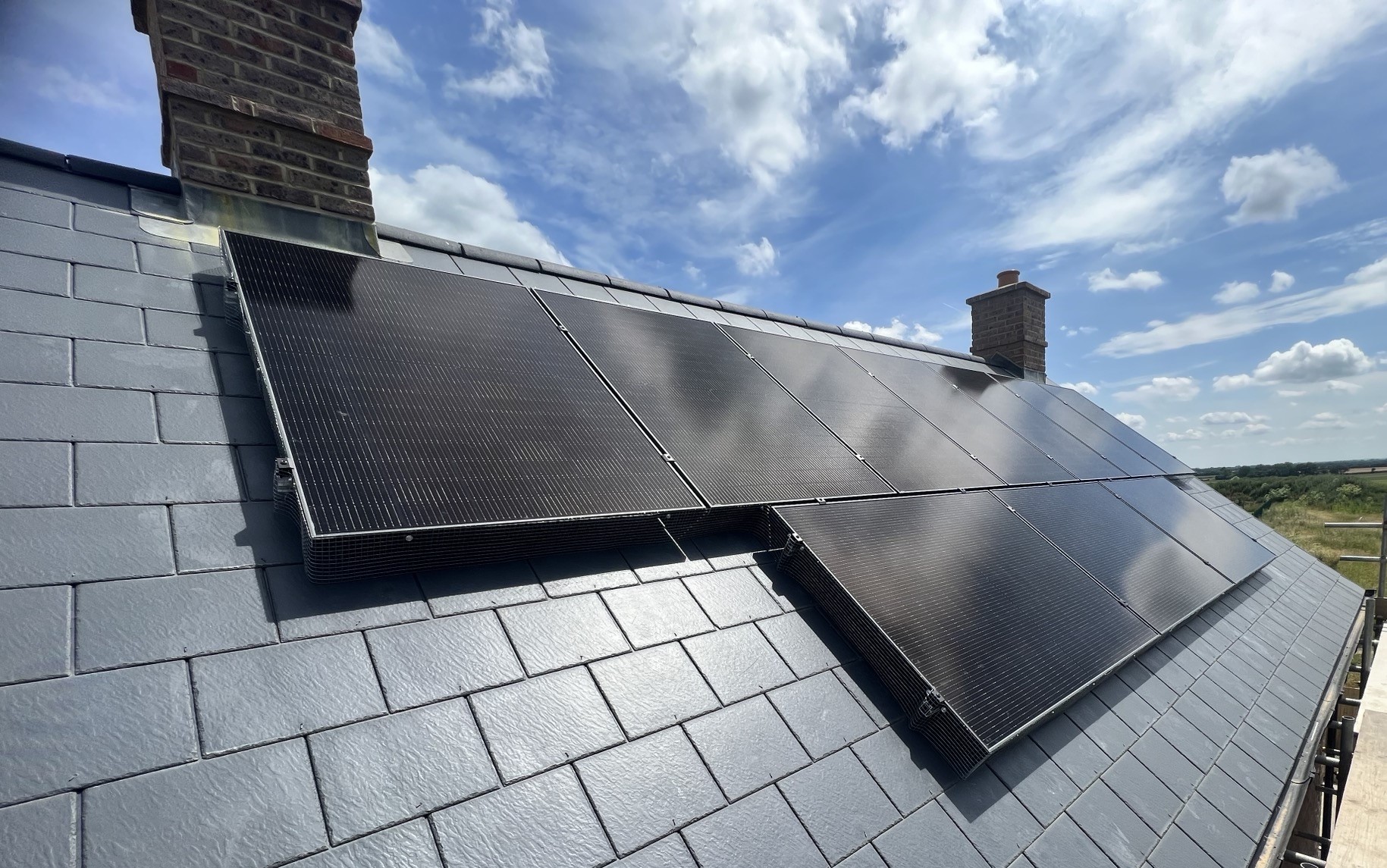
Installing solar panels is one of the most effective ways to reduce household energy costs and gain greater control over your electricity usage. However, many homeowners only discover certain aspects of solar energy after their system has been installed.
At SolarTherm UK, we’ve helped homeowners across Essex, Kent, Suffolk and Hertfordshire make informed decisions about solar panel systems, battery storage and renewable energy solutions. Understanding how solar works in real world conditions can help you maximise your investment and achieve the best possible return.
1. Roof Shading Can Have a Bigger Impact Than You Think
Many homeowners focus on roof direction and available space when considering solar panels but shading is equally important. Nearby trees, chimneys, neighbouring properties and roof structures can reduce solar panel performance during parts of the day. Even small amounts of shade can affect energy generation if the system is not designed correctly.
This is why at SolarTherm UK, shade analysis is included as part of your professional site survey. We assess roof orientation, shading levels and seasonal sunlight patterns before confirming the recommended system is suitable for your property. In some situations, we may suggest technology like SolarEdge power optimisers to help reduce the impact of shading and improve overall performance.
2. Battery Storage Can Transform Your Solar Savings
One of the most common surprises for new solar owners is how much electricity is generated while they’re away from home. Solar panels typically generate the most energy from 11am-3pm, when many homeowners are at work, school or out and about. Without a battery, surplus electricity is often exported back to the grid.
Adding a solar battery allows homeowners to store unused energy and use it later in the evening when electricity demand is highest. This can significantly increase self-consumption and reduce reliance on grid electricity.
For homeowners planning future upgrades such as electric vehicle charging or heat pumps, installing battery ready equipment can make expansion easier and more cost effective.
3. Your Electricity Tariff Matters More Than Most People Realise
The performance of a solar system isn’t determined solely by the panels on your roof. The tariff you choose can influence both your savings and the value of exported electricity. Many UK energy suppliers now offer Smart Export Guarantee (SEG) tariffs that pay homeowners for excess renewable energy sent back to the grid.
Choosing a competitive import and export tariff can improve the long term financial return of your solar investment and help maximise the value of every kilowatt hour (kWh) generated.
4. Solar Panels Don’t Eliminate Your Need for Grid Electricity
Solar panels can dramatically reduce electricity bills, but most homes will still draw power from the grid at certain times. During winter months, when daylight hours are shorter and solar generation is lower, many households may require additional electricity. This is completely normal and should be factored into your expectations.
The most successful solar installations combine efficient panels, smart energy management and where appropriate, battery storage to balance household demand throughout the year. With battery storage, especially in winter months, time of use tariffs can help you avoid peak rate electricity. Charging your battery on off peak rate grid electricity and discharging it during peak rate periods will maximise your savings.
5. Your Energy Habits Will Naturally Change
Many homeowners become more aware of their electricity usage once they install solar panels. Monitoring apps allow you to see exactly when your system is producing power, encouraging you to run appliances such as washing machines, tumble dryers and dishwashers during peak generation periods.
Small behavioural changes can increase the amount of solar electricity used within your home, helping you achieve greater savings without altering your lifestyle significantly.
6. Solar Panels Require Minimal Maintenance
One of the biggest advantages of solar PV systems is their reliability. Modern solar panels are designed to operate for decades with very little maintenance. However, like any home improvement investment, occasional checks are recommended.
Monitoring software can identify performance issues, while inverters may require replacement during the lifetime of the system. Routine inspections help ensure your solar installation continues performing efficiently year after year. At SolarTherm UK, we provide ongoing support and expert advice to homeowners long after installation is complete.
7. Choosing an Experienced Installed Is Just as Important as Choosing the Equipment
Not all solar installations are created equal. The quality of the design, equipment specification and installation workmanship can significantly affect long term performance. An experienced installer will assess your property’s energy usage, roof characteristics and future energy requirements before recommending a solution.
SolarTherm UK specialises in residential solar installations throughout Essex, Suffolk, Kent, Hertfordshire and the wider South East and East Anglia. Our team works closely with homeowners to design systems that deliver maximum energy generation, long term reliability and excellent value for money.
Is Solar Worth Installing in the South East and East Anglia?
For many homeowners across Essex, Kent, Suffolk and Hertfordshire, solar panels offer an excellent opportunity to reduce electricity bills, improve energy independence and lower household carbon emissions.
While every property is different, the best results are achieved when factors such as shading, battery storage, energy usage patterns and tariff selection are considered from the outset.
With professional design, quality components and expert installation, solar energy can provide reliable savings for decades while increasing the sustainability of your home.
Why Choose SolarTherm UK?
SolarTherm UK is a trusted solar installation specialist serving homeowners across Essex, Kent, Suffolk and Hertfordshire. Our experienced team provides:
- Bespoke residential solar panel design
- High performance solar battery storage solutions
- MCS compliant installations
- Professional site surveys and energy assessments
- Ongoing technical support and aftercare
- Honest, expert advice tailored to your property
We believe every homeowner deserves a solar system designed around their individual energy needs rather than a one size fits all solution.
Contact SolarTherm UK today for a free, no obligation quote and design, tailored to your property, usage and future energy needs. No hard sell, just honest, expert advice – and the time you need to make an informed decision.
Your home. Your energy. Your future.
Frequently Asked Questions
How much can solar panels save on electricity bills?
Savings vary depending on system size, energy usage and electricity tariffs. Many UK homeowners can significantly reduce their reliance on grid electricity and lower annual energy costs.
Are solar panels effective in the UK climate?
Yes. Modern solar panels generate electricity throughout the year and perform efficiently even on cloudy days. South East England and East Anglia receive some of the highest solar irradiation levels in the UK.
Should I install a battery with my solar panels?
A battery can help you store excess daytime generation for use during the evening, increasing self-consumption and reducing electricity purchases from the grid.
How long do solar panels last?
Most quality solar panels come with performance warranties of 25 years or more and can continue generating electricity well beyond that period.
Do I need planning permission for solar panels?
In most cases, residential solar panel installations fall under permitted development rights. However, some restrictions may apply to listed buildings or properties within conservation areas.
Which areas does SolarTherm UK cover?
SolarTherm UK provides residential solar panel installations throughout Essex, Kent, Suffolk and Hertfordshire, helping homeowners transition to cleaner, more affordable energy.