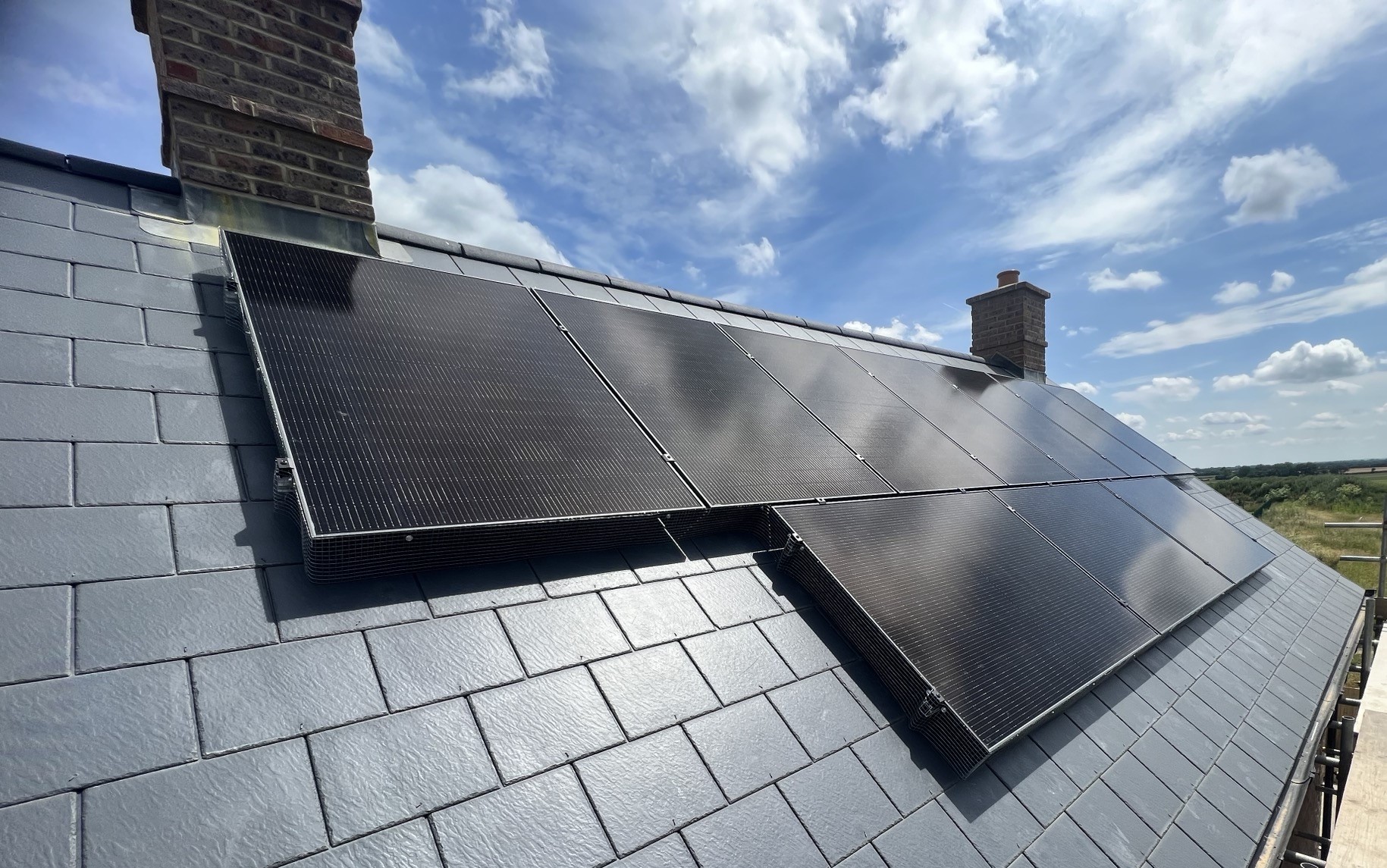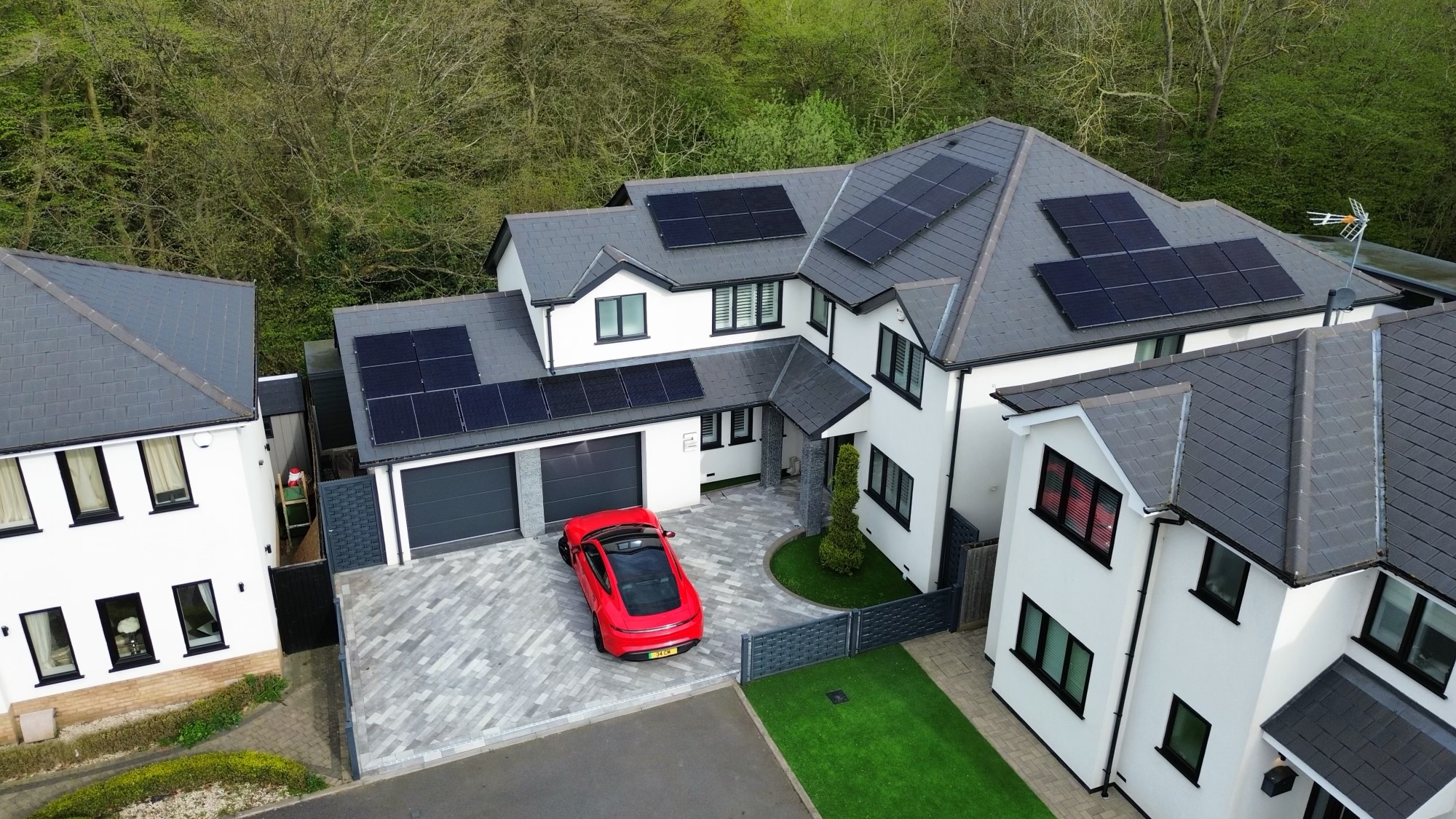
Solar energy is energy generated from sunlight. It is a renewable energy source, meaning it is naturally replenished and will not run out. Solar energy can be converted into electricity or heat using technologies such as solar panels (solar PV) and solar thermal systems.
In the UK, solar energy is most commonly harnessed using solar photovoltaic (PV) panels, which convert daylight into usable electricity for homes and businesses.
How Does Solar Energy Work?
Solar panels contain photovoltaic (PV) cells made from semiconductor materials, typically silicon. When sunlight hits these cells:
- Photons from daylight strike the PV cells
- Electrons are released, creating direct current (DC) electricity
- A solar inverter converts DC into alternating current (AC) electricity
- The electricity powers your home
- Surplus energy can be stored in battery storage or exported to the grid
Even on cloudy days in the South East, solar panels still generate electricity because they rely on daylight, not direct sunshine.
Is Solar Energy Renewable?
Yes. Solar energy is considered renewable, the sun is generating energy continuously and does not deplete the natural resource. During production, solar produces no direct carbon emissions during operation and reduces reliance on fossil fuels. Unlike coal, oil, and gas, solar energy does not run out or create harmful air pollution during electricity generation.
What is Solar PV?
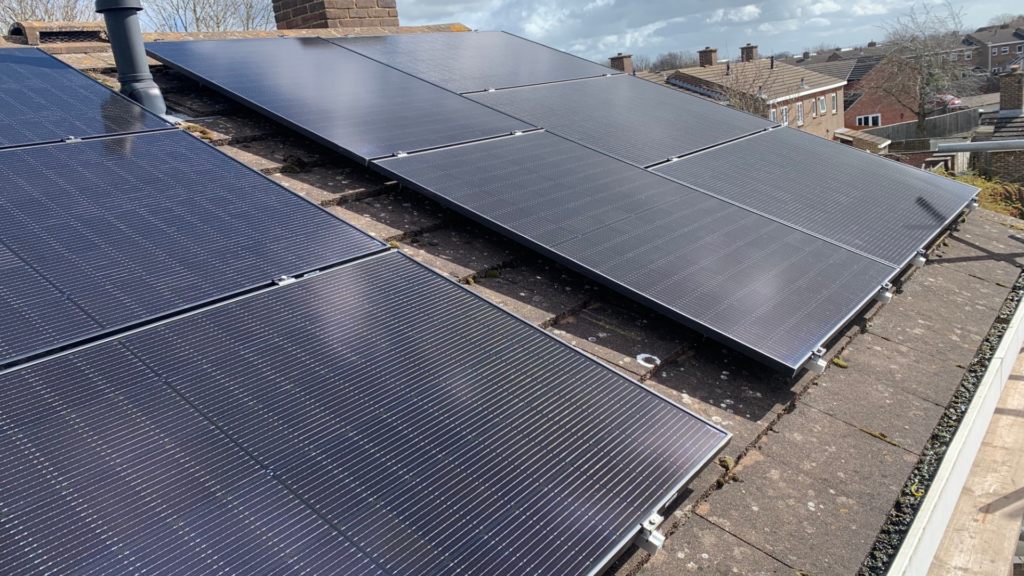
Solar PV is the technology used to convert sunlight directly into electricity. A typical solar PV system includes solar panels (mounted on a roof or the ground), an inverter, mounting equipment and a generation meter. Additionally, solar battery storage can be installed to collect surplus generated energy for use in the evenings and during periods of low generation. Solar PV is the most common system installed in UK homes.
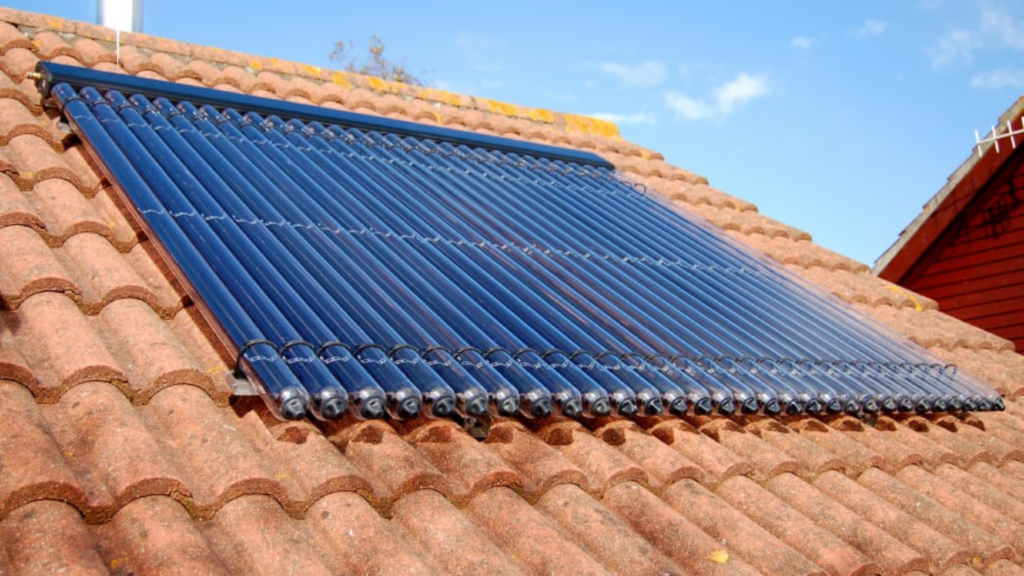
What is Solar Thermal Energy?
Solar thermal systems use sunlight to heat water rather than generate electricity. These systems are commonly used to provide domestic hot water. At SolarTherm UK we focus primarily on solar PV and battery storage systems for maximum household savings and flexibility. If you want to generate hot water from your solar system, you can install a solar diverter which is used to heat water in a hot water cylinder.
What Are the Benefits of Solar Energy?
Solar energy offers several key advantages for UK homeowners:
Lower Electricity Bills
Generating your own electricity reduces how much you buy from your supplier, saving most solar owners up to 80% on their energy bills.
Protection from Energy Price Rises
Solar acts as a hedge against increasing energy costs.
Reduced Carbon Footprint
Solar electricity significantly lowers household carbon emissions.
Energy Independence
Adding battery storage allows you to store excess power for evening use.
Increased Property Value
Energy efficient homes are increasingly becoming attractive to buyers.
Does Solar Energy Work in the UK Climate?
Yes. The UK receives sufficient daylight throughout the year to make solar viable. The South East has one of the highest solar irradiation levels in the UK, making it particularly well suited for solar PV. Solar panels perform best in cool temperatures, making the UK climate suitable for efficient generation.
How Long Do Solar Panels Last?
Most modern solar panels last a minimum of 30 years, with many going on to generate electricity efficiently for 40 years or more. At SolarTherm UK, the panels we install – AIKO N-Type Neostar – come with a 30 year linear performance warranty. Solar panels require minimal maintenance, generally a regular visual check for damage or debris and a periodic professional clean is enough to keep your panels working effectively.
Solar inverters typically last 10-15 years and battery storage systems last 10-20 years depending on usage and manufacturer.
Is Solar Energy Environmentally Friendly?
Solar energy is one of the cleanest forms of electricity generation available. While there is a carbon footprint involved in manufacturing panels, this is typically offset within1-3 years of operation. After that, the system generates clean, renewable energy for decades.
Final Thoughts: What Is Solar Energy?
Solar energy is renewable electricity or heat generated from sunlight. In the UK, it is most commonly harnessed through solar PV systems that power homes, reduce energy bills and lower carbon emissions.
For homeowners in the South East looking to future proof their property, reduce energy bills and improve sustainability, solar energy remains one of the most practical renewable solutions available.
If you want to find out how much you can save with a solar PV system and battery storage try our Solar Calculator.
Smart solar starts with the right advice.
FAQs
What is solar energy in simple terms?
Solar energy is electricity or heat made from sunlight using solar panels.
Is solar energy free?
Sunlight is free. However, there is an upfront installation cost for the solar PV system.
How is solar energy converted into electricity?
Solar panels contain photovoltaic cells that convert sunlight into DC electricity, which is then converted into usable AC electricity by an inverter.
Can solar panels power a whole house?
Yes. A properly sized solar PV system, especially when combined with battery storage, can cover most or all of a household’s electricity needs.
Do solar panels work in winter?
Yes. They generate less electricity in winter due to shorter daylight hours, but they still produce power during daylight.