If your solar PV system isn’t generating as expected, showing inverter errors or your battery isn’t charging correctly, this guide explains the typical issues, causes and what you can do next.
Whether you have a residential rooftop system or a commercial solar installation, understanding early warning signs can protect your investment and maximise long term performance.
Why Is My Solar System Not Generating Enough Power?
One of the most searched questions is:
“Why are my solar panels not producing much electricity?”
Common Causes:
- Seasonal variation (lower winter output)
- Shading from nearby trees, chimneys or buildings
- Dirt, moss or bird droppings
- Inverter faults
- System shutdown after grid disturbance
- Panel degradation over time
What to Check:
Check your inverter display to see if it is showing any fault codes, the user manual you received in your handover pack will explain what any fault code means and how to resolve it yourself if possible or whether you need an experienced specialist to repair the issue.
Your monitoring app is the best tool for checking for any issues with your solar PV system. Compare your current generation to previous weeks or years, if there is a consistent drop in generation over a couple of days with no other factors (like low daylight levels or shading), then this may indicate there is an issue affecting generation.
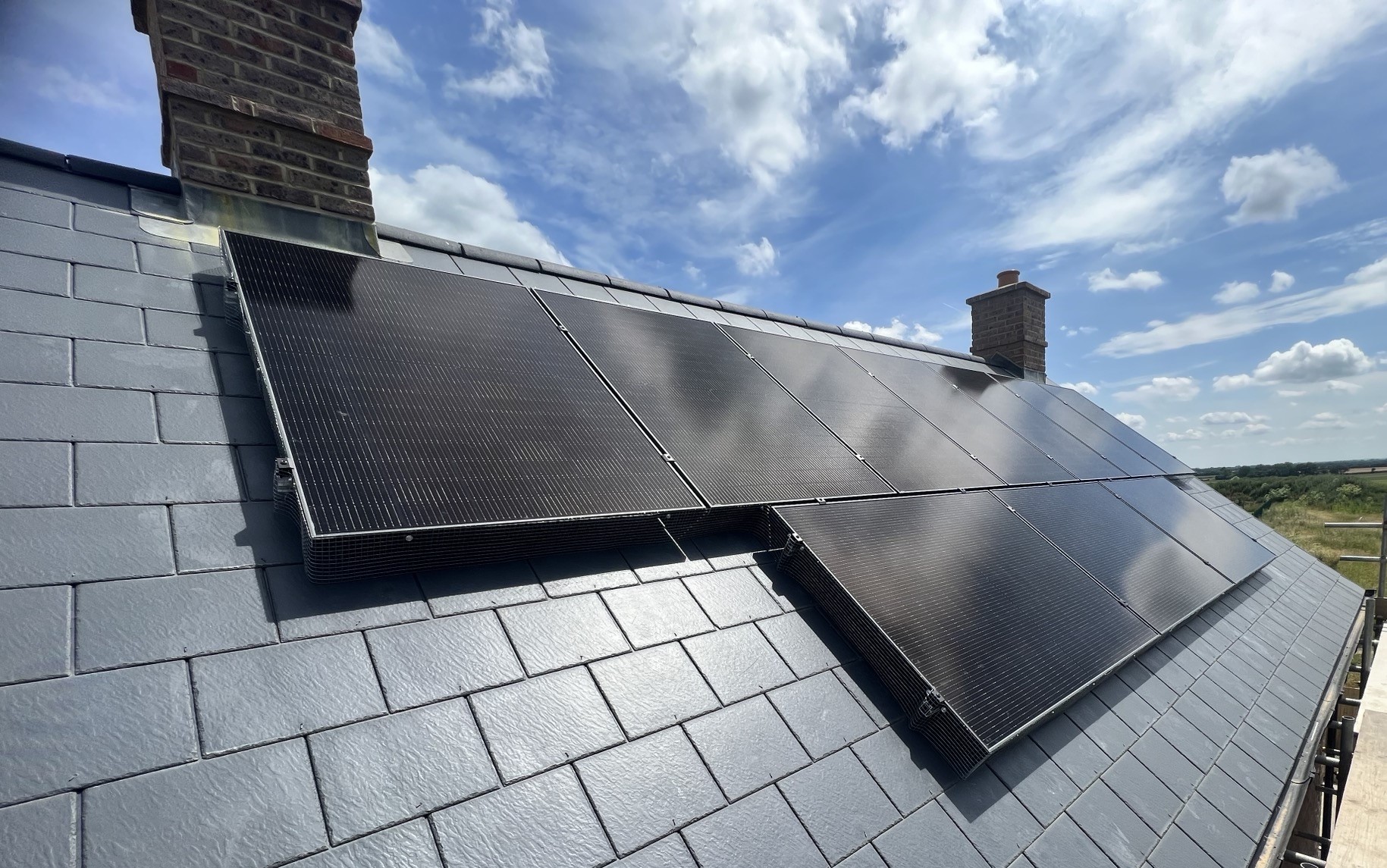
Carry out a visual check of your panels, is there any new shading affecting them? Do they look dirty or have a layer of bird droppings on them? If trees or vegetation is now affecting your panels, look into having them cut back, it a nearby building has been extended or changed and is now causing shading, contact your installer to investigate whether installing power optimisers will overcome the issue.
Another fault to look for is tripped switches on your consumer unit or your isolators being switched off. Ensure all switches are turned on.
If generation has dropped significantly, professional inspection is recommended.
Solar Inverter Problems
The inverter is the most critical working component of your solar PV system. It converts DC electricity into usable AC power to be used in your home.
Signs of Inverter Issues:
- Red or flashing warning light
- Error codes on screen
- System showing “No Grid” or “Isolation Fault”
- No data in monitoring app
Typical Inverter Issues:
| Problem | Possible Cause | Solution |
| Inverter not turning on | Tripped breaker | Reset if safe |
| Grid fault warning | Local grid fluctuation | Wait and monitor |
| Isolation fault | DC cable issue | Professional inspection |
| No WiFi connection | Router change or signal drop | Reconnect system |
Important: Never open the inverter casing yourself. Solar systems carry high DC voltage even when switched off.
Solar Battery Not Charging Properly
Battery storage systems are increasingly popular across the South East. A common query is:
“Why is my solar battery not charging?”
Possible Reasons:
- Low solar generation
- Incorrect battery settings
- Grid charging disabled
- Firmware update required
- Battery nearing end of life
What to Check:
Check your battery to see what mode it is set to and check the configuration is correct for your tariff. Your battery should be set to charge during off peak tariff windows, optimising it to charge when it will cost you the least. Check your battery app for fault notifications.
Battery systems are software drive, so configuration issues are common and can usually be fixed remotely and quickly, limiting your down time.
Do Solar Panels Stop Working Over Time?
Solar panels degrade gradually. Typical degradation rates are around 0.3-0.8% each year. After 25 years, most modern solar panels are still operating at 80-85% of their original capacity.
Sudden performance drops are rarely due to panel failure. They are more commonly caused by inverter malfunction, loose wiring connections, monitoring errors or external shading changes.
A visual check of your panels will let you know if there is any damage or dirt that is affecting solar generation.
Solar Monitoring Issues
Another frequent issue is:
“My solar monitoring app has stopped working.”
This usually relates to a change in your broadband router, WiFi password being upfated or your inverter has disconnected from the network. If your system is generating but the app is showing zero, it’s often a communication issue rather than a performance problem.
RCD Tripping or System Shutting Down
If your solar system repeatedly trips the RCD, possible causes include:
- Moisture ingress
- Earth faults
- DC isolation faults
- Damaged cabling
All these require a MCS certified engineer to repair. Do not attempt DIY electrical repairs.
When Should You Call a Solar Installer?
You should seek a professional inspection if:
- Generation drops significantly with no seasonal explanation
- Inverter displays persistent fault codes
- Burning smells or unusual noises occur
- System repeatedly shuts down
- You suspect wiring damage
Preventative maintenance extends system lifespan and protects warranty compliance.
Preventing Solar System Problems
To reduce faults and maintain peak efficiency, SolarTherm UK recommends regular visual inspections of your solar PV system, checking panels for stubborn dirt and debris, new shading issues and any visible loose wiring. Check your inverter and connectors for visible signs of damage and report any loose wiring to your installer. Monitor your system generation regularly, drops in output can show issues quicker than waiting for an energy bill to rise.
Always use an MCS accredited installer to carry out any repair work and for a full system test periodically. This prevents your warranties from becoming void and keeps your system running for longer.
Solar Troubleshooting Support
If you’re experiencing issues with your solar panels or battery storage system in Essex, Kent or the wider South East, SolarTherm UK provides system diagnostics, performance checks and repair support.
Proactive maintenance protects your investment, improves ROI and ensures maximum energy independence.
If you’re considering upgrading to solar or adding battery storage, the next step is understanding what it could mean for your home and your energy bills. Use our Solar Calculator to see how much you could save with a tailored solar PV and battery system. And if you’re experiencing an issue with your existing installation, our Customer Support Helpdesk is here to help with diagnostics, advice and technical assistance. Whether you’re exploring your options or need expert support, SolarTherm UK is ready to provide clear answers and practical solutions.
Smart solar starts with the right advice.
FAQs
Do solar panels fail often?
No. Solar panels are highly durable with minimal moving parts. Inverters are statistically the most likely component to require replacement within 10–15 years.
How long should a solar inverter last?
Typically 10–15 years depending on brand and usage.
Can I fix solar panel problems myself?
You can check monitoring and obvious issues, but electrical repairs must be carried out by qualified professionals.