And What Homeowners Can Do About It
If your electricity bills have felt particularly painful this winter, you are not imagining it. Across the UK, household energy costs remain stubbornly high, and for many homes in the South East, electricity has become one of the largest monthly outgoings.
While energy prices spiked dramatically during the gas crisis of recent year, the reality is that electricity costs were already rising long before that – and many of the pressures pushing prices up are still very much in place.
Below, we break down five key reasons why electricity prices remain high in the UK and why more homeowners are turning to solar panels and battery storage to protect themselves from future increases.
Inflation and Rising Infrastructure Costs
Like almost everything else, electricity has been heavily affected by rising inflation rates. Higher prices for raw materials, labour, transport and finance all feed directly into the cost of generating and delivering electricity. Even when wholesale prices stabilise, the cost of maintaining and upgrading the National Grid continues to rise.
In the UK, these higher operating and infrastructure costs are ultimately passed onto households through higher standing charges and unit rates. This is one reason why electricity prices often remain high even when wholesale markets cool.
An Ageing Electricity Grid
Much of the UK’s electricity grid was designed decades ago, for a very different energy system and a much lower demand.
Today, the grid must cope with:
- Growing electricity demand
- Electric vehicles and heat pumps
- Large volumes of renewable generation
- Increased strain during extreme weather
Upgrading substations, cables, transformers and overhead lines is essential for reliability and safety, but it is expensive. These long term investments are funded through consumer bills, which means households pay more even before using a single unit of electricity.
Materials, Supply Chains and Trade Pressures
Modernising the grid and building new energy infrastructure requires huge amounts of steel, aluminium, copper and specialist electrical equipment. Global supply chain disruptions, higher manufacturing costs and trade tariffs on key materials have all contributed to rising construction and equipment prices. Whether it is pylons, substations or power plants, higher build costs inevitably filter through to electricity prices over time.
Climate Change and Extreme Weather
Climate change is no longer a future concern – it is already impacting energy costs. In the UK, more frequent storms, flooding and heatwaves are increasing the number of emergency repairs and grid maintenance costs. Investment in the grid has increased to improve resilience and reinforcement in extreme weather conditions. At the same time, hotter summers and colder winters increase electricity demand for cooling, heating and ventilation. When demand rises faster than supply, price increases follow.
Growing Electricity Demand (EVs, Heat Pumps and Data Centres)
Electricity demand in the UK is rising again after years of relative stability. Electric vehicle and heat pump adoption across the UK has rocketed as the we move toward Net Zero and a cleaner, sustainable future.
Data centres supporting AI, cloud computing and digital services are also increasing in popularity with more being built increasing demand on an already stretched grid.
Large new electricity users require significant grid upgrades, and while these investments are essential, they add further upward pressure to prices. Importantly, today’s electricity bills often reflect decisions and investments made several years ago.
What This Means for UK Homeowners
The uncomfortable truth is that electricity prices are unlikely to fall meaningfully in the long term. While short term fluctuations may occur, the structural pressures pushing prices higher are here to stay.
That is why more homeowners across Essex, Kent, Hertfordshire and the wider South East are choosing to take back control of their energy costs.
How Solar Panels and Battery Storage Help
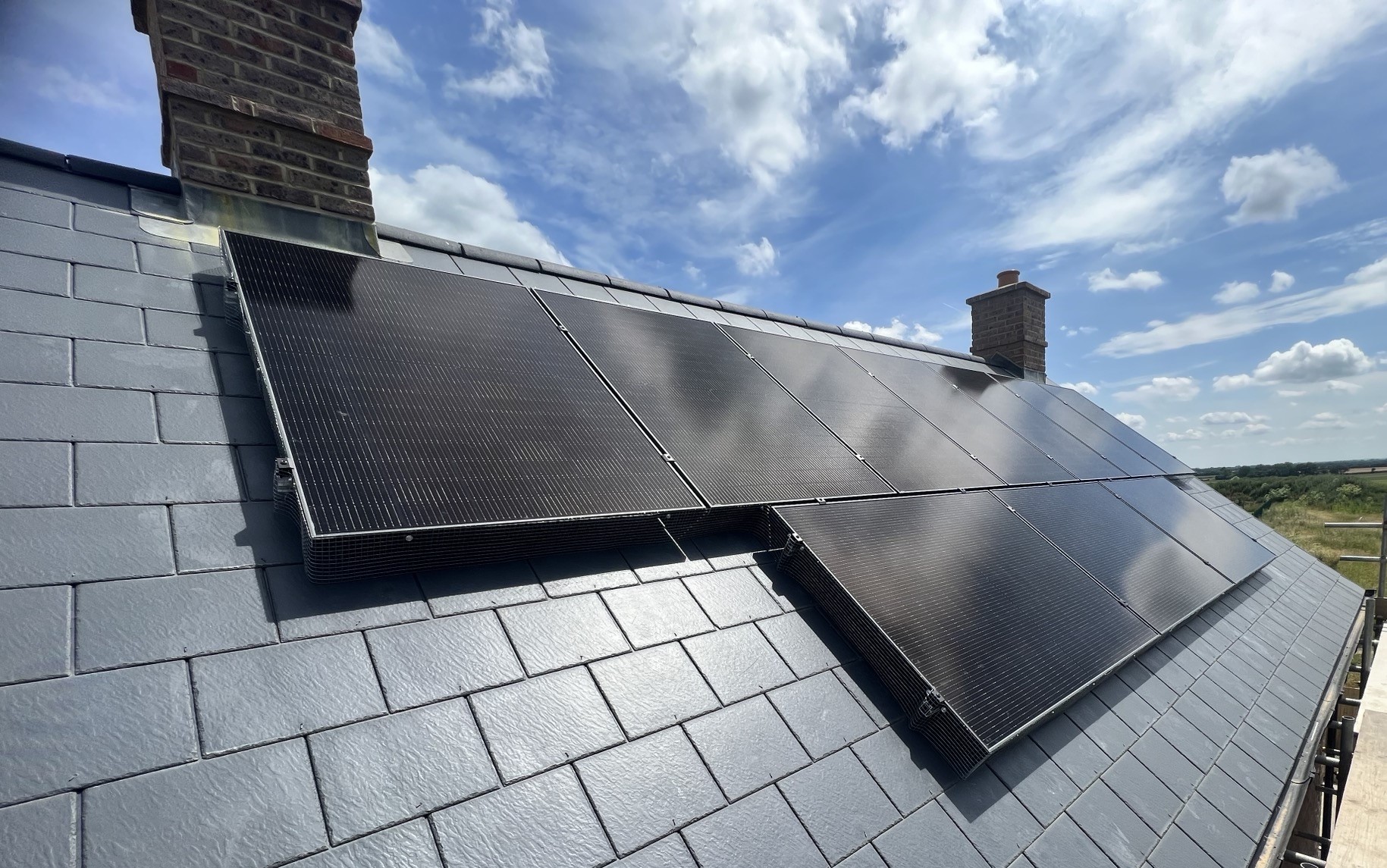
Installing a solar PV system allows you to generate your own electricity from your rooftop, reducing the need to purchase increasingly expensive grid electricity. Adding battery storage takes this a step further, allowing you to store surplus solar power and use it later, particularly during peak evening periods.
Key benefits include:
- Reduced reliance on grid electricity
- Lower exposure to future price rises
- Improved energy security
- Better use of off peak and smart tariffs
- Long term savings and predictable energy costs
Rather than reacting to price increases, solar and battery systems allow households to lock in control over a significant portion of their electricity needs for decades.
Take Back Control Of Your Energy Costs
At SolarTherm UK, we design and install solar panel and battery storage systems tailored to South East homes, helping homeowners reduce their electricity bills and protect themselves from ongoing price volatility.
If rising electricity costs are impacting your household, now is the time to act and see how much of your energy you could generate yourself.
Contact SolarTherm UK today for a free, no obligation quote and design, tailored to your property, usage and future energy needs. No hard sell, just honest, expert advice.
Your home. Your energy. Your future.