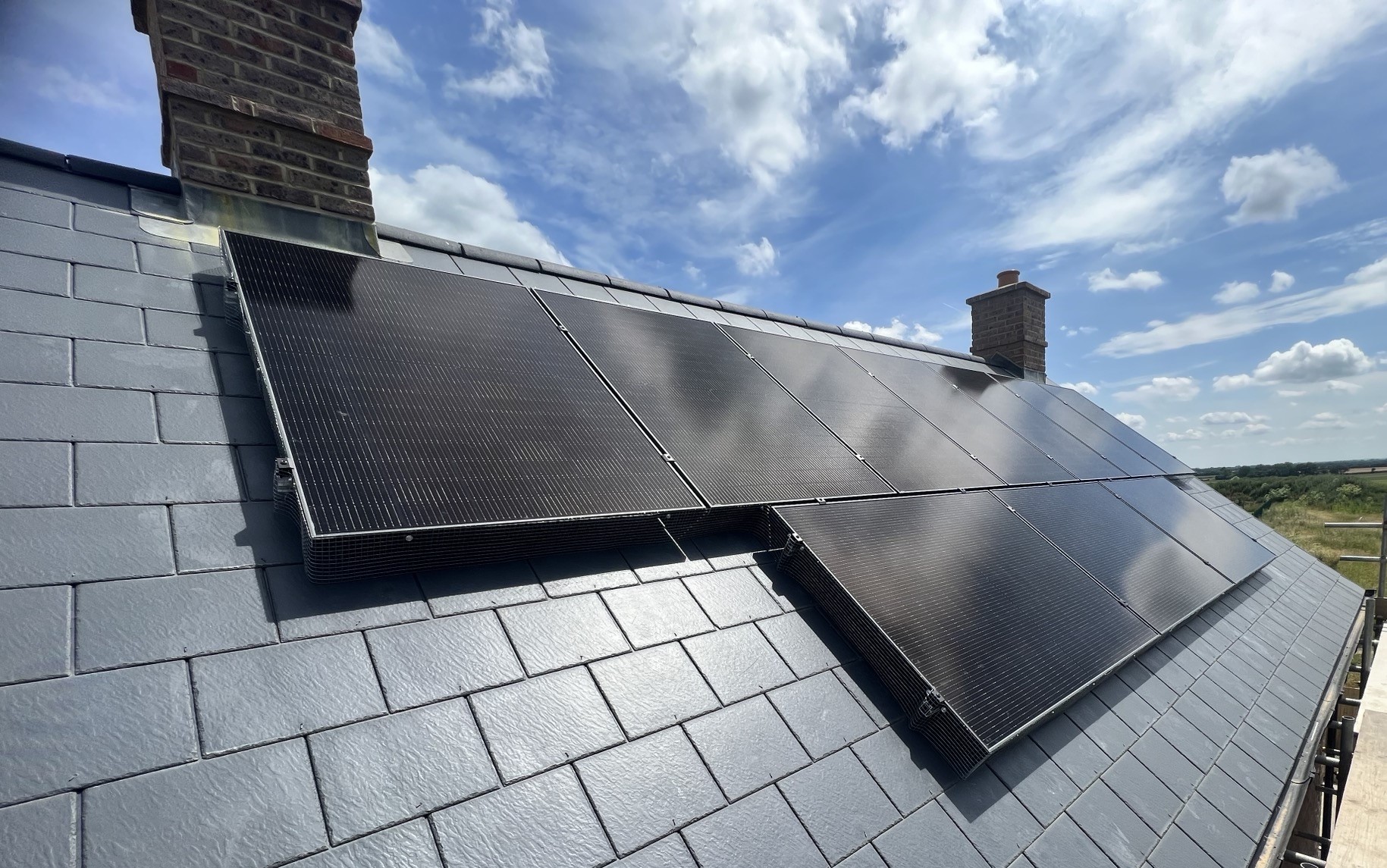
As energy demand in the UK continues to rise, particularly during early mornings and evenings, the National Grid is under increasing pressure. For homeowners in the South East, this strain often translates into higher energy costs, greater reliance on imported electricity and increased risk of network constraints. A well designed solar PV system, especially when paired with battery storage, plays a critical role in reducing grid strain during peak demand – while also delivering meaningful savings.
Understanding Peak Demand and Grid Strain
Peak demand refers to periods when electricity usage is at its highest, typically between 7-9am and 4-8pm. During these windows, households are drawing power simultaneously for cooking, heating, lighting and charging devices. To meet this demand, the grid needs to rely on expensive and often carbon intensive generation, as well as electricity imports from abroad.
In regions like the South East – where population density and electricity usage are high – this can lead to congestion on the network, higher wholesale prices and ultimately higher bills for consumers.
How Solar Panels Reduce Demand on the Grid
Solar panels generate electricity at point of use, reducing the amount of power that needs to be transmitted across the grid, particularly during daylight hours when demand is already elevated.
When thousands of homes generate their own electricity simultaneously, the cumulative effect is significant:
- Reduced reliance on grid imports
- Lower transmission losses
- Less need for costly peaking power stations
- Improved grid stability at a local level
Even without battery storage, a solar PV system can offset a substantial portion of daytime electricity use, especially when smart plugs and timers are used. This in turn eases pressure on the grid during working hours.
The Role of Battery Storage During Peak Times
While solar panels generate most of their electricity during the day, peak demand often occurs later in the evening. This is where battery storage comes in; a solar battery allows homeowners to store surplus solar generation instead of exporting it back to the grid. That stored energy can then be used during peak demand periods, reducing the need to import expensive grid electricity.
From a grid perspective, widespread battery adoption smooths demand curves and reduces sudden spikes that can destabilise local networks.
Exporting Solar Energy at the Right Time
When your battery is full and your home’s demand it met, surplus solar generation can be exported back to the grid. During periods of high demand, this exported electricity is particularly valuable.
Through the Smart Export Guarantee (SEG), homeowners are paid for electricity exported to the grid. While export rates vary, strategic exporting, especially when paired with smart controls, helps balance supply and demand across the network. Octopus Flux incorporates a peak demand export rate, encouraging solar and battery owners to export surplus solar energy during peak demand windows in the evenings, this is matched with cheaper off peak import rates, helping you to save money and help the grid demand.
Solar, Off Peak Use and Smart Tariffs
Many households in the South East are now combining solar and battery systems with off peak electricity tariffs. This further enhances grid support and savings. For example:
- Batteries can be charged overnight using cheaper off peak electricity when demand is low
- That stored energy can be used during peak times, reducing grid import
- Solar generation during the day can top up the battery or be exported
This approach not only lowers household bills but also shifts demand away from peak periods, exactly what the grid needs.
Financial Savings for Homeowners
Reducing grid strain is not just a system wide benefit; it directly impacts household finances. With a solar PV system and battery storage, homeowners can:
- Cut reliance on peak rate electricity
- Maximise use of free electricity generated on site
- Reduce exposure to volatile energy prices
- Earn income through export payments
- Improve long term energy security
In the South East, where electricity prices and usage tend to be higher than the UK average, these savings can be particularly compelling.
Why Solar Matters More Than Ever in the South East
The South East faces unique challenges: high demand, limited grid capacity in some areas and growing electrification from the transition to heat pumps and electric vehicles. Distributed generation from solar panels helps address these issues without need for expensive grid upgrades.
Every installed solar PV system contributes to lower peak demand, reduced need for imported electricity and a more flexible and resilient energy system. When combined with battery storage, the impact is multiplied.
Final Thoughts
Solar is no longer just about generating clean energy – it is about using energy intelligently. By reducing grid strain during peak demand, solar panels and battery storage systems help stabilise the electricity network while delivering measurable savings for homeowners.
For households in the South East, investing in a solar PV system is a practical step toward lower bills, greater energy independence and a resilient future.
If you are considering solar panels or battery storage, SolarTherm UK can design a system that maximises savings while supporting the wider grid. Contact SolarTherm UK today for a free, no obligation quote and design, tailored to your property, usage and future energy needs. No hard sell, just honest, expert advice.
Your home. Your energy. Your future.