A Homeowner Friendly Update from SolarTherm UK
Energy prices are back under pressure this year and if you’ve noticed the headlines you’re not imagining things. Wholesale gas markets have tightened again, and the knock-on effect is being felt across UK electricity prices.
For homeowners, the key question is simple:
“Why does this keep happening, and what can you do about it?”
Let’s break it down clearly.
Why Energy Prices Are Rising Again
As of April 2026, the main driver behind rising energy costs is renewed instability in global gas markets. Recent tensions in key energy transit routes – particularly around the Strait of Hormuz – have disrupted confidence in global oil and liquefied natural gas (LNG) supply. Even small disruptions in these routes can create price spikes, because they are critical to global energy transport.
The UK is especially exposed to this. Unlike some European countries, Britain still depends heavily on gas for both heating homes and generating electricity. While the UK produces some of its own gas, a significant portion is imported. That means global events – conflicts, shipping delays or supply shortages – feed directly into the prices UK households pay.
April 2026 update:
Compared to March, wholesale gas prices have remained volatile rather than settling. This is confirming early predictions that energy prices may rise by as much as 20% at the next Energy Price Cap review in May.
Why Electricity Prices Follow Gas Prices
Even if your electricity comes from renewable sources, the price you pay is still influenced by gas. That’s because of how the UK energy market works. Electricity prices are set by the most expensive source needed to meet demand at any moment. In many cases, that’s gas fired power stations.
So even when:
- Solar panels are generating power
- Wind farms are producing large amounts of energy
…the overall market price is often still dictated by gas.
This is why:
- Gas prices rise → Electricity prices rise
- Gas prices fall → Electricity prices can fall
It’s a structural issue in the current system – not something individual suppliers control.
What’s Happening with Energy Tariffs Right Now?
In May 2026, suppliers are still being cautious. You may have noticed fewer fixed tariffs available and less competitive pricing than earlier in the year. This is because suppliers buy energy in advance. When wholesale markets are unstable, it becomes risky to lock in prices too early.
What this means for you:
- Existing fixed tariffs remain protected
- New fixed deals may be limited or priced higher
- Variable tariffs are still exposed to market fluctuations
The Bigger Issue: UK Energy Dependence
The current situation highlights a deeper, long term challenge.
The UK:
- Produces only a portion of the gas it uses
- Relies heavily on international energy markets
- Remains vulnerable to global price shocks
Even if new gas fields were developed, they wouldn’t eliminate this dependency. So the question becomes:
“How do you protect yourself from something you can’t control?”
The Long Term Solution: Generate Your Own Energy
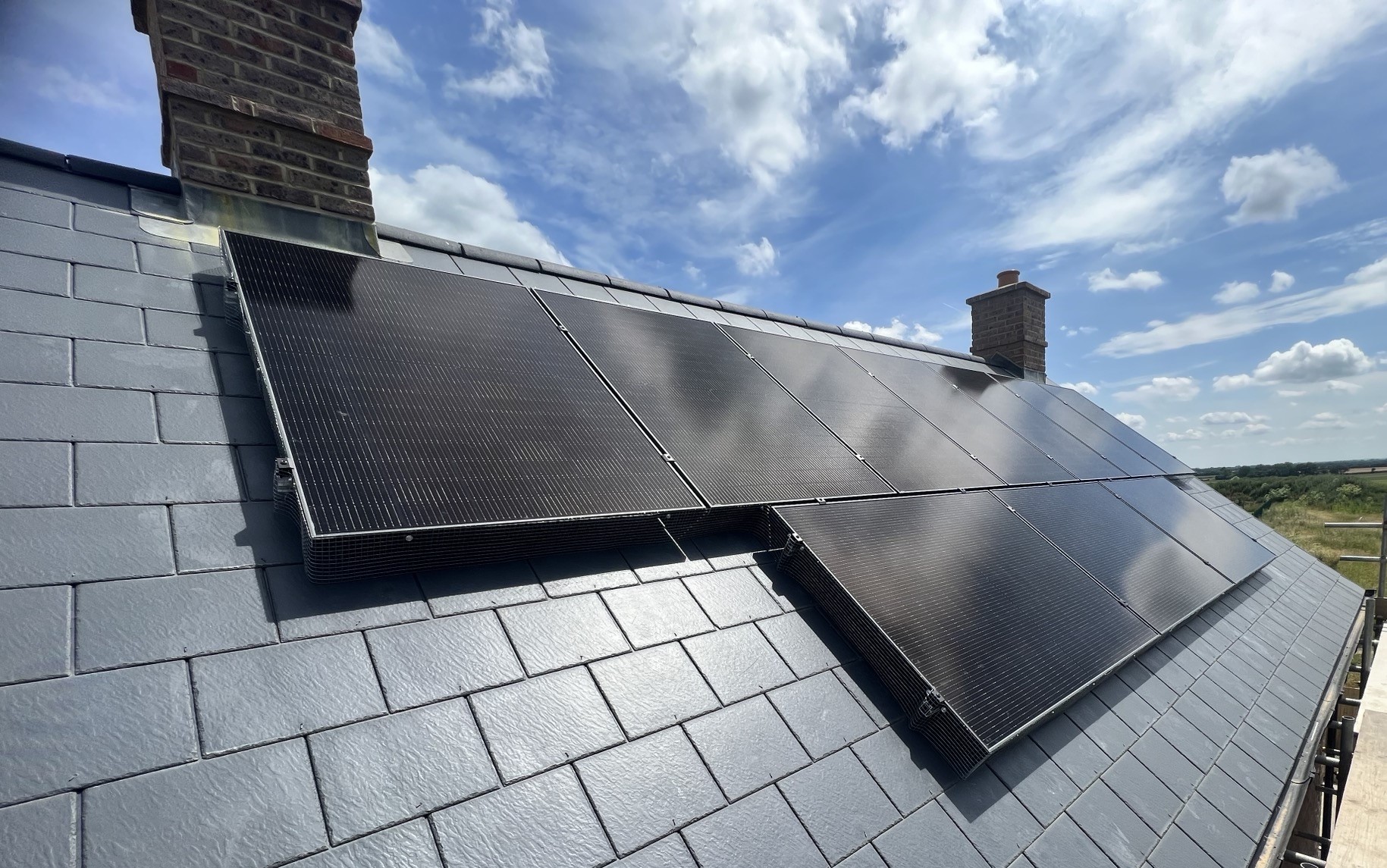
This is where solar energy changes the equation. By installing solar panels, you reduce reliance on grid electricity, shielding yourself from rising energy prices by generating your own clean, renewable power. This results in lower electricity bills and more control over your energy future. With battery storage, you can reduce your reliance further by storing surplus energy for evening use, increasing your overall energy independence.
At SolarTherm UK, we’re seeing a clear trend: more homeowners are moving toward energy self-sufficiency as a direct response to price volatility.
Why This Matters More in 2026
The events of the past few months have reinforced a key reality:
Energy prices in the UK are no longer just about domestic policy – they’re tied to global events you can’t predict.
Solar offers a rare advantage of it’s local, stable and once installed, your costs are largely fixed and predictable.
Why Choose SolarTherm UK?
SolarTherm UK is a trusted solar installer serving homeowners across Essex, Kent and the surrounding South East, helping households take control of their energy.
We provide:
- Expert system designed tailored to your home
- High quality solar panels and battery systems
- Transparent pricing with no hidden costs, verified by EPVS
- Ongoing support and performance guidance
Our team stays up to date with the latest energy market trends, ensuring our customers get solutions that are both future proof and financially effective.
Contact SolarTherm UK today for a free, no obligation quote and design, tailored to your property, usage and future energy needs. No hard sell, just honest, expert advice – and the time you need to make an informed decision.
Your home. Your energy. Your future.
FAQs
Why are UK energy prices still rising in April 2026?
Ongoing global gas market instability—particularly supply concerns and geopolitical tensions—continues to push wholesale prices higher.
Will energy prices go down soon?
Prices may stabilise, but volatility is expected to continue due to the UK’s reliance on imported gas.
Why does gas affect electricity prices?
Because gas power stations often set the market price for electricity, even when renewables are generating power.
Are fixed tariffs worth it right now?
They can offer protection, but availability is limited and prices may be higher due to market uncertainty.
How can I protect myself from rising energy bills?
Installing solar panels (and battery storage) is one of the most effective ways to reduce reliance on grid electricity and stabilise your energy costs.
Is solar still worth it in 2026?
Yes—arguably more than ever. Rising and unpredictable energy prices make solar a strong long-term investment for UK homeowners.