What It Means for Homeowners in the South East
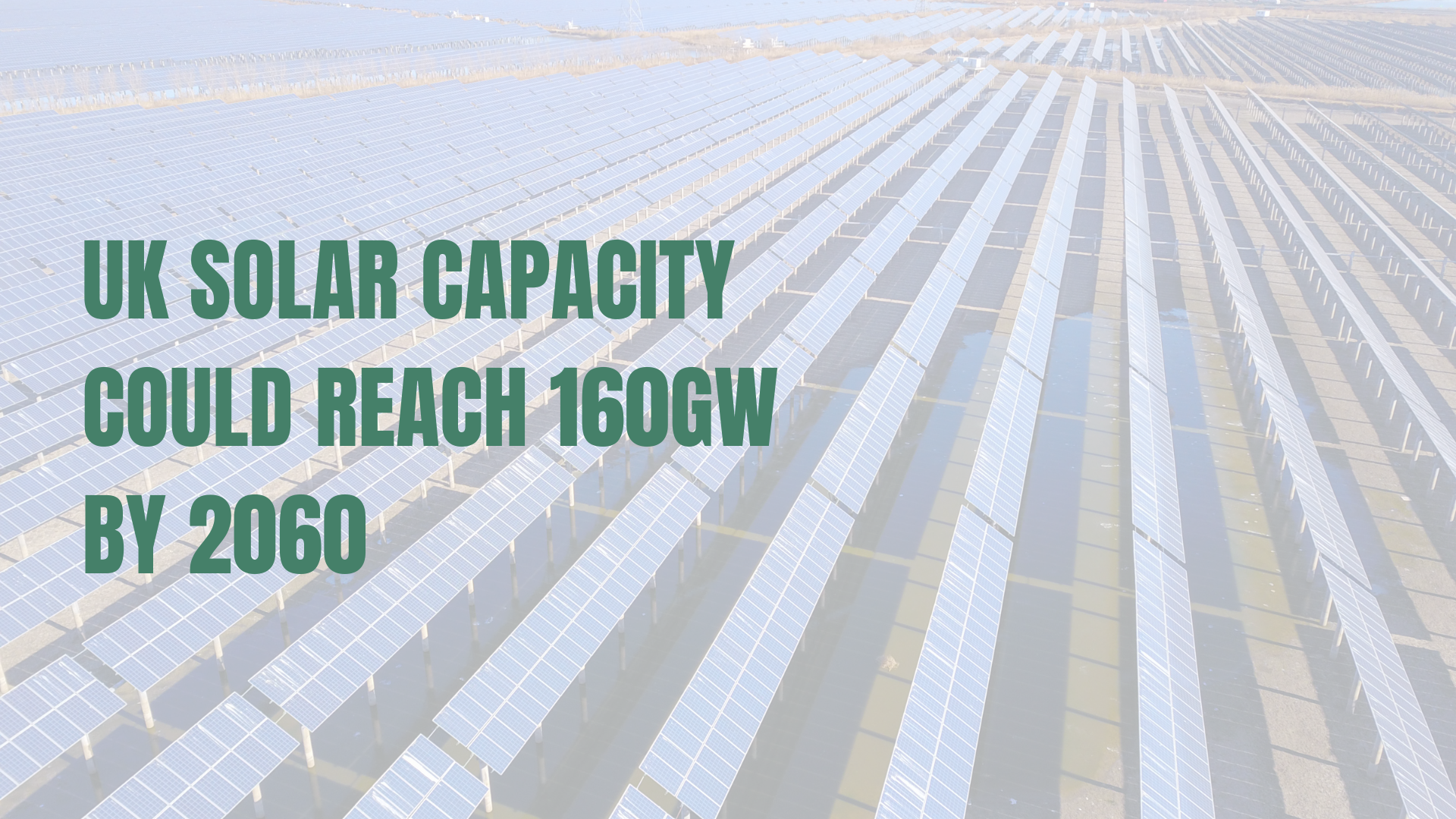
The UK solar sector is expected to expand dramatically over the coming decades, with forecasts suggesting the country could reach over 160GW of installed solar capacity by 2060.
According to the latest Energy Transition Outlook UK 2026 report by global energy advisory firm DNV, solar power will become one of the most important components of the UK’s electricity system as the country moves away from fossil fuels and towards domestic renewable energy generation.
For homeowners and businesses across Essex, Kent, Suffolk and the wider South East, this shift signals an important change in how electricity will be generated, stored and used in the UK.
Rooftop Solar Set to Play a Major Role in the UK Energy System
One of the most significant findings from the report is the expected growth of rooftop solar installation on homes, commercial buildings and industrial sites. DNV forecasts that by 20260 the UK could have around 74GW of rooftop solar capacity, which would be roughly equal to the amount of solar generated by large scale solar farms.
This marks a major shift towards distributed energy generation, where electricity is produced closer to where it is used. Currently, rooftop solar contributes far less to the UK’s solar capacity. In 2024, the UK had around 6GW of rooftop solar installed, roughly half the capacity of utility scale solar farms. However, the long term outlook suggests rooftop solar will play a much larger role in the UK’s energy mix.
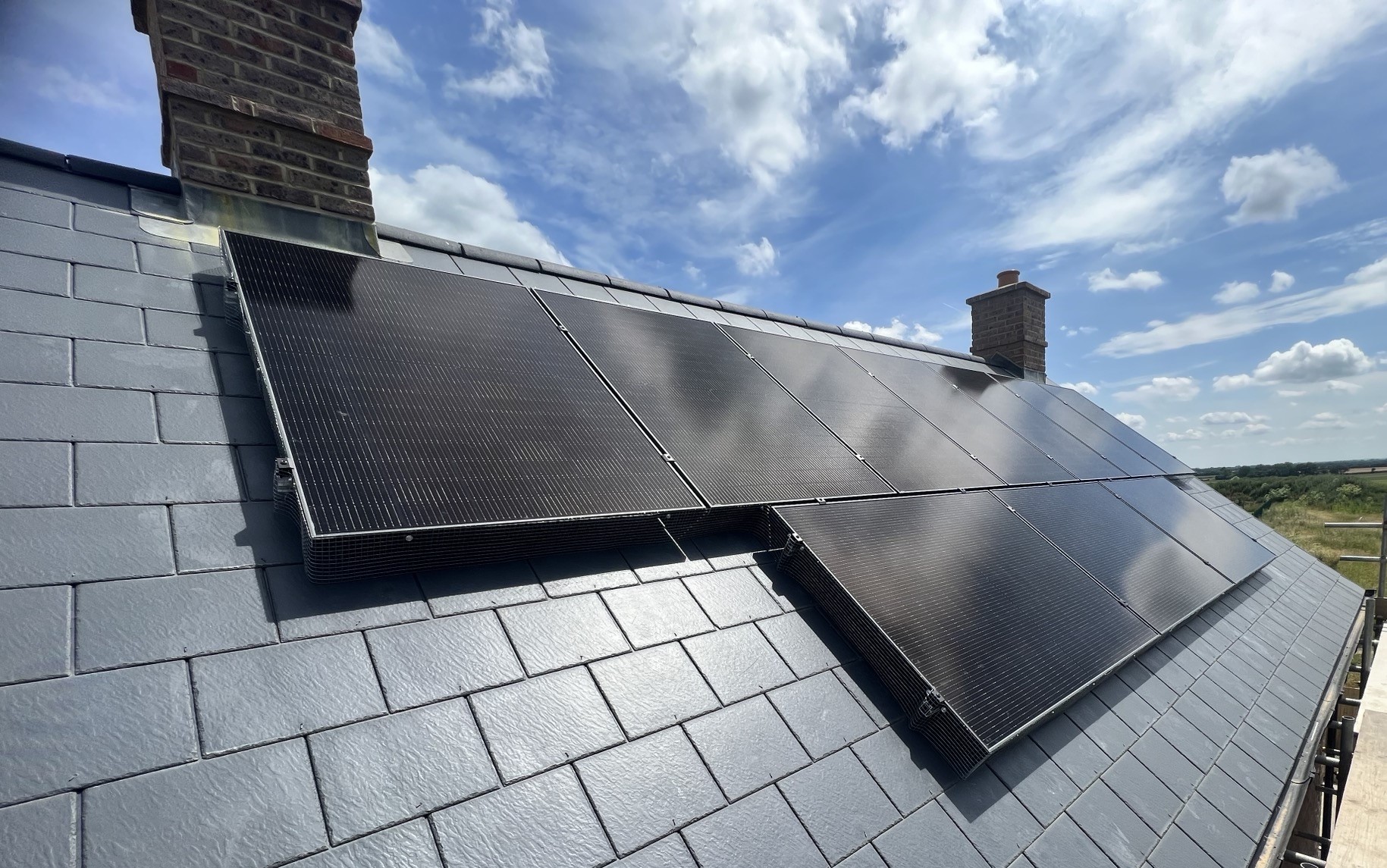
For homeowners in the South East, this means that solar panels are likely to become an even more common feature on residential properties than they already are. Residential solar helps households reduce their reliance on expensive and volatile grid electricity and stabilise their electricity costs.
Solar Could Supply Nearly 20% of UK Electricity Demand
The report also highlights the growing importance of behind the meter (BTM) solar, which refers to solar systems that generate electricity for use directly within a property rather than exporting it to the grid.
DNV estimates that:
- Behind the meter solar could supply up to 17% of the UK electricity demand by 2050
- This could rise to around 19% by 2060
- Today, it accounts for just 2.4% of electricity demand
This rapid growth reflects the increasing appeal of solar technology for households looking to generate their own electricity bills, reducing energy bills and reliance on expensive grid electricity and taking back control of their energy future.
With energy prices in the UK remaining volatile, many homeowners across Essex, Kent and the wider South East are already turning to solar panels and battery storage to gain greater control over their energy usage.
Solar Energy Costs Continue to Fall
Another key driver of solar growth is the declining cost of generating electricity from solar panels. DNV estimates that the cost of electricity for solar power in the UK is currently around £28 per megawatt hour (MWh). By the middle of the century, this could fall to approximately £17 per MWh, making solar one of the most affordable sources of electricity available.
Although the UK’s northern latitude means solar irradiation levels are lower than in southern Europe, advances in panel efficiency, inverter technology and battery storage are continuing to improve performance.
For property owners, this means solar installations are becoming increasingly cost effective over time, particularly when paired with battery storage systems that allow excess energy to be used later.
Utility Scale Solar Farms Will Continue to Expand
While rooftop solar will play a growing role, the report also emphasises that large scale solar farms will remain an important part of the UK energy mix. Government support schemes such as the Contract for Difference (CfD) programme have continued to drive investment in renewable energy projects. The latest allocation round saw a record number of solar projects approved, highlighting strong momentum in the sector.
However, as larger solar developments become more common, the report stresses the importance of community engagement and responsible planning to ensure projects gain local support.
Why Whole System Thinking is Essential for the UK Energy Transition
DNV’s report highlights the need for “whole system thinking” when developing the UK’s future energy infrastructure. This approach means considering how different technologies work together, including:
- Solar power generation
- Wind energy
- Battery energy storage systems (BESS)
- Flexible electricity demand
- Grid infrastructure upgrades
By 2060, the UK energy system is expected to look very different from today. Renewable energy sources, supported by nuclear power, could provide the majority of the country’s electricity, while reliance on imported fossil fuels will significantly decline.
Energy security will increasingly depend on domestic generation, energy storage and smarter electricity networks.
Battery Storage Will Become Critical to Renewable Energy
As renewable energy grows, battery storage technology will play a vital role in balancing supply and demand. The DNV report predicts that utility scale battery storage capacity in the UK could increase dramatically:
- 16GW today
- 46GW by 2035
- More than 90GW by 2060
Battery systems allow surplus renewable electricity to be stored and used later, helping stabilise the grid and maximise the value of solar generation. For homeowners, pairing solar panels with home battery storage can provide greater energy independence, further reducing reliance on the National Grid.
What This Means for Homeowners in the South East
For homeowners across Essex, Kent, Suffolk and the wider South East, the rapid expansion of solar power highlights a clear trend: renewable energy is becoming central to the UK’s electricity system.
Installing solar panels today allows homeowners to:
- Reduce exposure to rising energy prices
- Generate clean electricity on site
- Improve property energy efficiency
- Future proof their home against changes in the energy market
With solar expected to become a cornerstone of the UK’s electricity supply over the coming decades, early adopters can benefit from both financial savings and long term energy security.
Solar Expertise You Can Trust
SolarTherm UK specialises in designing and installing high performance solar PV systems for residential and commercial properties across Essex, Kent, Suffolk and the wider South East.
As part of the Silvercrest Energy Group, SolarTherm UK combines expertise in roofing, scaffolding, access systems and renewable energy installations, allowing projects to be delivered safely, efficiently and to the highest industry standards.
Our team works closely with homeowners and businesses to design tailored solar solutions that maximise energy generation and long term performance.
Thinking About Installing Solar Panels?
Contact SolarTherm UK today for a free, no obligation quote and design, tailored to your property, usage and future energy needs. No hard sell, just honest, expert advice – and the time you need to make an informed decision.
Your home. Your energy. Your future.
FAQs
How much solar capacity will the UK have by 2060?
Energy forecasts suggest the UK could reach over 160GW of installed solar capacity by 2060, with rooftop solar systems on homes and businesses expected to contribute around 74GW of that total.
Will rooftop solar become more common in the UK?
Yes. Energy analysts expect rooftop solar installations to increase significantly over the coming decades as households and businesses adopt renewable energy to reduce electricity costs and improve energy independence.
How much electricity could solar generate in the UK?
Solar power generated on homes and commercial buildings could supply up to 17–19% of UK electricity demand by 2050–2060, compared with around 2–3% today.
Why is battery storage important for solar energy?
Battery storage allows excess electricity generated by solar panels to be stored and used later, helping households reduce reliance on the grid and maximise the value of their solar system.
Is solar still effective in the South East of England?
s. While the UK receives less sunlight than southern Europe, the South East of England is one of the sunniest regions in the UK, making it well suited for solar panel installations on homes and businesses.