Global Energy Markets React as Middle East Tensions Ease
Energy market responded positively this week after the United States and Iran announced a framework agreement aimed at ending months of conflict in the Middle East. One of the most significant developments from the announcement is the planned reopening of the Strait of Hormuz, one of the world’s most important energy shipping routes.
The news triggered an immediate drop in global oil prices, while stock markets across Europe and Asia moved higher as investors welcomed the prospect of greater stability in energy supplies.
For UK households and businesses, the development could eventually help reduce pressure on energy costs. However, experts warn that the situation remains fragile, with the current agreement understood to be a 60 day ceasefire rather than a permanent peace settlement.
Why the Strait of Hormuz Matters
The Strait of Hormuz is a narrow shipping channel connecting the Persian Gulf to global markets. It serves as a vital transit route for crude oil and liquefied natural gas (LNG), with a substantial proportion of the world’s energy supplies passing through the waterway each day.
When conflict escalated earlier this year, concerns over supply disruptions caused wholesale oil and gas prices to surge. Energy traders priced in the risk of shortages, leading to higher costs across international markets.
As news emerged that shipping access could soon resume, Brent crude prices fell sharply, signalling renewed confidence that global supplies may begin returning to normal levels.
Could UK Energy Bills Fall?
Lower oil and LNG prices are generally positive news for UK consumers. While the UK generates increasing amounts of electricity from renewable sources such as solar and wind, global gas prices still play a major role in determining wholesale electricity costs. This means events thousands of miles away can have a direct impact on domestic energy bills.
If energy supplies continue to stabilise and wholesale markets remain calm, future energy price caps could come under downward pressure. Businesses with high energy consumption may also benefit from lower operating costs.
However, households should not expect immediate reductions.
Shipping operations through the Strait of Hormuz will take time to recover fully, and analysts suggest that normal energy flows may not resume for several weeks. Tanker backlogs, infrastructure checks and ongoing security concerns could continue to influence prices throughout the summer.
The 60 Day Risk Factor
Although financial markets have welcomed the agreements, there remains significant uncertainty. The current arrangement is reportedly based on a 60 day ceasefire period. If negotiators fail to secure a longer term peace agreement, energy markets could once again face volatility.
Historically, geopolitical tensions in major energy producing regions have caused rapid spikes in oil and gas prices. Any renewed disruption to shipping routes or production facilities could quickly reverse any price declines. For this reason, many analysts remain cautious despite the positive market reaction.
What This Means for Solar and Battery Storage
Recent events highlight an important lesson for homeowners: energy independence has never been more valuable.
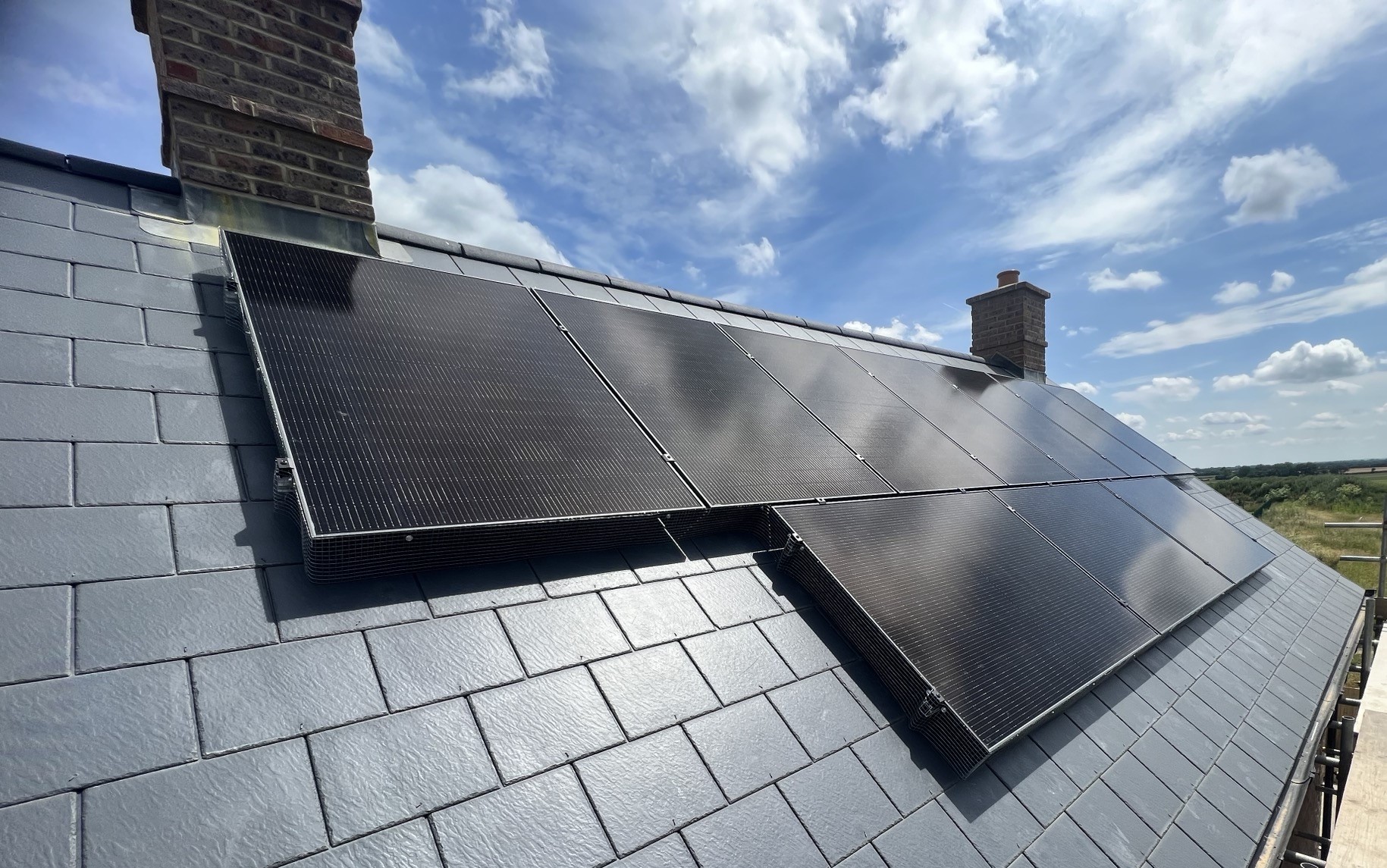
Global events continue to influence the price of imported fuels, exposing households to uncertainty beyond their control. Solar panels and battery storage systems help reduce reliance on wholesale energy markets by allowing homeowners to generate and store more of their own electricity.
Even if energy prices ease in the short term, the underlying risks facing global energy markets have not disappeared. Investing in renewable technology can provide greater protection against future price shocks while helping reduce long term electricity costs.
Expert Insight from SolarTherm UK
At SolarTherm UK, we closely monitor developments across global energy markets because international events often affect energy prices here in the UK.
While the reopening of the Strait of Hormuz is encouraging news and could help stabilise wholesale energy costs, the current ceasefire should not be viewed as a guaranteed long term solutions. Energy markets remain highly sensitive to geopolitical developments, making energy efficiency, solar PV systems and battery storage increasingly attractive options for homeowners across the South East and East Anglia.
By generating more electricity on site and reducing dependence on imported energy, households can gain greater control over their energy costs regardless of global market fluctuations.
Looking Ahead
The coming weeks and months will be critical for energy markets. If the ceasefire develops into a lasting peace arrangement, further reductions in wholesale oil and gas prices may be possible.
However, if negotiations stall or tensions re-emerge, energy markets could quickly become volatile again. For UK homeowners, the latest developments serve as another reminder that while global energy prices remain unpredictable, investing in renewable energy can provide greater certainty, lower bills and improved energy security for years to come.
Contact SolarTherm UK today for a free, no obligation quote and design, tailored to your property, usage and future energy needs. No hard sell, just honest, expert advice – and the time you need to make an informed decision.
Your home. Your energy. Your future.
Frequently Asked Questions
Will the reopening of the Strait of Hormuz reduce UK energy bills?
Potentially. Lower oil and LNG prices can reduce wholesale energy costs, which may eventually feed through into lower consumer bills. However, changes are unlikely to happen immediately.
Why does a conflict in the Middle East affect UK electricity prices?
Natural gas remains an important part of the UK’s energy mix. Global gas prices influence wholesale electricity prices, meaning international supply disruptions can affect domestic energy costs.
Is the current ceasefire permanent?
No. Current reports suggest the agreement covers an initial 60-day ceasefire period. Longer-term stability will depend on future negotiations.
How can solar panels help protect against energy price rises?
Solar panels allow homeowners to generate their own electricity, reducing the amount they need to buy from the grid. This can provide protection from future increases in wholesale energy prices.
Are battery storage systems worth considering?
Battery storage allows excess solar energy generated during the day to be stored and used later, increasing self-consumption and reducing reliance on grid electricity.