Small changes to the way you use energy at home can make a noticeable difference to your energy bills, your household’s energy consumption and your carbon footprint.
You don’t need to completely change your lifestyle to use less energy. From adjusting your heating habits and washing at lower temperatures to making better use of your appliances, there are plenty of simple changes you can make straight away.
And if you want to take your energy savings further, combining these habits with solar panels and battery storage can help you generate and use more of your own electricity.
Here are some practical ways to make your home more energy efficient.
Make Your Heating More Energy Efficient
Heating your home can account for a significant proportion of household energy use, particularly during the colder months. Making a few changes to how you heat your home can help reduce unnecessary energy consumption.
Improve Your Home’s Insulation
Good insulation helps your home retain heat for longer, meaning your heating system doesn’t have to work as hard to maintain a comfortable temperature.
Check that your loft, walls and floors are adequately insulated and look out for draughts around doors and windows. Simple measures such as draught excluders and properly fitted seals can help prevent warm air escaping.
Use Your Thermostat Wisely
Reducing your thermostat by even a small amount can help reduce heating demand. Rather than heating an empty home, use timers or smart heating controls to schedule your heating around your routine.
Smart thermostats can also give you greater control over individual heating periods, helping prevent energy being wasted when you’re out or asleep.
Close Curtains and Doors
Closing curtains and internal doors can help retain warmth within the rooms you’re using. Thick or thermal curtains can provide an additional layer of insulation around windows.
And on particularly cold days, putting on an extra layer of clothing or using a blanket can allow you to stay comfortable without immediately reaching for the thermostat.
Use Less Energy When Heating Water
Heating water is another important part of household energy use, so small changes to your daily routine can help reduce both water and energy consumption.
Try these simple habits:
- Take shorter showers rather than long baths.
- Consider installing a water-efficient showerhead.
- Don’t leave taps running unnecessarily.
- Fix dripping taps and leaks promptly.
- Run your washing machine and dishwasher with full loads where possible.
- Use eco programmes when they are suitable for the load.
- Only boil the amount of water you actually need in the kettle.
These changes might seem small individually, but repeating them every day can add up over time.
Switch to LED Lighting
Replacing older bulbs with LED alternatives is a straightforward way to improve your home’s energy efficiency.
LED bulbs generally use less electricity and last significantly longer than traditional incandescent bulbs.
You can also reduce unnecessary electricity use by:
- Turning lights off when you leave a room.
- Making the most of natural daylight.
- Avoiding leaving outdoor or decorative lighting on unnecessarily.
- Using timers or smart controls where appropriate.
Smart lighting can also make it easier to control lights around your home, particularly if you’re likely to forget to switch them off.
Change Your Everyday Appliance Habits
Your daily routines can have a bigger impact on your energy consumption than you might think.
Wash Clothes at a Lower Temperature
Modern washing machines and detergents are designed to clean many everyday loads effectively at lower temperatures.
Where appropriate, washing at 30°C instead of a higher temperature can reduce the amount of energy required to heat the water.
Avoid Unnecessary Tumble Drying
Tumble dryers can use a considerable amount of electricity, particularly when used frequently.
Where practical, air-dry your clothes instead. If you do use a tumble dryer, make sure the clothes have been spun properly in the washing machine first and avoid running the dryer for longer than necessary.
Use Your Oven Efficiently
Try to avoid opening the oven door unnecessarily while cooking, as this allows heat to escape.
When cooking on the hob, using lids on pans can also help food cook more efficiently by retaining heat.
If you’re cooking something small, consider whether a microwave, air fryer or other smaller appliance could do the job using less energy than a full-sized oven.
Don’t Waste Electricity on Standby
Many appliances continue to consume some electricity when they’re left on standby.
Make a habit of switching appliances off at the plug when they’re not needed, particularly if you’re going to be away from home for an extended period.
You don’t necessarily need to unplug every appliance in your home, but identifying equipment that is regularly left on unnecessarily can help reduce avoidable electricity use.
Get the Whole Household Involved
Changing your energy habits is much easier when everyone in the household is doing their part.
Simple routines such as switching off lights, closing doors, reducing unnecessary heating and avoiding standby power can quickly become second nature.
If you have children, getting them involved can also be a useful way to introduce them to energy efficiency and the importance of reducing household waste.
Take Your Energy Savings Further With Solar Panels
Changing your energy habits is a great place to start, but there is another way to reduce your reliance on electricity from the grid: generate your own electricity with solar panels.
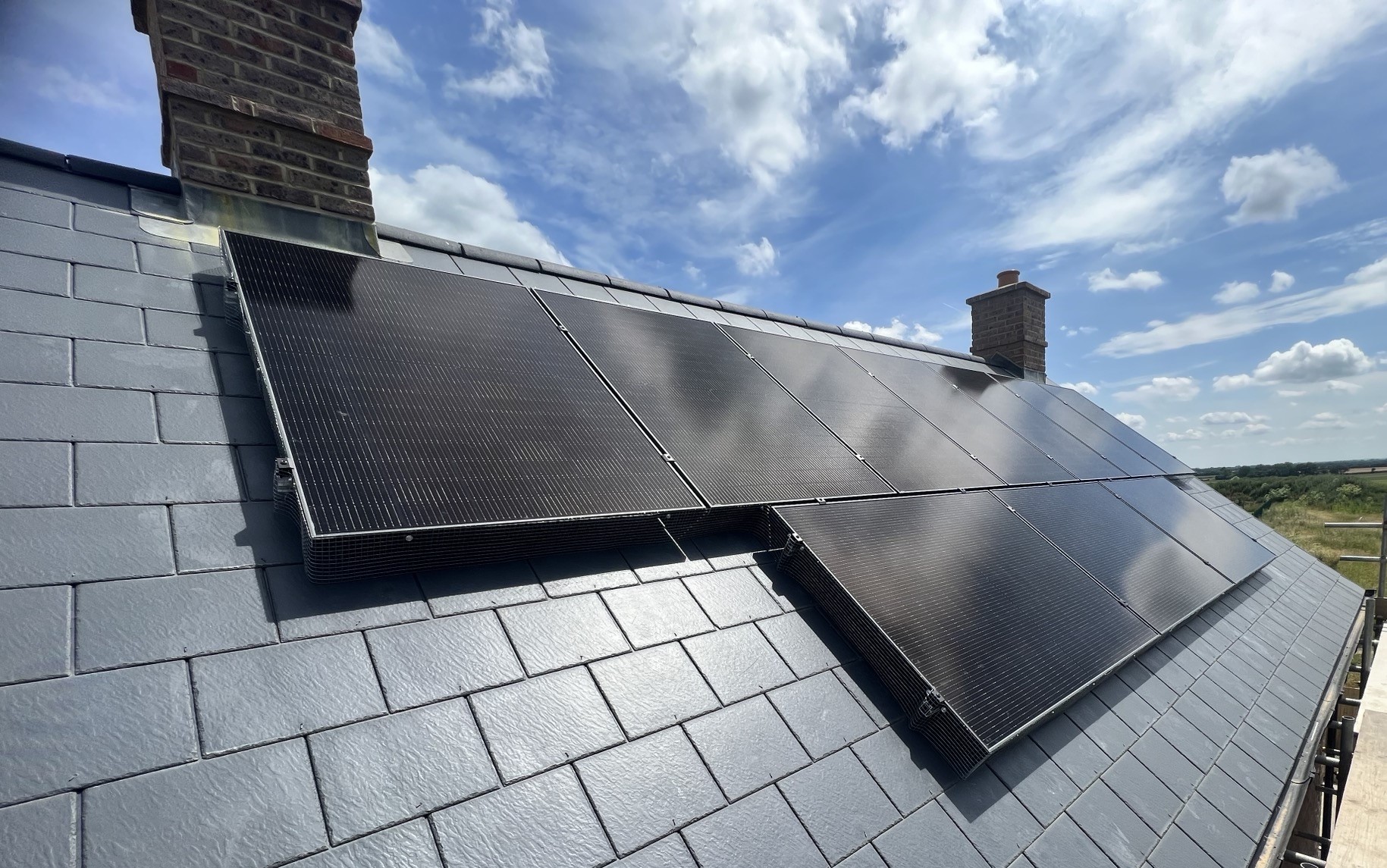
A solar PV system uses sunlight to generate electricity for your home. The more of your solar electricity you use yourself, the less electricity you need to purchase from your energy supplier.
Adding a home battery can take this a step further.
Instead of using all your solar electricity immediately, excess generation can be stored in your battery and used later when your solar panels aren’t producing enough electricity — such as during the evening.
This can help you make greater use of the electricity your solar panels generate and reduce your reliance on grid electricity.
Solar Works Particularly Well Alongside Energy Efficient Habits
The combination of energy efficiency, solar panels and battery storage can provide a more comprehensive approach to managing your home’s energy use.
For example, you could:
- Reduce unnecessary energy consumption.
- Improve your home’s insulation and heating efficiency.
- Use appliances more efficiently.
- Generate your own electricity with solar panels.
- Store surplus solar energy in a home battery.
- Use more of your generated electricity when you actually need it.
It’s not about changing everything overnight. Small improvements can form part of a much bigger strategy for reducing your home’s energy costs and environmental impact.
Ready to Take Control of Your Energy?
Changing your energy habits is a simple way to start using less energy, but if you’re looking to make a bigger change, solar panels could help you generate more of your own electricity.
At SolarTherm UK, we design solar PV and battery storage systems around your property, electricity usage and future energy needs.
We’ll give you honest, expert advice with no hard sell.
Your home. Your energy. Your future.
Frequently Asked Questions
Start with simple habits such as reducing unnecessary heating, switching off lights and appliances when they’re not needed, washing clothes at lower temperatures and avoiding unnecessary tumble drying.
Yes. Reducing unnecessary energy consumption means you need to purchase less energy, which can help lower your household energy bills. The amount you can save will depend on your home, energy use and energy prices.
Yes. Solar panels generate electricity that you can use in your home, reducing the amount of electricity you need to buy from the grid. Your potential savings will depend on factors including your system size, electricity usage, roof orientation and shading.
A battery can help you store surplus solar electricity generated during the day so that you can use it later. This can increase the proportion of your solar generation that you use yourself, although whether a battery is worthwhile depends on your energy consumption, system and circumstances.
Start by looking at the areas where your home uses the most energy. Improving insulation, managing your heating, using appliances efficiently, switching to LED lighting and considering renewable energy such as solar PV can all contribute to a more energy-efficient home.