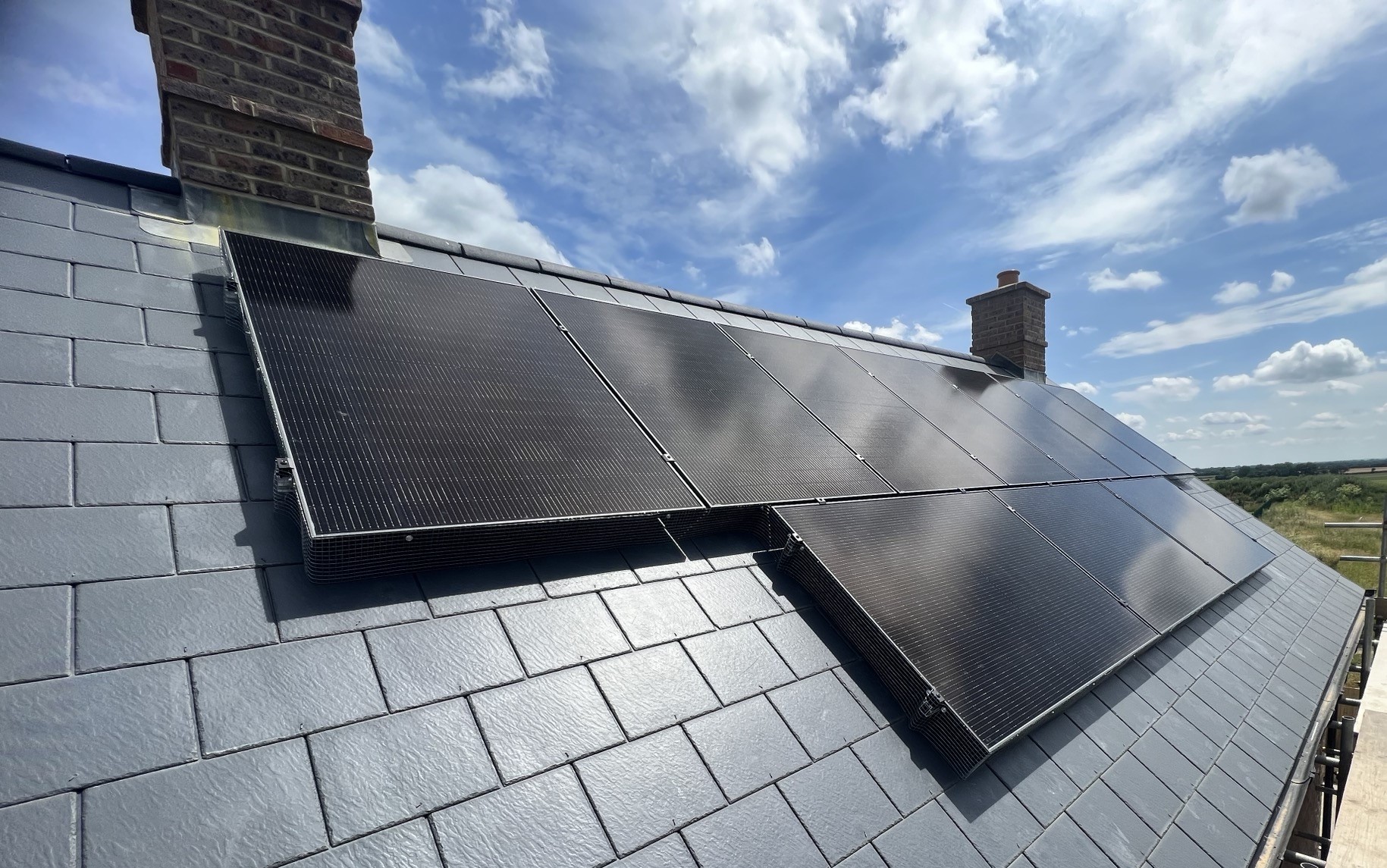
Generating your own electricity with solar panels is one of the best ways to reduce your energy bills, but what happens when your system produces more electricity than your home is using?
Without a way to store or use the surplus energy, it is either exported to the National Grid for payment via the Smart Export Guarantee (SEG) or goes unused if you are not signed up to an export tariff.
A solar diverter offers another option. Instead of exporting surplus electricity, it automatically redirects it to heat your home’s hot water cylinder, allowing you to make better use of the renewable energy you generate.
For homeowners across the South East and East Anglia, where solar panels can generate significant amounts of electricity throughout the year, a solar diverter can help reduce both electricity and gas consumption while increasing the value of your solar PV system.
In this guide, we’ll explain how solar diverters work, their advantages and disadvantages, and whether they’re the right choice for your home.
What Is a Solar Diverter?
A solar diverter, sometimes called a solar immersion controller, is a smart device that monitors the electricity flowing around your home. Whenever your solar panels generate more electricity than your household is using, the diverter automatically sends the surplus power to your immersion heater instead of exporting it to the grid.
The immersion heater then heats the water stored in your hot water cylinder, giving you a supply of hot water powered almost entirely by renewable energy. Rather than allowing valuable solar electricity to leave your property, a diverter enables you to use more of what you generate yourself.
How Does a Solar Diverter Work?
Solar diverters constantly monitor electricity flowing through your home’s consumer unit. When solar production exceeds your household demand, the diverter reacts almost instantly by sending only the surplus electricity to your immersion heater.
The process is fully automatic:
- Solar panels generate electricity
- Your home uses the electricity it needs first
- The diverter detects any surplus generation
- Excess electricity heats your hot water
- If household demand increases, the diverter automatically reduces or stops power to the immersion heater
Unlike a traditional immersion heater, which simply switches fully on or off, many modern solar diverters continually adjust the amount of power sent to the immersion heater. This allows them to make use of even small amounts of surplus generation throughout the day.
Why Are Solar Diverters Popular in the South East?
The South East and East Anglia receive some of the highest levels of sunshine in the UK, allowing solar PV systems to generate more electricity than many other regions. This often means homeowners produce surplus electricity during spring, summer and bright autumn days.
Without battery storage or a diverter, much of this electricity is exported to the grid. A solar diverter helps capture more of this renewable energy within your home by converting it into stored hot water.
Reduce Both Electricity and Gas Bills
One of the biggest advantages of a solar diverter is that it can reduce costs across two different energy supplies. By using more of your own electricity, you buy less power from the grid. If your hot water is normally heated using a gas boiler or electric immersion heater, you’ll also reduce the amount of fuel required to heat your water.
This means savings can come from:
- Lower electricity imports
- Reduced gas consumption
- Increased solar self-consumption
- Better return on your solar investment
For households that use a lot of hot water, these savings can become significant over the lifetime of the system.
Solar Diverter vs Solar Battery Storage
Both solar batteries and solar diverters increase the amount of solar electricity you use yourself, but they do so in different ways.
| Feature | Solar Diverter | Solar Battery |
|---|---|---|
| Stores energy as | Hot water | Electricity |
| Typical cost | Lower | Higher |
| Best suited to | Homes with hot water cylinders | Homes wanting backup power and evening usage |
| Main benefit | Reduces water heating costs | Powers the whole home after sunset |
| Return on investment | Often quicker | Longer-term |
Many homeowners choose one of the other, while some install both. A battery supplies electricity during the evening, while any remaining surplus generation can still be diverted to heat water, helping maximise self-consumption.
Solar Diverter or Export Your Electricity?
With export tariffs available through the Smart Export Guarantee, some homeowners wonder whether exporting electricity is more profitable than heating water. The answer depends on several factors, including:
- Your export tariff
- The price you pay for gas
- The amount of hot water your household uses
- Whether you already have battery storage
If you’re on a high paying export tariff, exporting surplus electricity may sometimes provide a better financial return than diverting it. However, if your priority is reducing gas consumption and increasing your home’s energy independence, a solar diverter can still offer excellent value.
At SolarTherm UK, we assess each property individually and provide impartial advice whether a diverter, battery storage or a combination of both will deliver the greatest long term benefit.
Who Should Consider Installing a Solar Diverter?
A solar diverter is particularly suitable if you:
- Have a hot cylinder with an immersion heater
- Already have solar panels installed
- Are planning a new solar installation
- Export a significant amount of electricity
- Want to reduce gas usage
- Prefer a lower cost alternative to battery storage
If your home uses a combi boiler with no hot water cylinder, a solar diverter is generally not suitable without additional costly modifications.
Why Choose SolarTherm UK?
Choosing the right installer is just as important as choosing the right equipment. SolarTherm UK has been designing and installing high quality solar PV systems across Essex, Kent, Suffolk, Hertfordshire and the wider South East and East Anglia for over 16 years, helping homeowners maximise the value of every kilowatt hour (kWh) they generate.
When you choose SolarTherm UK, you’ll benefit from:
- MCS certified solar installations
- NICEIC approved electrical work
- Experienced, in-house installation teams
- Honest, tailored recommendations based on your property
- High quality equipment from trusted manufacturers
- Ongoing support after installation
Whether you’re installing a complete solar PV system or upgrading an existing installation with battery storage or a solar diverter, our team will help you find the most effective solution for your home and budget.
Final Thoughts
A solar diverter is one of the simplest ways to improve the efficiency of a solar PV system. By automatically converting surplus solar electricity into hot water, it helps homeowners reduce both electricity and gas consumption while making greater use of the renewable energy they generate.
Although export tariffs and battery storage have changed the way many homeowners use their solar electricity, a diverter remains an excellent solution for properties with hot water cylinders that want to maximise self-consumption without a higher upfront cost of a battery.
If you’re unsure whether a solar diverter is right for your home, SolarTherm UK can assess your existing system or design a new installation that makes the most of your property’s solar potential.
Contact SolarTherm UK today for a free, no obligation quote and design, tailored to your property, usage and future energy needs. No hard sell, just honest, expert advice – and the time you need to make an informed decision.
Your home. Your energy. Your future.
FAQs
How much can I save with a solar diverter?
Savings vary depending on usage, but many UK households save £100–£300 per year by reducing gas and electricity consumption.
Do I need a hot water tank?
Yes—solar diverters work by heating water via an immersion heater, so a cylinder is required.
Can I install a diverter with an existing solar system?
Absolutely. Most diverters are retrofittable and compatible with existing systems.
Will it work in winter?
Yes, but output is lower due to reduced solar generation. Most savings occur in spring and summer.
Is it better than a solar battery?
Not necessarily—it’s more affordable and offers faster payback but doesn’t store electricity for later use.