Energy prices in the UK remain highly volatile – and global events are playing a bigger role than many homeowners realise.
One of the most significant current pressures is the ongoing disruption in the Strait of Hormuz, a key global oil and gas shipping route. While it may seem distant, the knock on effect is being felt directly in homes across Essex, Kent and Hertfordshire, with rising electricity and gas costs expected to continue into winter.
For homeowners, the takeaway is simple: reliance on fossil fuels leaves your energy bills exposed to global instability.
Why the Strait of Hormuz Matters to Your Energy Bills
The UK imports a substantial portion of its energy, particularly natural gas. When major supply routes like the Strait of Hormuz are disrupted, wholesale energy prices increase rapidly.
Industry analysts and energy suppliers have warned that:
- Household energy costs have already risen dramatically since 2021
- Prices could climb further if supply disruptions continue
- Bills may increase by hundreds of pounds heading into winter
Even with government efforts to stabilise pricing, the UK energy market is still heavily linked to gas costs – meaning global conflicts can quickly translate into higher household bills.
UK Energy Costs: The Bigger Picture
Recent analysis suggests UK households are now paying significantly more for energy compared to just a few years ago. This isn’t due to one single factor, it’s the result of ongoing geopolitical tensions, continued reliance on imported fossil fuels and wholesale market volatility.
The UK has limited energy independence, and for homeowners in the South East, where energy demand is high, this creates ongoing financial pressure with little short term relief.
The Shift Towards Renewable Energy Is Accelerating
While the outlook for fossil fuel pricing remains uncertain, one area is showing clear progress: renewable energy adoption.
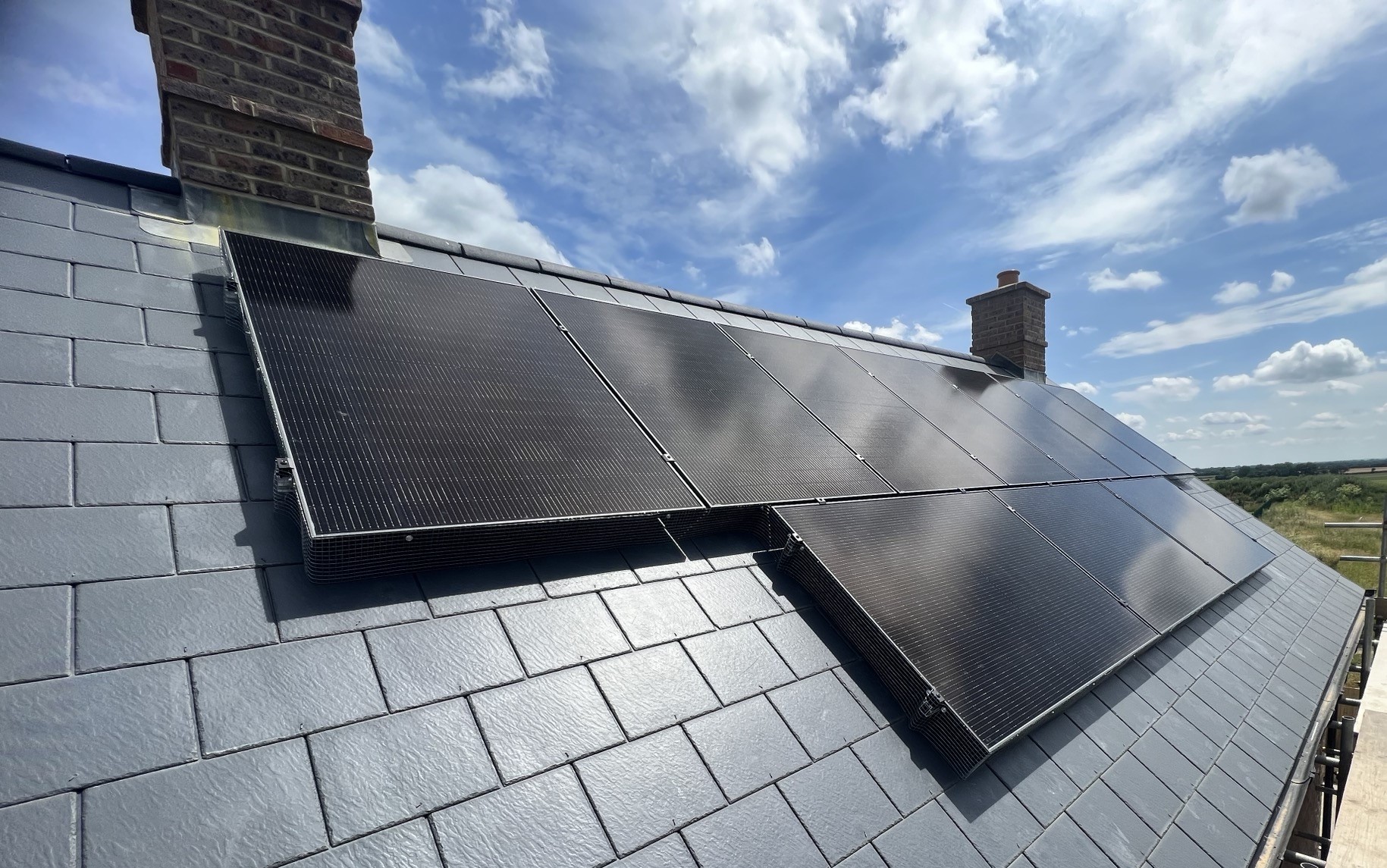
In April 2026, solar energy reached record breaking levels in the UK – at one point supplying over 40% of the nation’s electricity during peak generation. This highlights a key trend that solar is no longer a niche technology and is now a major contributor to the UK energy mix. Solar adoption is rapidly increasing among homeowners, with over 1.6 million homes now having solar installed.
Why More Homeowners in Essex, Kent and Hertfordshire Are Choosing Solar
At SolarTherm UK, we’re seeing a significant rise in enquiries from homeowners looking to take control of their energy costs. The reasons are straightforward:
- Protection against rising energy prices: solar panels allow you to generate your own electricity, reducing reliance on expensive grid electricity
- Long term savings: once installed, a solar PV system can significantly cut monthly energy bills
- Greater energy independence: you’re less exposed to global supply issues and market fluctuations
- Increased property value: energy efficient homes are becoming more attractive to buyers
Government Action vs Reality
The UK government has announced plans to reduce the link between gas prices and electricity costs. While this could help in the long term, it won’t immediately shield households from current global pressures.
In the meantime, energy suppliers are introducing short term incentives – such as off peak usage schemes – but these do little to address the root issue: dependence on imported energy.
Expert Insight from SolarTherm UK
With years of experience installing solar systems across Essex, Kent and Hertfordshire, SolarTherm UK works directly with homeowners to reduce energy costs and improve long term efficiency.
We specialise in:
- Residential solar panel installations
- Battery storage systems
- Tailored system design based on usage patterns
- Ongoing system performance support
Our team understands the regional property types, roof orientations and planning considerations unique to the South East – ensuring every system is optimised for maximum return.
The Bottom Line
Energy prices are unlikely to stabilise fully while the UK remains reliant on global fuel markets. For homeowners, the most effective way to reduce exposure is to generate your own power.
Solar energy offers a practical, proven route to lower bills, greater control and long term savings.
Ready to Find Out How Much You Could Save?
Contact SolarTherm UK today for a free, no obligation quote and design, tailored to your property, usage and future energy needs. No hard sell, just honest, expert advice – and the time you need to make an informed decision.
Your home. Your energy. Your future.
Frequently Asked Questions
Is solar still worth it in the UK in 2026?
Yes. With energy prices remaining high and volatile, solar continues to offer strong long-term savings and protection against rising costs.
How much can I save with solar panels?
Savings vary, but many UK homeowners reduce their electricity bills by 40–70%, especially when combined with battery storage.
Do solar panels work in the South East of England?
Absolutely. Essex, Kent, and Hertfordshire receive sufficient daylight for solar to perform efficiently year-round.
How long does installation take?
Most residential solar systems can be installed within 1–3 days, depending on system size and complexity.
Do I need planning permission?
In most cases, solar panel installations fall under permitted development. However, exceptions can apply, particularly for listed buildings.