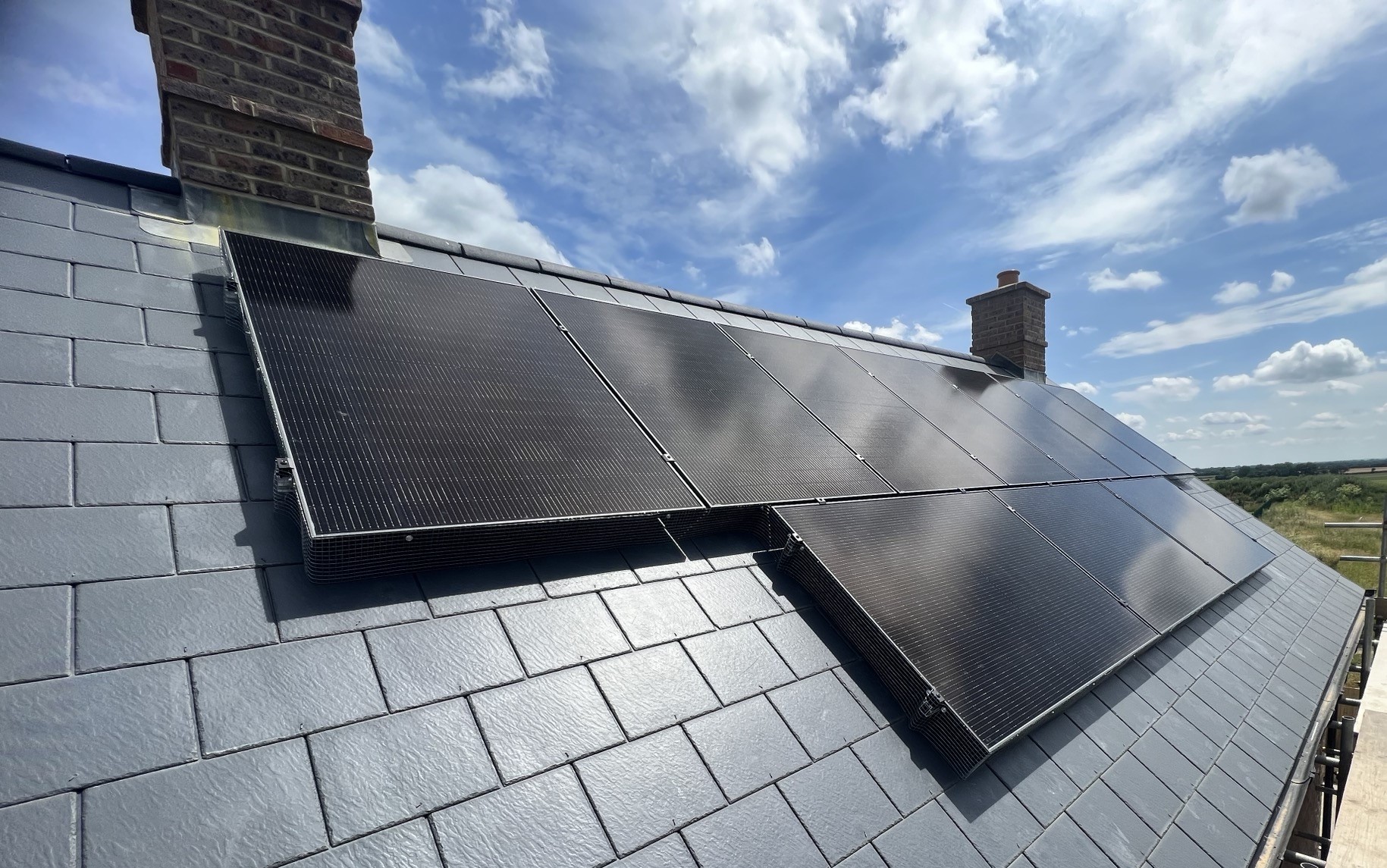
Switching to solar panels is one of the most effective ways homeowners and businesses across Essex, Kent, Sussex and the wider South East can cut energy bills, lower carbon emissions and boost property value. With sunlight hitting our planet every hour carrying enough energy to power the world for a year, it’s no surprise that solar is becoming the South East’s fastest growing home improvement.
At SolarTherm UK, we’ve helped thousands of homeowners understand the advantages and disadvantages of solar panels, helping them make an informed decision backed by expert local guidance.
What Are the Pros and Cons of Solar Panels?
Solar technology has developed rapidly in recent years, prices have fallen, government incentives such as the Smart Export Guarantee (SEG) have improved payback periods and battery storage is more advanced than ever before. However, like any energy solution, there are pros and cons to consider.
Here’s our expert breakdown.
Advantages of Solar Panels
Renewable Energy Source
Solar power is a clean, renewable source of energy. Unlike fossil fuels, sunlight won’t run out, making it a long term, future proof solution to your energy needs.
Lower Electricity Bills
By generating your own free electricity from your roof, you reduce how much you purchase from the grid. Most homeowners see a reduction of up to 70% in their electricity bills, saving on average £600-£1,500 a year, depending on system size, usage and tariff.
Earn Money With the Smart Export Guarantee (SEG)
If your system produces more power than you are using, you can export any surplus you produce to the grid and get paid for it. This can earn you an additional £300-£350 per year, decreasing your payback period and increasing the value of your system.
Reliable All Year Round – Even in Cloudy Weather
Modern solar panels work efficiently even during typical British cloudy days. Solar panels require sunlight to work, not heat, so even on cloudy days your solar panels will still generate electricity. The South East receives some of the highest annual sunlight hours in the UK, making solar particularly effective in the South East.
Low Maintenance
Solar panels require minimal upkeep, usually a simple clean with a hose and soft cloth one or twice a year will suffice. Rainfall will clear most of the dust and dirt away from your solar panels naturally.
Most solar panels are built to last a minimum of 25 years, with many going on to perform efficiently for up to 40 years. With no moving parts, wear and tear is minimal with solar panels. The only component likely to need replacement over time is your inverter, generally around 10-12 years, depending on the brand.
Greater Energy Independence
Solar panels reduce reliance on expensive grid electricity. When paired with battery storage, you can power your home around the clock using free electricity you have generated on your roof.
Increases Property Value
Homes with solar panels are becoming increasingly more appealing to buyers. Properties with solar often sell faster and at a premium, often earning up to 14% more than a similar property with no solar installed.
Works for a Variety of Purposes
Solar can be used for generating electricity, heating water (using a solar diverter), off grid energy supply and powering outbuilding, sheds and EV chargers. The more of your generated power you can use the less you are relying on expensive grid electricity and the faster your solar system is paid off.
Technology Keeps Improving
Advances in solar cell efficiency, bifacial panels and lithium battery capacity continue to improve output and reduce long term costs.
Disadvantages of Solar Panels
While solar offers major benefits, it’s important to consider the potential drawback before installation.
Initial Cost
The upfront investment, panels, inverter, installation and optional battery, can be significant. Prices are falling (by over 80% in the last decade) and flexible finance options including Green Energy Loans make solar far more affordable and accessible for more households.
Weather Dependent
Solar panels generate less electricity on cloudy and rainy days. Although the South East has favourable weather conditions for solar, generation and output will vary seasonally.
Battery Storage Costs
To use solar energy at night, you need a battery system. While prices have dropped, batteries still represent an additional cost. Many homeowners will start with solar panels only and add battery storage later.
Roof Space Requirements
To maximise output, you need sufficient rood space with minimal shading. Not every roof is suitable, there are modern alternatives such as ground mounted systems and installing solar panels on flat roofs on outbuildings and garages that overcome difficulties with traditional roof mounts.
Some Environmental Impact
Manufacturing solar panels involves energy use and materials that must be responsibly recycled at the end of their lifespan. However, solar’s lifetime carbon footprint remains far lower than fossil fuel energy, with most solar panels paying back their carbon debt within 3 years of use.
Solar Panels in Essex, Kent and Sussex – Are They Worth It?
Absolutely, for most homeowners in the South East, the pros of solar panels far outweigh the cons. Between significant bill savings, SEG payments, increased property value and reduced carbon emissions, solar remains one of the most rewarding home upgrades available.
If you’re considering solar for your home or business, SolarTherm UK can help you assess:
- Your roof suitability
- Potential savings
- System size
- Battery options
- Installation costs
- Payback period
Ready to Explore the Pros and Cons of Solar for Your Property?
Contact SolarTherm UK today for a free, no obligation quote and design, tailored to your property, usage and future energy needs. No hard sell, just honest, expert advice.
Your home. Your energy. Your future.