“Energy cannot be created or destroyed. It can only be changed from one form to another.” – Albert Einstein.
There are many new ways to generate electricity, from established renewable energy sources such as solar panels, wind turbines and hydropower to emerging technologies that harness movement, biological processes and even falling raindrops. While some of these innovative methods are still experimental, they demonstrate how scientists are exploring new ways to turn energy from the world around us into usable electricity. But which of these unusual power-generation technologies could make a real difference, and which are more science experiment than practical solution? We explore some of the strangest approaches and discover why solar power remains one of the most effective and accessible ways to generate electricity today.
Squeezing Onions
We all know that when cutting onions we tend to cry, but did you know they can also make electricity? When squeezed, the juice can be converted into methane, which can be used to generate electricity. An onion wholesaler in California has been saving more than half a million dollars on its energy bills using this technique.
Movement
Nightclubs across Europe have been installing flooring that collects energy from dancers and converting it into electricity to keep lights and music playing. Kinetic energy generators can be placed in other public spaces such as playgrounds and roads.
A great example is Coldplay’s Music of the Spheres World Tour, where the band are using kinetic floors and electricity-generating bikes. Dancing fans and cycling volunteers helped charge batteries that powered the concert’s lighting and sound systems — a real crowd-powered performance.
Jellyfish
A team at Chalmers University of Technology in Sweden discovered that glow in the dark jellyfish contain a protein, known as GFP. When combined with aluminium electrodes and exposed to UV light, this protein releases electrons — creating a biological fuel cell that produces electricity without an external power source.
Algae
Algae naturally store energy in the form of oil. If extracted correctly it can be refined into a biofuel. While this method isn’t yet viable for large scale generation, the potential for future developments is high thanks to the vast quantities of algae available across the world’s seas and oceans.
Rain
When rainwater falls on an electrically non-conductive surface, such as a roof, umbrella or the ground, it generates trace amounts of electrical charge. Scientists from Mainz, Germany have developed a method for determining charge generation. They are developing a surface that enhances the use of the charging effect and generating small amounts of electricity.
Meanwhile, researchers in Hong Kong are also trying to harness the power of rain to generate electricity, in this case the energy from the impact of raindrops. The researchers have developed a nano-current generator that can generate energy from the fall of individual droplets. Although this technology is still in its early stages, it shows exciting potential for future applications – especially in the rainy UK.
Hot Air
If you’ve ever been in an attic or top-floor flat, you’ll know that heat rises. One Australian entrepreneur wants to turn that simple fact into a renewable energy powerhouse.
The company EnviroMission has proposed an 800-metre-tall solar updraft tower in the Arizona desert. Beneath a huge translucent canopy, sunlight would heat the air to around 90°C, forcing it to rise through the tower. As it does, the hot air would drive 32 turbines — generating up to 200MW of electricity per day, enough to power around 100,000 homes.
Comparing Different Ways to Generate Electricity
| Method | How it generates electricity | Current viability | Potential application |
|---|---|---|---|
| Solar panels | Convert daylight into electricity using photovoltaic cells. | Well established | Homes, businesses, schools and solar farms. |
| Wind turbines | Convert the kinetic energy of moving air into electricity. | Well established | Onshore and offshore wind farms, and suitable small-scale installations. |
| Hydropower | Uses flowing or falling water to drive turbines or other generators. | Well established | Hydroelectric power stations and suitable small-scale water systems. |
| Kinetic flooring | Captures energy from footsteps and converts it into electrical energy. | Niche application | Interactive floors, demonstrations and selected public spaces. |
| Algae-based energy | Uses algae to produce biomass or fuels that can potentially be used for energy generation. | Developing technology | Research projects and potential future bioenergy applications. |
| Rain-powered technology | Experimental devices harvest energy from falling raindrops or their impact on surfaces. | Experimental | Low-power sensors and specialist energy-harvesting applications. |
| Biological energy generation | Uses biological processes or organisms to produce electrical energy or energy-rich fuels. | Research and specialist applications | Biosensors, microbial fuel cells and bioenergy research. |
| Solar updraft towers | Use solar-heated air rising through a tall structure to drive turbines. | Limited commercial deployment | Proposed large-scale electricity generation projects. |
Note: Viability varies by system design, scale, location and cost. Some emerging technologies generate only small amounts of electricity, while others produce energy-rich fuels rather than electricity directly.
Which method is the most practical?
For most UK homeowners, solar PV is one of the most accessible ways to generate electricity on-site. It can be installed on suitable roofs, generate electricity throughout daylight hours and be combined with battery storage to increase the amount of solar energy used at home.
Other technologies, such as kinetic flooring and rain-powered devices, demonstrate interesting approaches to energy harvesting but are not currently realistic substitutes for a conventional domestic solar PV system.
And The One That Really Works
Solar Power: A Proven Way to Generate Electricity
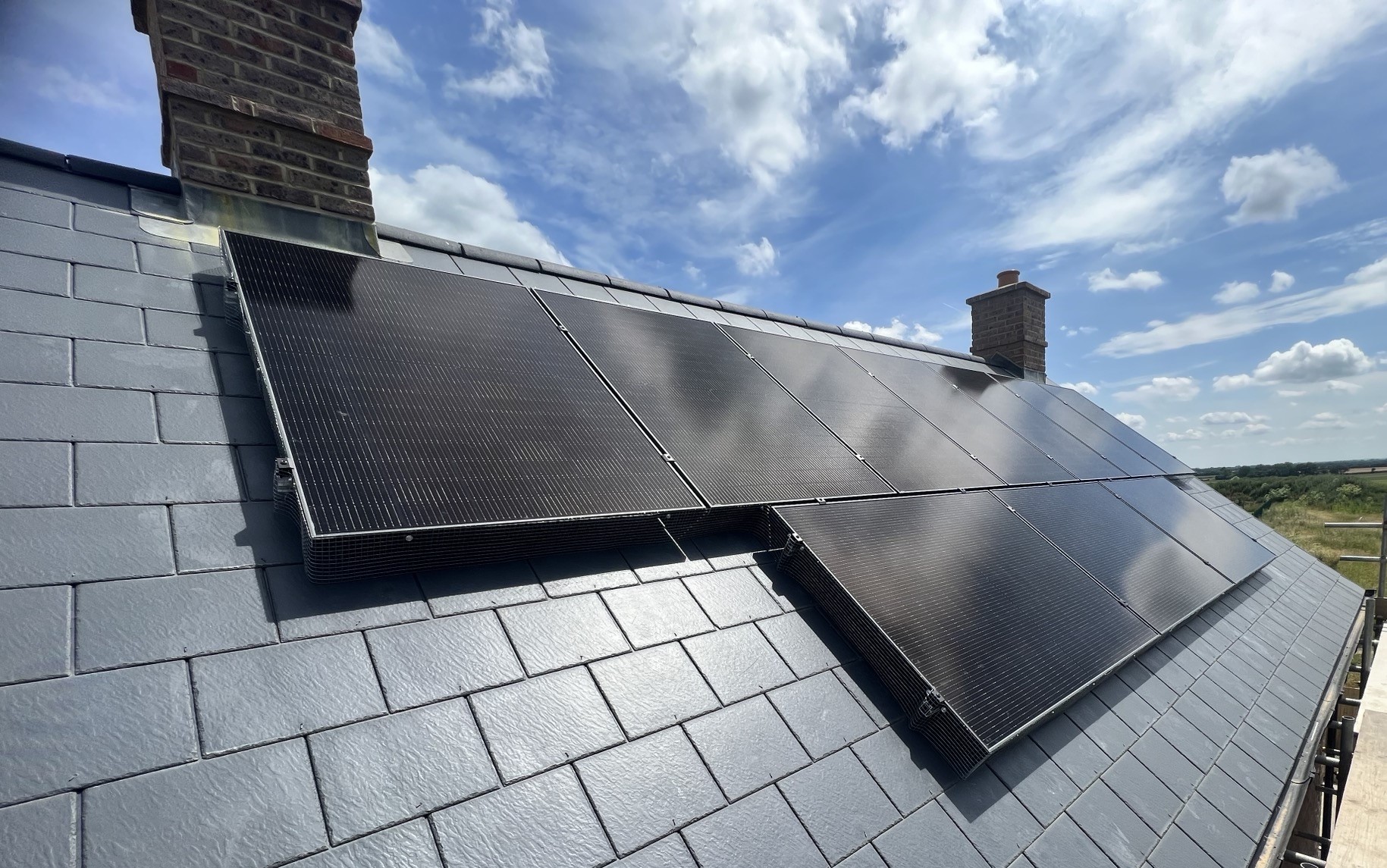
While some of the technologies explored in this article are still experimental, solar photovoltaic (PV) panels are an established and widely used way to generate electricity. Rather than relying on unusual chemical reactions or capturing small amounts of energy from movement, solar panels use photovoltaic cells to convert daylight directly into electrical energy.
One of the main advantages of solar PV is its versatility. Systems can be installed on suitable residential rooftops, commercial buildings and larger ground-mounted sites, making solar power a practical option for a wide range of properties. For homeowners and businesses looking to reduce their reliance on electricity from the grid, it offers a proven way to generate their own electricity on-site.
Solar panels can also be combined with battery storage. A solar battery stores surplus electricity generated during the day so it can be used later, such as in the evening when the panels are no longer producing electricity. This can help households and businesses make greater use of their own solar generation, depending on their energy consumption and system configuration.
However, solar generation is not constant. The amount of electricity a system produces varies with daylight hours, weather conditions, shading, panel orientation, roof pitch and the overall system design. Output is generally higher during sunnier periods and lower during winter or heavily overcast weather. A suitably designed system takes these factors into account when estimating annual generation and potential savings.
Although emerging technologies may play a greater role in the future of energy generation, solar PV already offers a practical and accessible solution for producing electricity at home and at work. For many property owners, combining solar panels with battery storage can provide an effective way to make better use of renewable electricity and reduce reliance on the grid.
Ready to Join the Solar Revolution?
Contact SolarTherm UK today for a free no obligation design and quote, tailored for your property, usage and future energy needs. No hard sell, just honest, expert advice – and the time you need to make an informed decision.
Your home. Your energy. Your future.
Frequently Asked Questions
Unusual methods of generating electricity include kinetic flooring that captures energy from footsteps, algae-based biofuels, experimental devices that harvest energy from raindrops, and biological fuel cells. While these technologies demonstrate innovative ways to harness energy, many are still developing or have limited commercial applications.
Yes. Researchers continue to develop new technologies that convert movement, heat, chemical energy and other natural processes into electricity. However, a technology’s ability to generate a small amount of electricity does not necessarily mean it can produce enough power to supply a home or business economically.
Researchers have developed experimental technologies that harvest electrical energy from falling raindrops. However, the amount of electricity produced by these systems remains a significant consideration, and rain-powered technology is not currently a mainstream replacement for conventional electricity generation.
Yes. Kinetic energy systems can convert movement into electrical energy. Examples include specialist flooring that captures energy from footsteps and stationary bikes that generate electricity while people pedal. These systems can be useful for demonstrations, events and selected applications, although their output is generally limited compared with conventional power generation.
Solar photovoltaic (PV) panels are an established option for generating electricity at home. They convert daylight into usable electricity and can be combined with battery storage to help households use more of their own solar generation. The amount of electricity produced depends on factors such as roof orientation, shading, weather and system size.
Solar PV is an established technology with a mature supply chain and widespread residential and commercial applications. Unlike many experimental generation methods, solar panels can be installed at scale on suitable rooftops and other sites. Battery storage can further improve how much of the electricity generated is used when it is needed.