Energy prices remain one of the biggest financial pressures for UK households and businesses. While the government has introduced several initiatives to bring costs down, the key question remains: are those measures enough to deliver long term affordability?
At SolarTherm UK, we work directly with homeowners and commercial clients across the South East, giving us real world insight into how policy translates into actual savings. The short answer? Progress has been made – but significant gaps still remain.
What Has the Government Done to Lower Energy Costs?
There has been a clear shift towards reducing reliance on fossil fuels and improving energy efficiency. Several major initiatives have been introduced:
Adjustments to Energy Levies
A portion of environmental and policy related charges has been removed from electricity bills and absorbed into general taxation. This has slightly reduced electricity costs for households.
The Warm Homes Plan
With funding exceeding £15 billion, this is one of the largest UK schemes aimed at improving home energy efficiency. However, eligibility criteria and rollout details are still unclear.
Expansion of the Boiler Upgrade Scheme
Grants of up to £9,000 are now available for households switching from gas, oil or LPG heating to heat pumps. This is particularly relevant for rural properties.
Warm Homes Discount Extension
Eligible households will continue receiving £150 annual support on energy bills through to 2031.
Support for Off Grid Homes
Additional funding has been allocated to households using heating oil, particularly following recent global price volatility.
Early Moves Away from Fossil Fuel Expansion
The decision to pause new North Sea drilling licences signals a longer term commitment to renewable energy.
SolarTherm UK Insight:
While these initiatives are positive, most provide short term relief or targeted support, rather than addressing the structural causes of high electricity prices.
Where Current Policy Falls Short
Despite these efforts, several critical issues remain unresolved:
The Electricity vs Gas Price Imbalance
Electricity is still significantly more expensive than gas. This discourages adoption of technologies like heat pumps and electric boilers and slows the transition to cleaner energy.
Limited Progress on Pricing Reform
The UK still uses a pricing model where electricity costs are heavily influenced by gas prices. This reduces the financial benefits of renewable energy.
Standing Charges Still a Concern
Although slightly reduced, standing charges remain disproportionately high – especially for low energy users.
Lack of Replacement for Previous Efficiency Schemes
With older schemes phased out, there is currently limited support for insulation upgrades – an essential step in reducing overall energy demand.
Delays in Major Programmes
Key initiatives like the Warm Homes Plan have yet to be fully implemented, creating uncertainty for homeowners and installers alike.
What Needs to Happen Next?
From both an industry and consumer perspective, several actions could have a meaningful impact:
Make Electricity More Affordable
Reducing costs tied to electricity – such as VAT and remaining levies – would help rebalance the market and encourage adoption of low carbon technologies.
Reform Energy Pricing
Decoupling electricity prices from gas would allow renewable energy to deliver its full cost saving potential.
Accelerate Renewable Deployment
Increasing solar, wind and battery storage capacity is essential to reducing reliance on gas fired power generation. At SolarTherm UK, we’re already seeing how solar installations can shield households from price volatility – especially when combined with battery storage.
Improve Energy Efficiency Nationwide
Better insulation and building upgrades are critical. Without them, even the most efficient heating systems will struggle to reduce bills.
Why Solar Is Already Part of the Solution
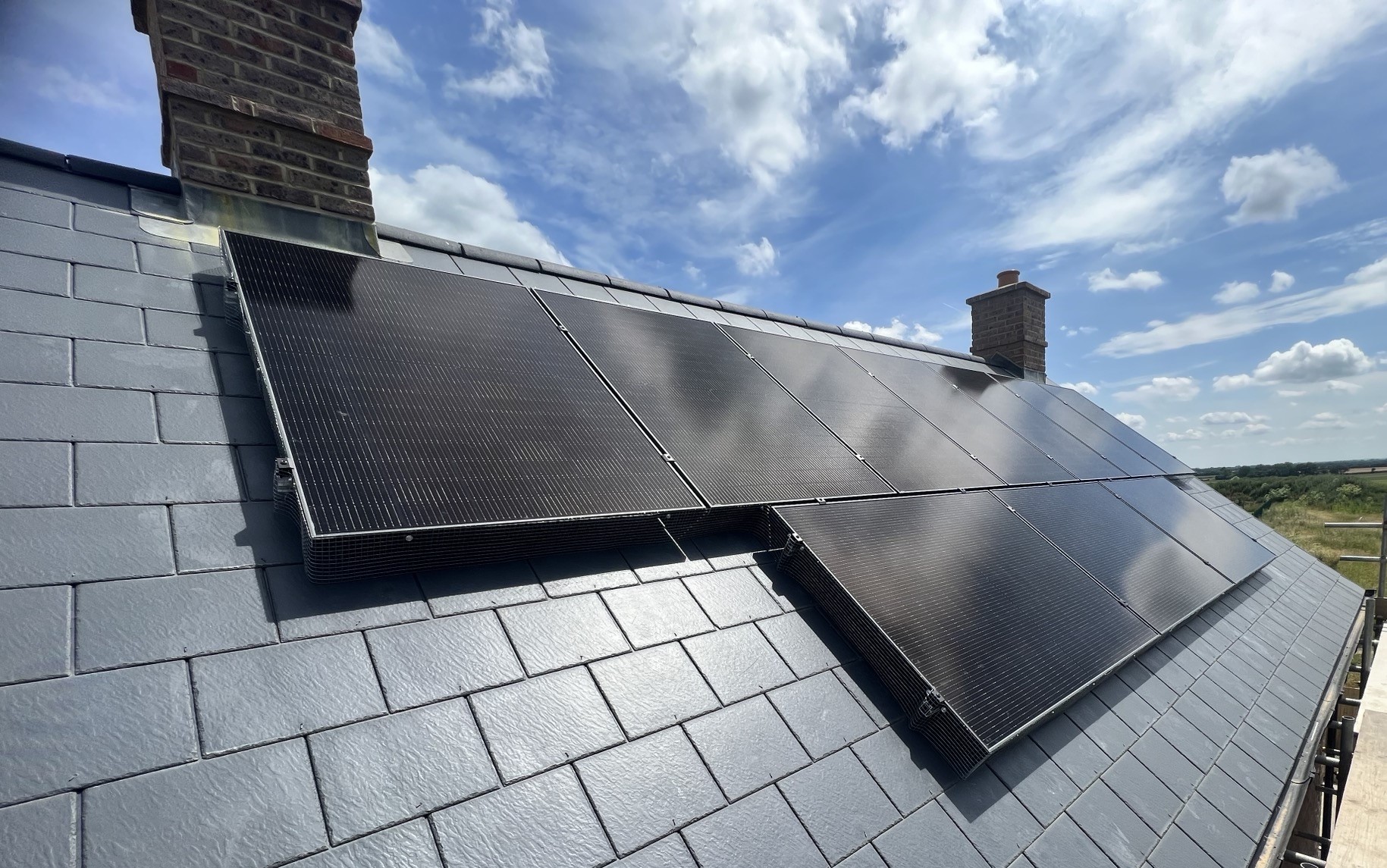
While policy evolves, solar energy offers an immediate and practical way to reduce electricity costs.
Based on our installation data across Essex and the South East:
- Many households can cut electricity bills by up to 80%
- Payback periods are becoming shorter as energy prices rise
- Battery systems allow users to maximise self-consumption and reduce grid reliance
SolarTherm UK provides tailored system design, installation and ongoing support – ensuring customers achieve long term savings and energy independence.
Expert View: A Transition Still in Progress
The UK is clearly moving in the right direction, but the transition is incomplete. Without deeper structural reform and faster rollout of renewables, energy bills are unlikely to fall significantly in the short term.
From our position within the industry, one thing is clear:
Households that take control of their energy – through solar and efficiency improvements – are seeing the greatest financial benefit today.
Contact SolarTherm UK today for a free, no obligation quote and design, tailored to your property, usage and future energy needs. No hard sell, just honest, expert advice – and the time you need to make an informed decision.
Your home. Your energy. Your future.
FAQs
Will energy bills go down in 2026?
Prices may fluctuate, but without major structural changes, significant reductions are unlikely in the short term.
What is the biggest factor keeping bills high?
The main issue is that electricity prices are still linked to gas, making renewable energy less impactful on pricing than it should be.
Is solar worth it in the UK?
Yes. With current energy prices, solar panels can deliver strong long-term savings, particularly when paired with battery storage.
Are government grants available for solar panels?
Direct grants are limited, but schemes like the Smart Export Guarantee (SEG) allow homeowners to earn money from excess energy.
How can I reduce my energy bills now?
The most effective steps include installing solar panels, improving insulation, and reducing reliance on grid electricity.