The Complete Guide to Creating an Energy Efficient Home
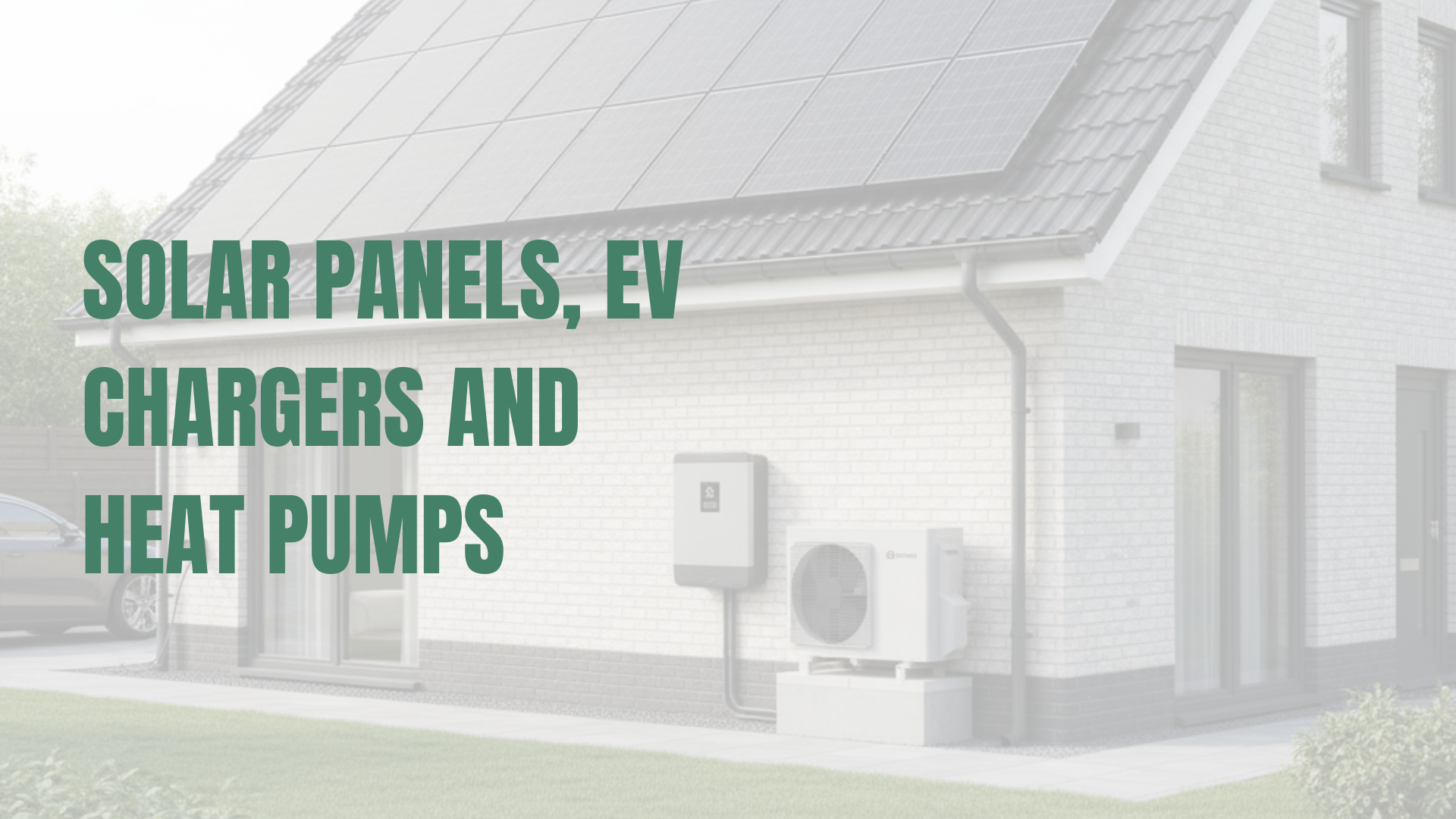
As energy prices continue to fluctuate and more UK homeowners make the switch to electric vehicles and low carbon heating, many are looking beyond a standalone solar PV system. Combining solar panels, EV charging and air source heat pumps creates an integrated renewable energy solution that can power your home, charge your vehicle and heat your property using clean, self-generated electricity.
When designed correctly, these technologies work together to maximise the amount of renewable energy you use at home, reduce reliance on the National Grid and lower your long term energy bills.
At SolarTherm UK, we’ve helped homeowners across Essex, Kent, Suffolk, Hertfordshire and the wider South East and East Anglia design bespoke renewable energy systems that suit their homes, lifestyles and future energy needs. Whether you’re considering your first solar PV installation or planning a complete home energy upgrade, this guide explains how solar panels, solar EV charging, air source heat pumps and battery storage work together to deliver greater energy independence and long term savings.
Why Combine Solar Panels, EV Chargers and Heat Pumps
Each of these technologies offers impressive benefits on its own, but together they create a highly efficient home energy ecosystem.
Solar panels generate clean electricity during daylight hours. That electricity can be used to power your home, charge your electric vehicle, run an air source heat pump or be stored in a solar battery for use later in the day when you need it most. Rather than relying heavily on electricity imported from the grid, you’re making the most of the renewable energy generated on your own roof.
This integrated approach helps homeowners:
- Reduce household energy bills
- Lower EV charging costs
- Cut heating costs
- Increase self-consumption of solar energy
- Reduce carbon emissions
- Improve energy independence
- Protect against rising electricity prices
- Increase the return on their investment
As more households electrify their heating and transport, combining renewable technologies is becoming one of the smartest long term investments available.
How Do Solar Panels Work?
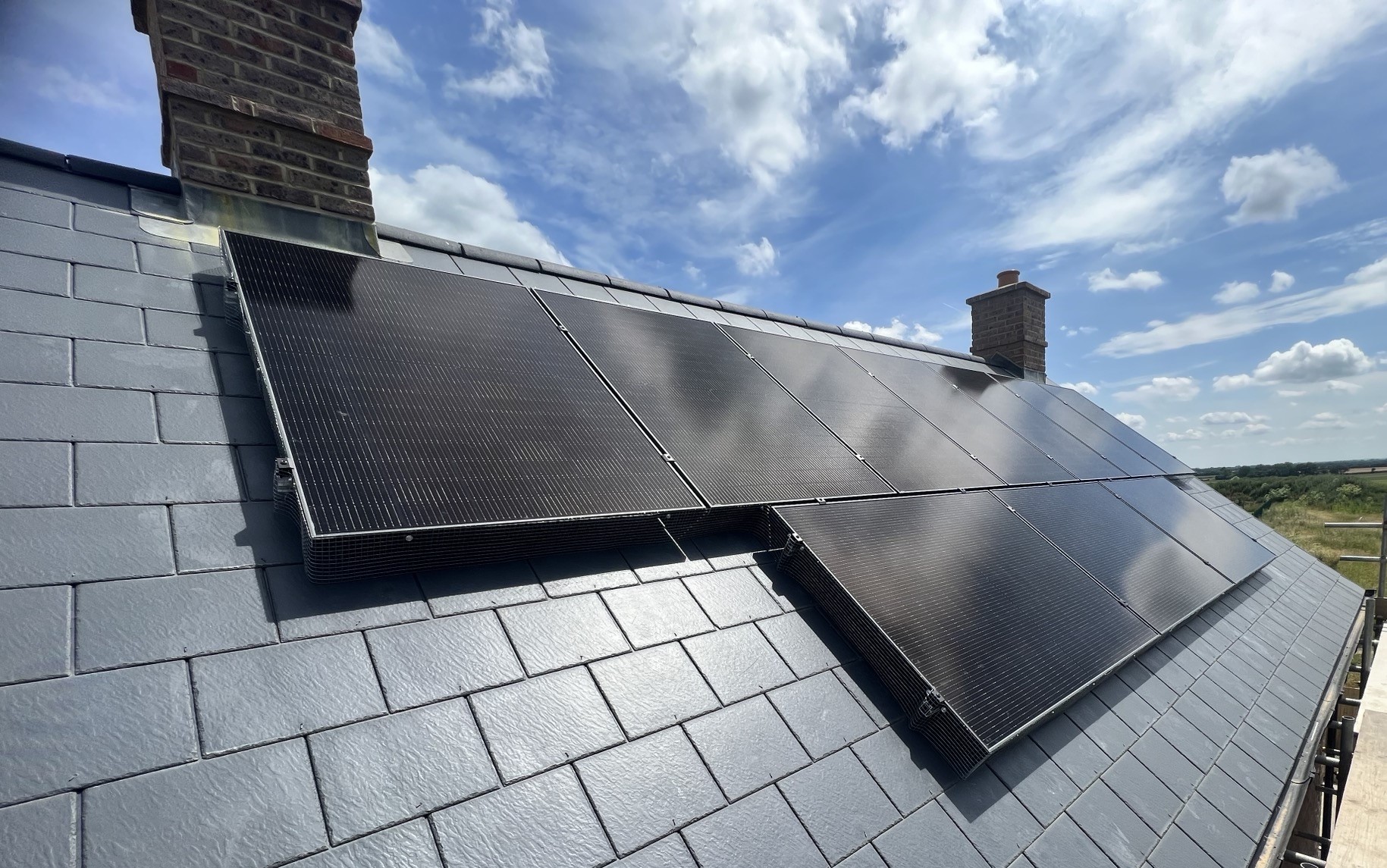
Solar panels convert sunlight into electricity using photovoltaic (PV) cells. During daylight hours, they generate electricity that is used to power your home before any surplus energy is either exported to the National Grid or stored in a battery.
A typical residential solar PV system includes:
- Solar PV panels
- Inverter or hybrid inverter
- Optional battery storage
- Smart monitoring software
The amount of electricity generated depends on factors including roof orientation, pitch, shading, system size and the time of year. Even on cloudy days, modern solar panels continue generating electricity, making them well suited to the UK’s climate.
Every SolarTherm UK installation is individually designed using detailed generation modelling to maximise performance and long term savings.
What Is Solar EV Charging?
Solar EV charging is the process of using electricity generated by your solar panels to charge your electric vehicle instead of relying entirely on electricity from the National Grid.
A typical system consists of:
- Solar PV panels
- Home EV charger
- Inverter
- Optional battery storage
- Smart energy monitoring
During the day, your home uses solar electricity first. If your solar panels are producing more electricity than your home requires, your solar charger can automatically divert the surplus energy into your electric vehicle.
Rather than exporting surplus electricity back to the grid, you’re using more of the energy you’ve generated yourself, improving the overall return on your solar investment.
How Does a Solar Charger Work?
A smart solar charger works alongside your home’s electrical system to monitor energy production and household demand.
The process is straightforward:
- Solar panels generate electricity
- Your home uses the electricity it needs
- Any excess electricity becomes available
- Your EV charger detects surplus solar generation
- The charger automatically directs that electricity into your vehicle
Moder smart chargers continuously adjust charging speeds depending on available solar generation. On bright sunny days, charging speeds increase. If clouds reduce generation or your household electricity demand rises, charging automatically slows to avoid importing expensive electricity from the grid.
Many smart chargers also allow homeowners to combine solar charging with off peak electricity tariffs, further reducing charging costs.
How Do Air Source Heat Pumps Work?
An air source heat pump heats your home by extracting heat energy from the outside air, even during colder weather, and transferring it into your home’s heating and hot water system.
Unlike traditional gas or oil boilers, heat pumps don’t burn fuel. Instead, they use electricity to move heat from outside to inside, making them one of the most energy efficient heating systems available.
As heat pumps require electricity to operate, they’re an ideal partner for solar panels. The more electricity your solar PV system generates, the less electricity your heat pump needs to import from the grid.
This combination helps reduce both heating costs and carbon emissions while improving your home’s overall energy efficiency.
Why Pair Solar Panels with a Heat Pump?
Installing heat pumps and solar panels together allows homeowners to generate renewable electricity and use it to power one of the largest energy demands within the home – heating.
The benefits include:
- Lower heating costs
- Greater use of self-generated electricity
- Reduced dependence on fossil fuels
- Lower household carbon emissions
- Improved energy efficiency
- Greater protection against future energy price rises
For many homeowners planning major home improvements, installing both technologies together provides excellent long term value while helping future proof the property.
Should You Add Battery Storage?
Although battery storage isn’t essential, it significantly increases the amount of solar electricity you can use yourself. Without a battery, electricity generated during the day must be used immediately or exported to the grid for payment via the Smart Export Guarantee (SEG).
With battery storage, surplus daytime generation can be stored and used later to:
- Charge your EV overnight
- Run your heat pump during the evening
- Power household appliances after sunset
- Reduce electricity imported during peak rate periods
Battery storage is particularly beneficial for homeowners who are out of the house during the day and return home in the evening when electricity demand is highest.
Can Solar Panels Power Both an EV Charger and Heat Pump?
Yes. A properly designed solar PV system can generate electricity for your household appliances, electric vehicle and air source heat pump. The exact amount of electricity available depends on factors including:
- Solar system size
- Roof orientation and pitch
- Time of year
- Household electricity usage
- Heating demand
- Vehicle mileage
- Battery storage capacity
Many homeowners won’t generate enough electricity to cover every kilowatt hour (kWh) throughout winter, but over the course of a year, solar panels can provide a significant proportion of the electricity needed for both home heating and vehicle charging.
At SolarTherm UK, every system is designed around your property’s individual energy requirements rather than using a one size fits all approach.
💡Top tip: if you plan on adding a heat pump or EV charger to your property after having your solar panels installed, let your installer know so they can plan your system for future expansion to save on costs further down the line.
Smart Technology Makes Everything Work Together
Modern renewable energy systems are far more intelligent than ever before. Smart technology allows homeowners to monitor energy production and automatically prioritise where electricity is used.
Many systems include features such as:
- Solar surplus EV charging
- Smartphone app control
- Real time monitoring
- Battery optimisation
- Heat pump scheduling
- Off peak tariff integration
- Energy usage reports
These features help maximise self-consumption and ensure every unit of electricity generated delivers the greatest possible value.
Is It Worth Installing Solar Panels, EV Chargers and Heat Pumps?
For many UK homeowners, absolutely. Electric vehicles and heat pumps both increase household electricity demand. By generating your own renewable electricity, you reduce the cost of powering both.
Although every home is different, combining these technologies can deliver:
- Lower annual energy bills
- Reduced vehicle running costs
- Lower heating costs
- Improved energy efficiency
- Greater energy independence
- Reduced carbon footprint
- Increased property appeal
- Long term financial savings
The more renewable electricity you generate and use yourself, the greater the overall return on your investment.
Can Existing Solar Panels Be Upgraded?
Yes, if you already have solar panels installed, it’s usually straightforward to upgrade your system by adding more panels, a smart EV charger, battery storage, a hybrid inverter, an air source heat pump or advanced monitoring software.
SolarTherm UK can assess your existing installation and recommend the most efficient upgrade path based on your property’s current and future energy requirements.
Choosing the Right Renewable Energy System
No two homes are exactly alike, which is why every SolarTherm UK system is individually designed. When creating your renewable energy solution, we consider:
- Household electricity usage
- Annual vehicle mileage
- Current heating system
- Future heating requirements
- Roof size, pitch and orientation
- Battery storage requirements
- Budget
- Long term return on investment
- Future energy needs
Our whole home approach ensures your solar panels, EV charger, battery storage and heat pump all work together efficiently to maximise performance and long term savings.
Why Choose SolarTherm UK?
Choosing the right installer is just as important as choosing the right equipment. With over 16 years of experience, SolarTherm UK has built a reputation for delivering high quality renewable energy installations across Essex, Kent, Suffolk, Hertfordshire and the surrounding South East and East Anglia. Our experienced in-house team designs every system around the individual needs of the homeowner, ensuring maximum efficiency, performance and value.
When you choose SolarTherm UK, you benefit from:
- MCS certified solar PV installations
- NICEIC approved electrical work
- Experienced in-house design and installation teams
- Premium solar panels, inverters and battery storage systems
- Professional EV charger installations
- Expert advice on pairing your heat pump with solar panels
- Honest, transparent recommendations with no high pressure sales
- Comprehensive aftercare and ongoing customer support
Our expertise allows homeowners to maximise solar generation, improve self-consumption and create integrated renewable energy systems that continue delivering savings for decades.
Whether you’re installing solar panels for the first time, purchasing an electric vehicle, considering an air source heat pump or planning a complete home energy upgrade, SolarTherm UK can design a solution tailored to your property, budget and goals.
Contact us today for a free, no obligation quote and design, tailored to your property, usage and future energy needs. No hard sell, just honest, expert advice – and the time you need to make an informed decision.
Your home. Your energy. Your future.
Frequently Asked Questions
Yes. Solar panels can generate electricity that is used to charge your EV through a compatible smart solar charger, helping reduce your vehicle’s running costs.
Yes. Solar panels can provide some or all of the electricity needed to run an air source heat pump, reducing heating costs and increasing the use of renewable energy within your home.
No, but battery storage allows you to store excess daytime solar generation and use it later for EV charging, home heating or household electricity, improving self-consumption and reducing grid imports.
For many homeowners, yes. Combining these technologies maximises the use of renewable electricity, reduces energy bills and creates a highly efficient, future-ready home.
In most cases, yes. Existing solar PV systems can often be upgraded with a smart EV charger, battery storage or an air source heat pump, depending on your current installation and electrical capacity.