For millions of homeowners across the UK, July 2026 will bring another financial blow.
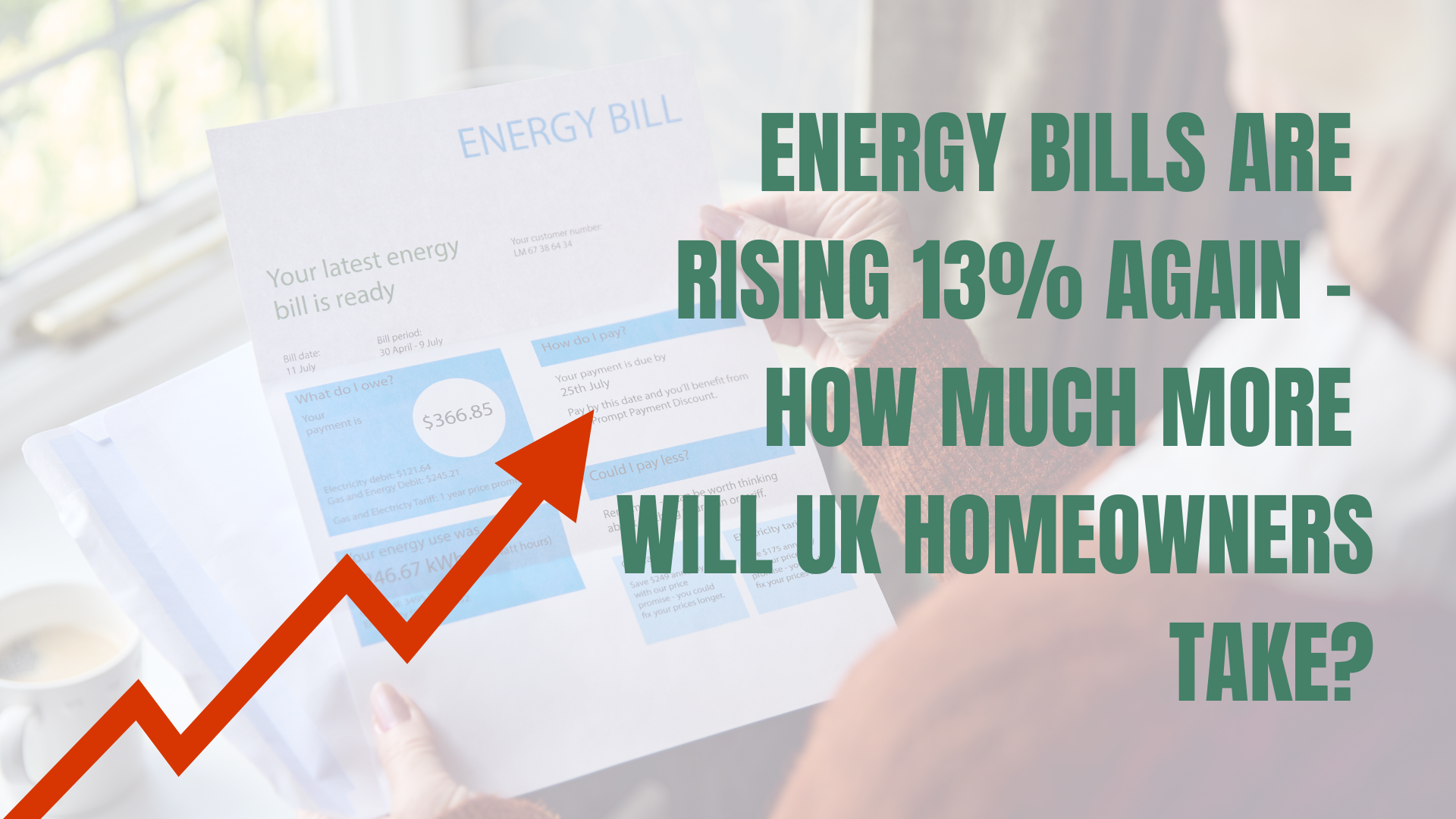
Ofgem has confirmed that the Energy Price Cap will rise by 13% from July, puching the average annual household energy bill up to £1,862 per year.
That’s an increase of £221 a year – or roughly £18 more every month – just to keep the lights on and the heating running.
And for larger homes with higher usage? Bills could easily climb past £2,300 annually.
At SolarTherm UK, we believe this latest rise should be a serious wake up call for homeowners across the South East and East Anglia. Because the truth is becoming impossible to ignore:
The UK Energy Market Is Broken
Once again, British households are paying the price for global events completely outside of their control.
According to the BBC and Ofgem, wholesale energy costs have surged due to instability in the Middle East and disruption to global oil and gas supply routes. The UK remains heavily dependent on gas powered electricity generation, meaning international conflict immediately impacts domestic energy bills. This is exactly why energy bills continue to rise year after year.
Global wars, gas shortages, wholesale price spikes, supplier costs, network charges, standing charges, inflation, grid upgrades, all these factors affect the consumer and how much they pay for their energy.
The “Price Cap” Does NOT Protect You
Many people mistakenly believe the Energy Price Cap keeps bills low.
It doesn’t.
The Ofgem cap only limits the maximum rate suppliers can charge per unit of energy – it does not cap your total bill. The more energy you use, the more you pay.
Ofgem’s own figures show:
- Gas prices are rising by around 24%
- Electricity prices are increasing by around 5%
- Standing charges remain stubbornly high
For homeowners already struggling with mortgages, food costs and household expenses, this latest rise could push budgets to breaking point.
Meanwhile, Solar Households Are Fighting Back
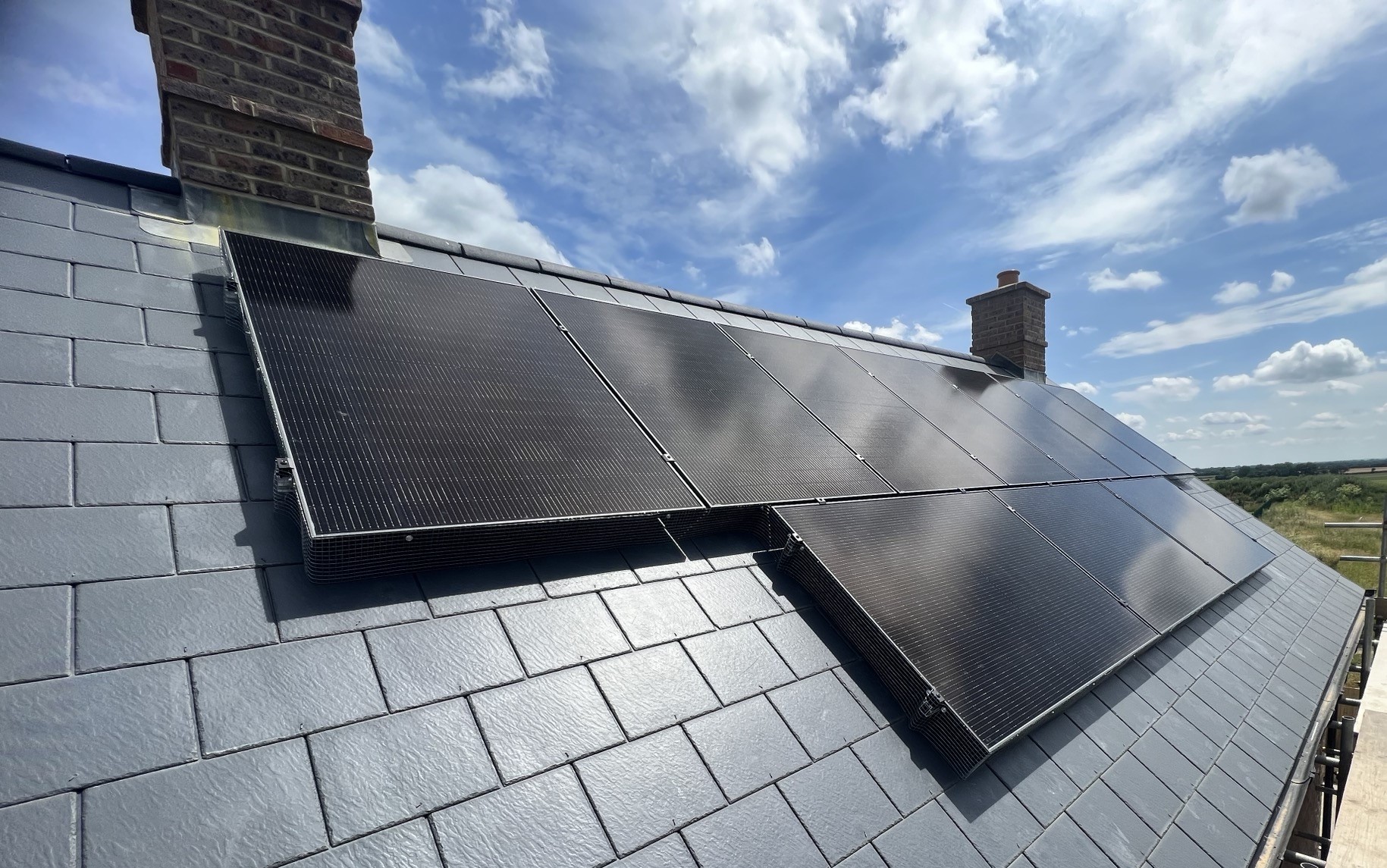
While many families face another year of stress and rising bills, solar homeowners are dramatically reducing their reliance on expensive grid electricity. Instead of buying electricity at ever increasing prices, solar allows homeowners to generate their own power directly from their roof.
That means:
- Lower electricity bills
- Protection from future price rises
- Reduced reliance on energy suppliers
- Greater energy independence
- Long term savings
- Lower carbon emissions
- Increased property appeal
Add in battery storage, and homeowners can store surplus electricity generated during the day for use in the evening – often when grid electricity is at its most expensive.
Every Month You Delay Solar Is Costing You Money
One of the biggest mistakes homeowners make is waiting. Many people keep hoping energy prices will “go back to normal”, but the reality is energy prices have remained significantly higher since the energy crisis began in 2022. Even after temporary drops, the long term trend continues upward. At some point, homeowners need to ask themselves:
“How many more price rises are acceptable?”
Because every month spent paying inflated energy bills is money disappearing forever. Solar, by comparison, is an investment into your own home – not another payment to an energy company.
Why More Homeowners Across the South East and East Anglia Are Switching to Solar
At SolarTherm UK, we’re seeing growing demand from homeowners who are simply fed up with rising bills and uncertainty.
Many customers tell us the same thing:
“We wish we’d done it sooner.”
Modern solar systems are now far more efficient, smarter and more affordable than many people realise. Combined with battery storage and smart energy management, homeowners can significantly reduce grid dependence and take back control of their energy costs.
Why Choose SolarTherm UK?
At SolarTherm UK, we specialise in helping homeowner across Essex, Kent, Suffolk, Hertfordshire and the wider South East and East Anglia reduce their energy costs with high quality solar PV installations.
Our team focuses on:
- Tailored solar system design
- High performance solar panels
- Battery storage solutions
- Honest, expert advice
- Professional MCS certified installation
- Long term customer support and aftercare
We understand the UK energy market, current Ofgem regulations and the real world challenges homeowners are facing with rising energy prices. Our goal is simple:
Help homeowners stop overpaying for electricity.
Ready to Take Back Control of Your Energy Future?
Contact SolarTherm UK today for a free, no obligation quote and design, tailored to your property, usage and future energy needs. No hard sell, just honest, expert advice – and the time you need to make an informed decision.
Your home. Your energy. Your future.
Frequently Asked Questions
Why is the Energy Price Cap increasing in July 2026?
Ofgem says the increase is mainly due to rising wholesale gas prices linked to global instability and disruption to energy supply routes.
Does the Energy Price Cap limit my total bill?
No. The cap only limits unit rates and standing charges. Your total bill depends on how much gas and electricity you use.
Can solar panels reduce my electricity bills?
Yes. Solar panels generate electricity for your home, reducing the amount you need to buy from the grid.
Are solar panels worth it in the UK?
Absolutely. Even with the UK climate, modern solar systems can generate significant savings over time — especially as electricity prices continue to rise.
Can battery storage help during high energy prices?
Yes. Battery storage allows you to store unused solar electricity generated during the day and use it later, helping reduce expensive peak-time electricity usage.